


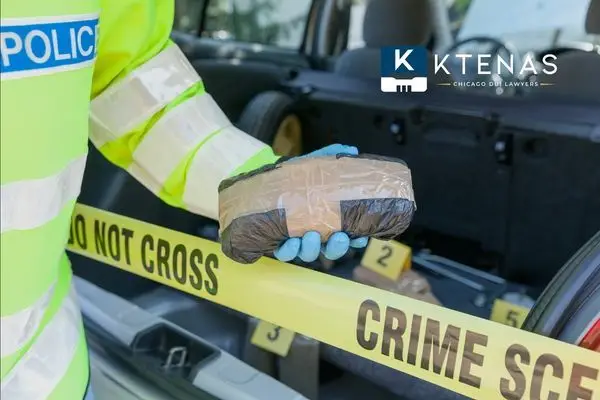
A drug charge in Cook County can mean a court date you barely remember, or it can mean a Class X felony with a mandatory minimum. Which one you face usually comes down to two things: the weight the State says it found, and whether it can show you meant to sell rather than use.
Both of those are arguable. Weight gets miscounted. Field tests get read wrong. And intent is inferred from circumstance far more often than it is proved.
All three of our attorneys are former Illinois prosecutors. We spent years deciding which drug cases to charge and how hard to push them, which is exactly the question your prosecutor is asking right now. If your case also involves a weapon, that changes the exposure, and our gun charge defense page explains how.
The search is usually the case. Most drug prosecutions start with a stop, a search, or a warrant. If any of those was unlawful, what the officers found may never reach a courtroom.
Illinois sorts drug offenses by substance, weight, and alleged purpose. The label on your paperwork matters more than most people realize, because it sets the sentencing range before anyone argues about the facts.
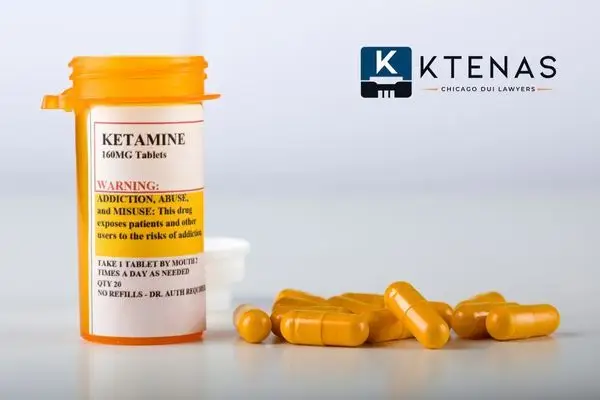
Adults 21 and over can legally possess limited amounts. Illinois residents may hold up to 30 grams of cannabis flower, 500 milligrams of THC in a product, or 5 grams of concentrate under the Cannabis Regulation and Tax Act (opens in a new tab).
Go over those amounts and it is a charge again. Sell it without a license and it is a charge no matter the quantity.
We still see people arrested for amounts that sit close to the line. Where you fall matters, and so does how the weight was measured.
A drug case is a chain. It is only as strong as its weakest link, and we test every one of them.
Most felony charges leave room for probation. Class X does not.
A Class X felony in Illinois carries 6 to 30 years in prison, and probation is not available, under 730 ILCS 5/5-4.5-25 (opens in a new tab).
That is why weight arguments matter so much. Moving a case below a threshold can be the difference between a sentence a judge can shape and one the statute decides for them.

Not every drug case ends in a trial or a plea. Illinois has routes that can leave you without a conviction on your record.
Eligibility usually turns on your history and the class of charge rather than on how sympathetic your case looks. Options can include:
We will tell you honestly which of these is realistic for your case at the first conversation.
Drug convictions carry immigration consequences, and some of them apply even when there is no jail time and even when the case ends in what looks like a good deal.
Tell us about your status at the first meeting. It changes which outcomes we should be aiming for, and we would rather know at the start than after a plea.
Chicago felony drug cases are generally heard downtown, while misdemeanor and preliminary matters often start at a branch court or the district covering the arrest.
We appear across Cook County, including:
If you are unsure which one covers your arrest address, our Cook County court districts guide sorts it out.
You will speak to an attorney, not an intake screener.
We will ask what you were charged with, what happened during the stop, and when your next court date is. Then you get a straight read on what the charge carries and what is realistically arguable.
If we are not the right firm for your case, we will say so.
It depends on why you were stopped, what the officer saw or smelled, and whether you agreed to the search. Search issues are raised in a pretrial motion, and they are often the strongest part of a drug defense. Bring us everything you remember about how the stop unfolded.
Yes, and this happens often when several people share a car or a home. The State would have to prove constructive possession, meaning you knew the drugs were there and had control over them. Being nearby is not the same thing.
Intent to deliver is the more serious charge, and it is usually argued from packaging, scales, cash, or phone messages rather than an actual sale. Because it rests on inference, it is frequently contestable.
Illinois residents 21 and over may possess up to 30 grams of flower, 500 milligrams of THC in a product, or 5 grams of concentrate. Amounts above that can be charged, and selling without a license is a charge at any quantity.
It can. Cases end when evidence is suppressed, when the State cannot prove possession, or when a client completes a diversion program. Which route fits depends on the facts, the charge class, and your record.
It can, sometimes even without jail time. Tell your attorney about your status at the first meeting so it shapes the strategy from the start rather than after a plea is entered.
A weapons count filed alongside a drug charge raises your exposure significantly and changes how both cases should be handled. Our gun charge defense page explains how Illinois treats those charges.
Speak with a lawyer first. You can decline to answer questions without your attorney present, and doing so is not an admission of anything.
The evidence questions in a drug case start early, and motions run on the court’s schedule rather than yours. The sooner we see the paperwork, the more we can do with it.
Tell us what you are charged with and how the search happened. We will explain what the State has to prove and where these cases usually come apart.
Call Ktenas Law at (312) 800-1626 or request a case review. Conversations with us are confidential.