


How Will a Criminal Record Affect Finding a Job in Illinois?
 10/11/2026
Receiving traffic tickets is common, but many drivers are unsure how to prepare for traffic court. Even minor traffic violations can affect your driving record, increase insurance rates, or lead to license suspensions that impact your driver’s license.
In Illinois, traffic cases are governed by state traffic law, and the outcome of a court appearance often depends on preparation. Traffic courts handle everything from minor civil traffic matters to more serious misdemeanor traffic cases, including charges such as reckless driving.
Preparing before your court date helps you understand the charge, organize evidence, and avoid mistakes that could hurt your case. In some situations, consulting with a Chicago traffic lawyer can also help drivers better understand their legal options and the potential consequences of a traffic violation.
Start by carefully reviewing your traffic citation. The ticket lists the alleged traffic offense, the location of the violation, and your scheduled court date.
Make sure the information on the ticket is accurate. Check the time, location, and description of the traffic violation. Errors involving vehicle information or the alleged offense may become relevant later.
You should also confirm where your case will be heard. In the Chicago metropolitan area, traffic matters may take place in downtown courthouses, the Justice Building, or another local court facility.
Some tickets involve direct interaction with police officers, while others come from automated systems such as red light camera enforcement. Knowing how the ticket was issued can help you understand how the case may proceed.

After reviewing the ticket, take time to understand the specific traffic offense listed. Some violations are minor civil traffic matters that typically involve fines and court costs, while others are more serious.
For example, charges like reckless driving may be classified as misdemeanor traffic cases and can appear on your criminal record. In these situations, the case may be handled in criminal court rather than standard traffic court.
Certain violations can also affect your driver’s license status. Actions taken by the Secretary of State or the Department of Driver Services may result in points on your driving record or a driving privileges suspension.
Understanding the potential consequences helps you decide how seriously to prepare for your case.
Collecting supporting information before your court date can help you present a clearer explanation of what happened.
Helpful materials may include photographs of the location, witness statements, or video footage showing the traffic conditions. Drivers may also use digital evidence or other evidence in digital format when explaining their side of the situation.
Courts sometimes require specific procedures for submitting materials. Evidence may need to be filed through an evidence submission system or through Judiciary Electronic Document Submission(opens in a new tab), depending on the court’s filing process.
Organizing these case-related documents in advance helps ensure you are ready when your case is called.
Before your court appearance, consider whether you will handle the case yourself or consult a traffic attorney.
Many drivers choose to represent themselves in Court for minor violations. However, more serious charges or cases involving potential license suspensions may benefit from guidance from a Chicago criminal defense attorney.
Preparing your response to the charge is sometimes referred to as pleading preparation. Some cases may also qualify for municipal case resolution, where the matter is resolved through fines, traffic school, or other administrative options.
If you decide to seek legal advice, organizations like the Illinois State Bar Association(opens in a new tab) can help you find qualified legal professionals.

Arriving prepared on the day of your court appearance can make the process less stressful. Most courthouses have court security procedures that require visitors to pass through metal detectors before entering the building. Allow extra time for these security procedures, especially at busy downtown courthouses.
Bring a valid picture identification and any case-related documents you plan to use in court. Some courthouses may also require you to check in with the court clerk or visit a records counter before your case is called.
Traffic courts are typically staffed by associate judges who oversee daily proceedings. Court staff, the court administrator, and other personnel help manage the courtroom schedule and assist with administrative matters during the day.
How you present yourself during your court appearance can influence how the court views your case. Most courts expect visitors to follow a basic dress code, which usually means wearing neat, respectful clothing.
When your case is called, address the judge politely and respond clearly to questions. Keep your explanation brief and focused on the facts of the situation. Avoid interrupting the judge, court staff, or other parties involved in the case.
Some courts may also allow appearances through video conference in certain circumstances. If you require reasonable accommodations for accessibility or other needs, contact the court in advance so arrangements can be made.
Traffic court cases can end in several ways depending on the facts of the violation and the judge’s decision.
Common outcomes include:
In some situations, courts may allow payment arrangements if the fine cannot be paid immediately. Many courthouses also provide services such as a traffic self-service kiosk or a traffic virtual public counter, where drivers can resolve certain ticket matters.
Payment methods may include credit card transactions, depending on the court’s payment system.
Traffic violations can affect more than the outcome of your court case. The result may be reported to the Secretary of State, who maintains your official driving record.
Multiple violations can increase insurance rates, affect eligibility under graduated driver’s licensing rules for younger drivers, and lead to license suspensions or other restrictions on your driver’s license.
More serious offenses, including those involving impaired driving, may require installation of a breath alcohol ignition interlock device or other monitoring measures to restore limited driving privileges.

Preparing for traffic court helps you understand the charge, gather the right information, and approach your court appearance with confidence. Reviewing your traffic citation, organizing evidence, and knowing what to expect can make a meaningful difference in how your case is handled and how it impacts your driving record.
If you are facing serious traffic violations, possible license suspensions, or charges that could affect your driver’s license, taking action early is critical. The right traffic ticket defense guidance can help you protect your record, your driving privileges, and your future.
Call Chicago DUI Lawyers at (312) 800-1626 to discuss your situation and get clear direction before your court date. A proactive approach today can help you avoid bigger consequences tomorrow.
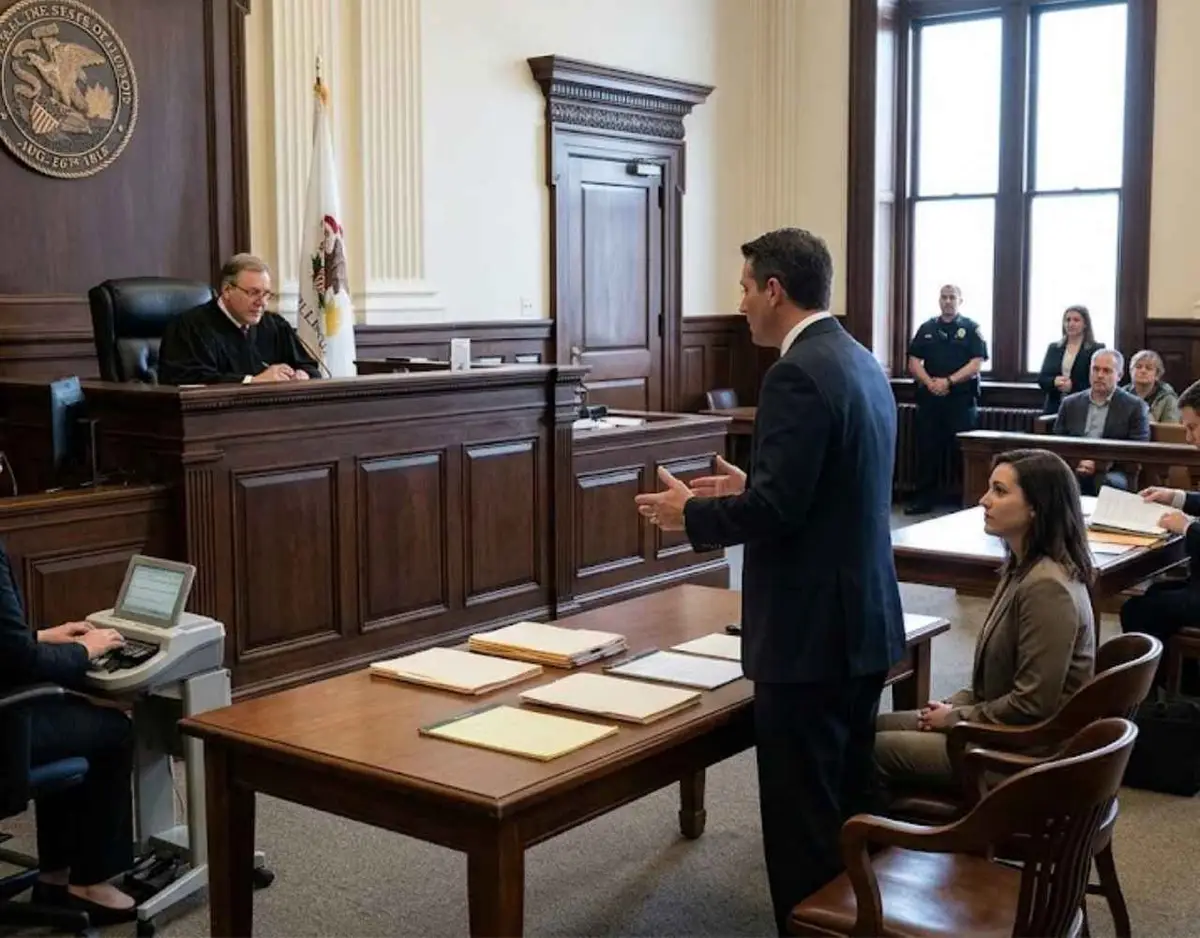
The traffic court in Illinois handles cases involving traffic tickets, traffic violations, and other driving-related offenses. When you receive a traffic citation, the ticket usually lists your required court date and the courthouse where your case will be heard. During your court appearance, a judge will review the citation, hear testimony from the officer if necessary, and allow you to present your explanation or evidence. Depending on the case, the court may dismiss the ticket, impose fines and court costs, order traffic school, or assign other penalties.
The cost of traffic court in Illinois depends on the specific traffic offense and the outcome of the case. Drivers may be responsible for fines, court costs, and sometimes additional filing fees if documents or motions are submitted during the filing process. Some courts also allow payment arrangements or payment through systems such as a traffic self-service kiosk or online payment portal. If a case results in required classes, such as traffic safety school, those programs may have additional costs.
In many cases, Illinois courts may place a driver on court supervision for a period of several months. The length of supervision often ranges from three to six months, though it may vary depending on the traffic violation and the judge’s decision. During supervision, the driver must comply with court conditions, which may include paying fines, completing traffic school, or avoiding additional traffic violations. If the driver successfully completes supervision, the offense typically does not appear as a conviction on the person’s driving record.