


If I Don't Take a Breathalyzer, Won't My License Be Suspended?
 10/15/2026

If you’re wondering how to get your license back after a DUI in Illinois, the most important thing to know is that you may have more options than you think. A DUI arrest can lead to a license suspension, but that does not mean your driving privileges are gone for good. In many cases, there are steps you can take to challenge the suspension or regain limited driving privileges while your case is pending. Speaking with a Chicago DUI Lawyer early on can help you understand which options are available in your specific situation.
In Illinois, DUI-related suspensions are handled through an administrative process overseen by the Illinois Secretary of State. This process is separate from your case in criminal court, which means your driver’s license can be affected even before your DUI charge is resolved. Because of this, acting quickly is critical. Understanding how Illinois DUI law works and what steps you can take early can make a major difference in how soon you are able to get your license back.
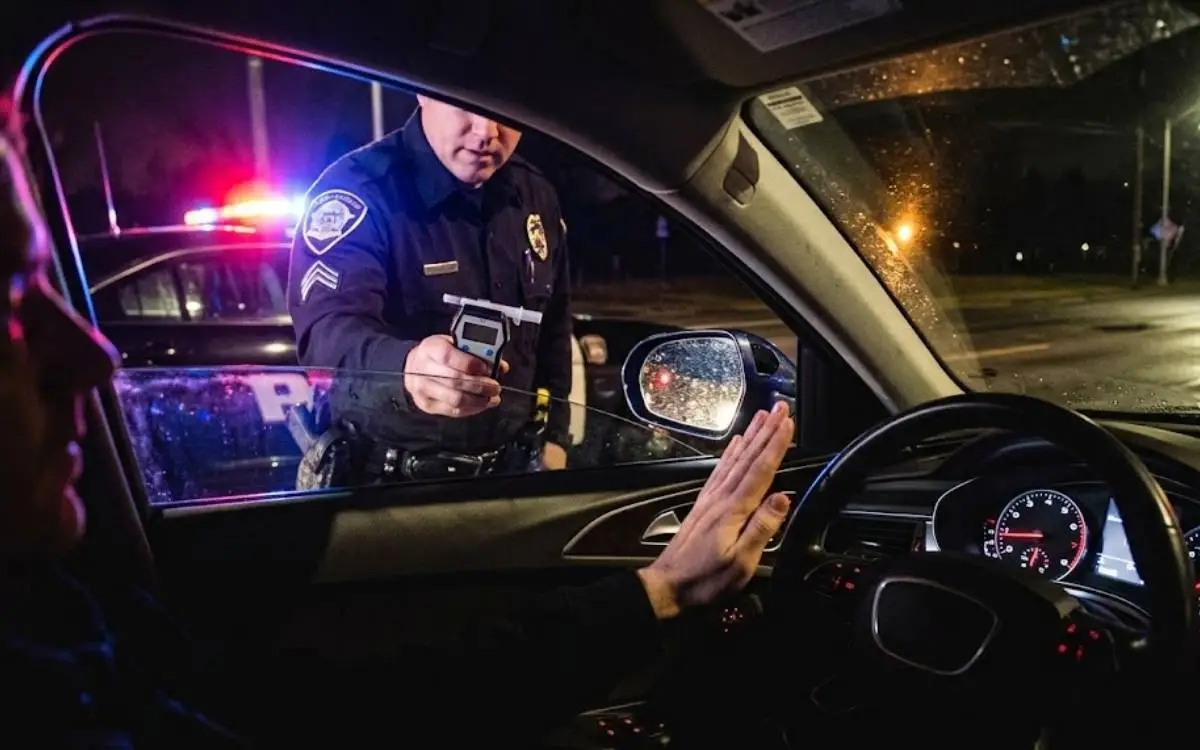
After a DUI arrest in Illinois, your license is not suspended immediately, but the process begins right away. The arresting police officer will complete a sworn report based on the traffic stop, often supported by observations, a police report, and any blood alcohol readings obtained from a breath-testing device or other chemical test.
This report triggers what is known as a statutory summary suspension, sometimes referred to as an administrative suspension. It is also commonly tied to a Chemical Test Suspension, which occurs if you either fail or refuse testing.
The suspension typically begins 46 days after your arrest, giving you a limited window to respond. Because this is part of an administrative process, it applies regardless of the outcome of your DUI case in court.
The length of the suspension depends on the circumstances, especially whether this is your first DUI offense and how you responded to testing.
For most first-time cases:
In more serious situations, a DUI can lead to license revocation, which requires a more formal driver’s license restoration process through the Secretary of State.
Timing is critical when dealing with a DUI-related suspension. From the moment of your arrest, deadlines begin to run, and missing them can limit your options for relief.
Taking action early may allow you to:
Because the system moves quickly, waiting too long can make it harder to recover your license. Understanding what happens next and what you can do about it is the first step toward getting back on the road.
Learn More: Driving with a Suspended License Ticket in Illinois
One of the most effective ways to get your driver’s license back after a DUI is by filing a Petition to Rescind the statutory summary suspension. This is a legal challenge that asks the court to review whether your suspension was valid in the first place.
A petition to rescind is filed in criminal court and focuses on whether the officer followed proper procedures during your arrest and investigation. The court will review evidence such as the traffic stop, testing procedures, and any documentation tied to the suspension.
If the court finds that something was done incorrectly, your suspension can be lifted, allowing you to regain your driving privileges much sooner than waiting it out.
Timing is critical when filing a petition to rescind. You must file within 90 days of your arrest, and once filed, the case moves into a formal hearing process.
At the hearing, the judge will consider whether the suspension should remain in place. This may include reviewing testimony, evidence, and whether proper legal standards were followed during the DUI investigation.
Because these hearings happen quickly, preparation is key. Missing deadlines or failing to present a strong argument can reduce your chances of success.
There are several legal grounds that may justify rescinding your suspension:
Each of these arguments focuses on whether the suspension was legally justified. If the court agrees with any of these points, your license may be reinstated.

If your suspension is not rescinded, you may still be able to drive legally through a Restricted Driving Permit or a Monitoring Device Driving Permit.
A Restricted Driving Permit allows limited driving for essential activities such as work, school, or medical appointments. These permits are issued through the Illinois Secretary of State and are part of the broader reinstatement process.
To qualify, you typically need to show that you have a legitimate need to drive and that granting limited privileges would not pose a risk to public safety.
For many drivers facing a first-time DUI suspension, Illinois offers a Monitoring Device Driving Permit. This permit allows broader driving privileges but requires the installation of an ignition interlock device in your vehicle.
This device, often referred to as a BAIID device, requires you to provide a breath sample before the vehicle will start. While it comes with costs and monitoring requirements, it is often the fastest way to regain the ability to drive during a suspension.
Applications for permits are handled through the Illinois Secretary of State(opens in a new tab) and may involve a review of your driving record and personal circumstances. In some cases, you may need to attend one of the agency’s hearings, where an administrative law judge evaluates your eligibility.
These hearings are separate from your criminal case and focus on whether you qualify for driving relief. Proper preparation and documentation can improve your chances of approval.
If you are unable to rescind your suspension or obtain a permit, the final step is completing the reinstatement process to restore your driving privileges. This process is handled through the Illinois Secretary of State and can vary depending on whether your license was suspended or revoked.
To get your license back, you will need to pay reinstatement fees, which are typically:
In addition to paying fees, you may be required to complete an alcohol and drug evaluation. Depending on the results, further steps such as a substance abuse evaluation or treatment program may be necessary. You may also need to provide proof of financial responsibility through SR-22 insurance, often submitted as an SR-22 insurance certificate.
In more serious cases involving revocation, you may need to attend one of the Secretary of State hearings before your license can be reinstated. These are formal reinstatement hearings where an administrative law judge reviews your eligibility.
During the hearing, the state will look at your driving history, any prior offenses, and whether you have taken steps toward rehabilitation. You may also be required to submit supporting materials, such as reinstatement documents, and demonstrate that you are no longer a risk on the road.
If approved, you will receive a reinstatement order, which allows you to move forward with restoring your license.
Many drivers run into delays because they misunderstand how the process works or wait too long to take action. Even small mistakes can extend the time it takes to regain your license.
Some of the most common issues include:
Avoiding these mistakes can help you move through the process more efficiently and get back on the road sooner.
Getting your driver’s license back after a DUI involves both legal and administrative steps, and the right strategy can make a significant difference. From challenging a suspension to preparing for hearings, each stage requires careful attention to detail.
A Chicago DUI Lawyer can help you understand your options, guide you through the process, and identify the most effective path based on your situation. Whether you are dealing with a suspension or revocation, having experienced legal support can improve your chances of success.
So, how do you get your license back after a DUI in Illinois? In most cases, it involves taking one or more key steps: challenging the suspension, applying for limited driving privileges, or completing the reinstatement process through the Illinois Secretary of State. The right approach depends on your specific circumstances and how quickly you act.
If you are dealing with a DUI-related license suspension or revocation, it is important to move quickly and understand your options. Call (312) 800-1626 today to speak with a Chicago DUI lawyer and take the first step toward getting your license back.
A statutory summary suspension typically begins 46 days after your DUI arrest. This gives you a short window to take action, such as filing a petition to rescind the suspension or preparing for alternative driving options.
Possibly. Many drivers qualify for a Monitoring Device Driving Permit (MDDP) or a Restricted Driving Permit (RDP), which allow limited or monitored driving privileges during the suspension period.
The fastest option is usually filing a Petition to Rescind the suspension. If successful, your driving privileges may be restored much sooner than waiting out the full suspension period.
In some cases, yes. If your license is revoked or if you are applying for certain permits, you may need to attend a hearing with the Illinois Secretary of State, where your eligibility and driving history will be reviewed.