



Repeat DUI Offenses in Chicago
 02/21/2026

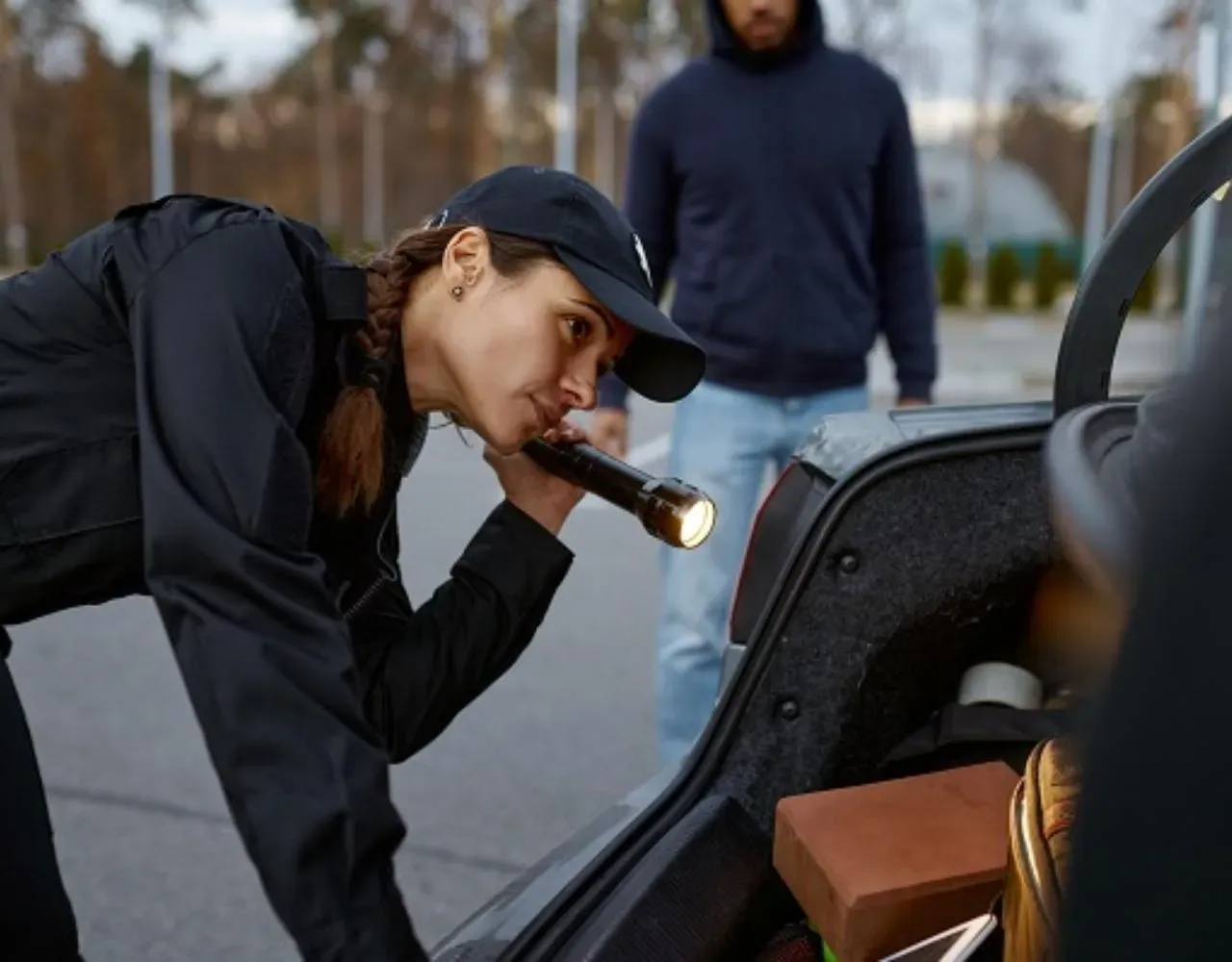
Getting pulled over by a police officer is unsettling. When flashing lights appear in your rearview mirror, and a routine traffic stop turns into a DUI investigation, things can escalate quickly. Many drivers we speak with are less worried about the sobriety tests and more concerned about what happens next, especially whether law enforcement can search their car. In Illinois, the answer is not as simple as “yes” or “no,” and your constitutional rights matter more than most people realize.
At Chicago DUI Lawyers, we regularly see cases where a vehicle search goes beyond what the law allows. The Fourth Amendment to the United States Constitution places strict limits on police searches, even after someone is suspected of drinking and driving or arrested for DUI. Understanding when a search is legal and when it becomes an illegal search can make a major difference in your case, your criminal charges, and your future.
If you were arrested for DUI and police searched your vehicle, do not face this alone. Call Chicago DUI Lawyers at (312) 800-1626 to protect your case.

The Fourth Amendment to the United States Constitution protects people from unreasonable searches and seizures. This means law enforcement must have legal authority before conducting a search of your car. A police officer cannot search your vehicle simply because you were pulled over.
During a traffic stop for a traffic violation or traffic infraction, police searches are limited. A stop for speeding, a broken taillight, or another minor offense does not automatically allow vehicle searches.
Your constitutional rights include:
Learn More: What is your legal right during a traffic stop?
Most DUI cases begin with reasonable suspicion. Reasonable suspicion allows an officer to briefly investigate, but it does not justify a full vehicle search.
Common reasons for reasonable suspicion include:
At this stage, officers may request your driver’s license, ask questions, and observe for signs of impairment. They may also ask you to perform field sobriety tests or standardized field sobriety tests, and possibly request a breathalyzer test.
Many clients ask us directly: What is probable cause to search a vehicle?
Probable cause exists when facts and circumstances would lead a reasonable police officer to believe evidence of criminal activity is inside the vehicle. This is a higher legal standard than reasonable suspicion.
Common examples of probable cause to search a vehicle in DUI cases include:
Probable cause may allow a legal search, but it does not eliminate all Fourth Amendment protections.

After a lawful arrest, police may conduct searches incident to a valid arrest. These searches are limited and typically focus on:
The purpose is officer safety and preservation of evidence.
Under the automobile exception, law enforcement may conduct a warrantless search if probable cause exists. This exception allows police to search:
However, detached spaces and unrelated areas may still be protected.
The plain view doctrine allows officers to seize evidence they can clearly see without entering the vehicle, such as:
Police often request consent to search because consensual searches expand their authority.
Important facts about consent to search:
If your vehicle is towed or impounded, police may conduct an inventory search before sending it to the impound lot. Inventory searches apply to impounded vehicles and must follow strict procedures. Abuse of inventory search rules is a common defense issue.
A police officer generally cannot search your vehicle based solely on:
Searches under these circumstances may qualify as an unlawful search.

Illinois allows DUI checkpoint operations under specific guidelines. At a DUI checkpoint:
Checkpoint violations frequently arise in Illinois DUI process cases.
A drug-sniffing dog may be used during a traffic stop only if it does not unlawfully extend the stop. Improper use of a dog can violate Supreme Court case law and lead to suppressed evidence.
If asked to search your car:
Statements made before or after a Miranda warning may affect your case.
Evidence obtained through an illegal search may be excluded under the exclusionary rule. Criminal defense attorneys often file a motion to suppress to challenge unlawful police searches and seizures.
Suppressing evidence can weaken or dismiss:
It can also help protect your insurance rates and future opportunities.

As experienced DUI lawyers, we understand how police searches are supposed to work and where they often go wrong.
We help by:
Whether the issue involves the automobile exception, plain view doctrine, inventory search, or consent, we fight to protect your vehicle search rights.
A DUI arrest does not mean law enforcement had the legal authority to search your car. Vehicle searches must comply with the Fourth Amendment and established search and seizure rules designed to protect people from unreasonable searches and seizures. Even small mistakes, such as extending a traffic stop, misusing plain view, or conducting a warrantless search without justification, can significantly impact the outcome of a case.
If you were arrested for DUI, do not assume the police followed the law. As criminal defense attorneys, we know how to identify unlawful searches, challenge police reports, and file a motion to suppress when evidence was obtained improperly. Early legal advice can protect your driver’s license, reduce penalties, and strengthen your defense.
If you believe police violated your vehicle search rights after a DUI arrest, Chicago DUI Lawyers are ready to help. Contact our team today for clear legal guidance and a strong defense strategy.
02/21/2026

01/03/2026