


What Is the Penalty for Driving a Commercial Vehicle Without a CDL?
 11/25/2026
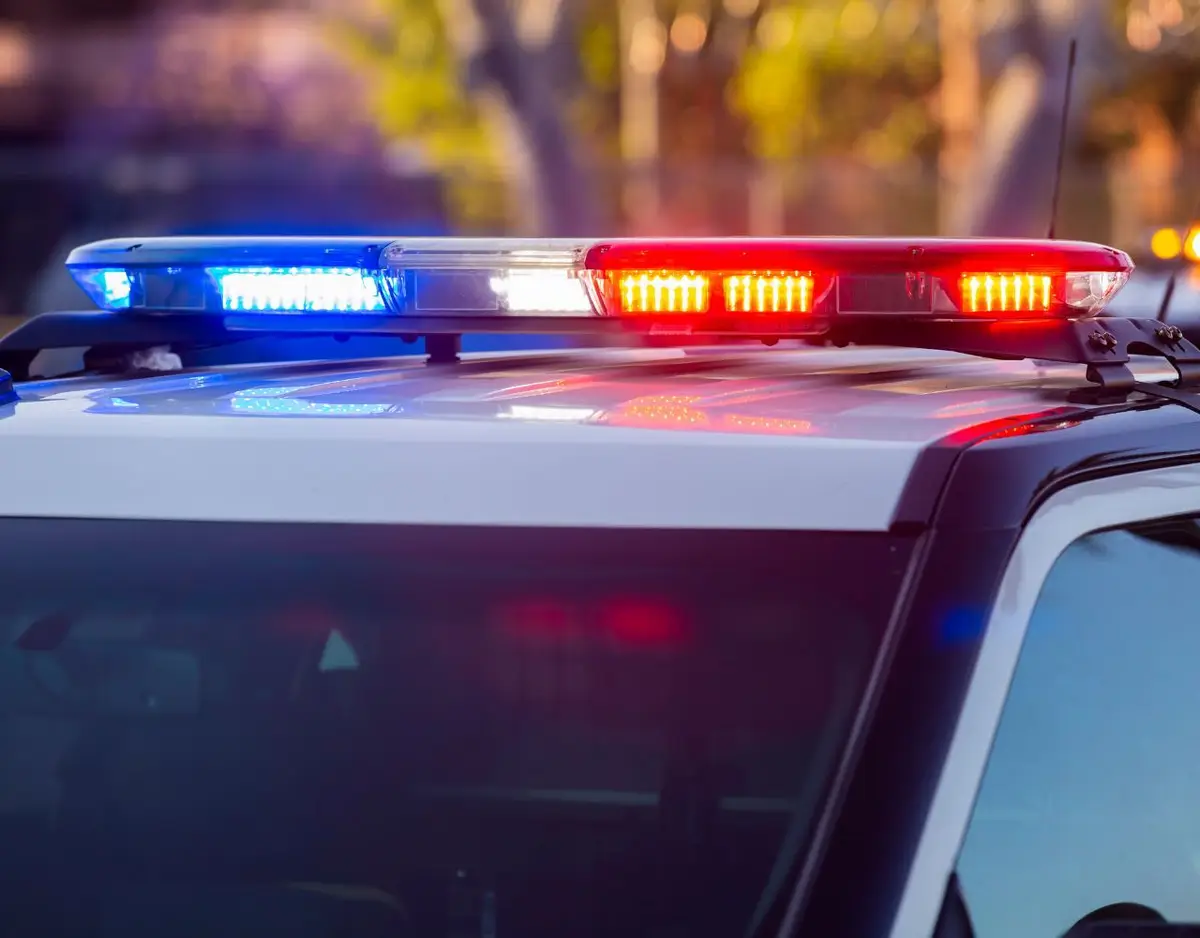
A DUI checkpoint, which Illinois police often call a roadside safety check, is a brief stop where officers check every driver, or a set pattern of drivers, who comes through. It is a stressful moment even when you have done nothing wrong. Most drivers want to know one thing: what do I have to do here?
This page covers what you must show, what you can decline, and what the police have to follow. If a checkpoint ended in an arrest, our Chicago DUI lawyers can review how it was run.
No. At an Illinois DUI checkpoint you must show your driver’s license and proof of insurance, but you do not have to answer questions about drinking or where you are going. You can also decline field sobriety tests and a preliminary breath test. Officers may still act on what they see or smell, so stay calm and polite.
Source: 625 ILCS 5/6-112 (opens in a new tab), 625 ILCS 5/7-602 (opens in a new tab), and 625 ILCS 5/11-501.5 (opens in a new tab).
Expect warning signs, uniformed officers, and flashing lights. An officer will ask for your license and look at you and your car. The Illinois State Police directive for these checks tells officers to listen for speech problems and look for signs of drinking.
If your license looks valid, the directive treats that as proof that you are licensed. Officers who suspect impairment send the driver to a secondary screening area. Everyone else is waved on, and the directive says the check should cause minimum delay.
If the officer smells alcohol or sees an open container, the stop can turn into a DUI investigation. That can include standardized field sobriety tests. After an arrest, officers may also seek a warrant for a blood draw.
No. The only things Illinois law requires you to show are your driver’s license and your proof of insurance. Officers may ask where you are coming from or whether you have been drinking. You can politely decline to answer.
Illinois law defines “display” for both documents as putting them into the officer’s hands for inspection. Our guide to your rights during a traffic stop covers this in more detail.
You can decline all of the following:
The Fifth Amendment (opens in a new tab) protects your right not to make statements that could be used against you. A simple “I prefer not to answer questions” is enough. Arguing at the roadside rarely helps.
Staying quiet is not a reason for suspicion on its own. The Illinois Supreme Court has repeated that a refusal to cooperate, without more, does not amount to reasonable suspicion. An officer who smells alcohol or sees an open container may still act on that.
A breath test at a checkpoint can mean two different things. Before an arrest, an officer with reasonable suspicion may ask for a preliminary breath screening test, and the statute says you may refuse it. The result only helps the officer decide whether to arrest.
After a DUI arrest, the rules change. By driving in Illinois, you are treated as having agreed to a chemical test if you are arrested for DUI. Refusing it triggers a statutory summary suspension of your license, which begins on the 46th day after notice.
For a first offender whose case involved no crash injuries, a refusal means a 12 month suspension. Our guide to refusing a breath test in Illinois explains the choice in full.
Yes, when they follow set rules. In Michigan Department of State Police v. Sitz (opens in a new tab), the U.S. Supreme Court held that a brief sobriety checkpoint can meet the Fourth Amendment. The program in that case had written guidelines on site selection, operations, and publicity. The average delay was 25 seconds.
A checkpoint is different from a regular stop. Officers do not need a reason to stop you, because they stop drivers by a plan and not by suspicion. That is why the rules for running one matter so much.

The State Police directive on roadside safety checks (opens in a new tab) sets these rules for its own checks:
Other agencies set their own written rules. A court weighs the public interest, how well the check serves it, and how much it intrudes on drivers. A stop that drags on, or turns into a search with no suspicion, is easier to challenge.
Yes. Nothing in Illinois law requires you to drive through a checkpoint. The Illinois Supreme Court has said that drivers generally have a right to avoid contact with police when there is no reasonable suspicion. But a turn at the wrong moment can still bring a stop.
In People v. Timmsen (opens in a new tab), a driver made a U-turn about 50 feet before a marked State Police roadblock at 1:15 a.m. on a Saturday. Officers stopped him and arrested him for driving on a suspended license.
The court did not say that avoiding a checkpoint is always grounds for a stop. It also refused to say it is never grounds. It looked at the whole picture: the short distance, the late hour, and the clearly marked roadblock. Together, those gave the officers reasonable suspicion.
How and where you turn matters. A calm turn onto a side street well before the checkpoint looks different from a sudden U-turn at the signs.
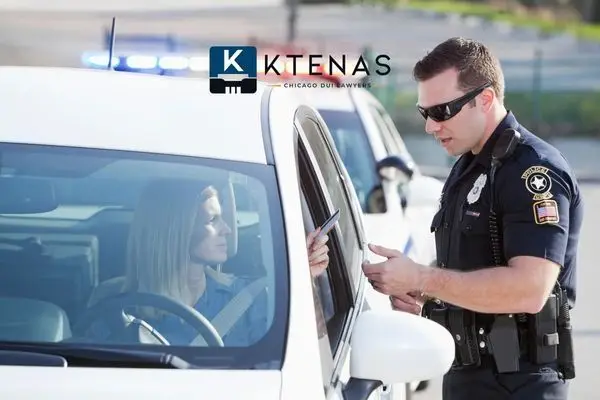
If you were arrested for a DUI after a checkpoint, speak with a DUI attorney as soon as you can. Write down where you were stopped, the time, what the signs said, and what the officers did and said.
An attorney can ask for the police reports, any video, and the plan for that checkpoint, then check whether the stop followed its rules. If a court finds the stop was unlawful, evidence from it can be thrown out, which can change the case.
To talk through a checkpoint stop, call us at (312) 800-1626 or contact us online.
No. You must show your driver’s license and proof of insurance, but you can politely decline questions about drinking or where you are going. The Fifth Amendment protects your right not to make statements that could be used against you.
Your driver’s license and proof of insurance. Illinois law defines displaying each one as handing it to the officer for inspection. Our traffic stop rights guide has more.
Yes, when they follow set rules. The U.S. Supreme Court upheld brief sobriety checkpoints in Michigan Department of State Police v. Sitz. Illinois State Police checks must follow a written plan, warning signs, and a set pattern for choosing vehicles.
Yes, you are not required to go through one. But police may stop you if the totality of the circumstances gives them reasonable suspicion. In People v. Timmsen, a U-turn 50 feet from a marked roadblock at 1:15 a.m. was enough.
You may refuse a preliminary breath test before an arrest. After a DUI arrest, refusing a chemical test triggers a statutory summary suspension that begins on the 46th day. See our breathalyzer refusal guide.
The Illinois State Police directive calls for a written plan, orange or yellow warning signs, a set pattern for choosing vehicles, a supervisor on scene, and minimum delay. Other agencies set their own written rules.
Speak with a DUI attorney quickly and write down where, when, and how the stop happened. An attorney can review the police reports, video, and the checkpoint plan. Our DUI defense page explains what comes next.
This page is general information about Illinois law and is not legal advice. How a checkpoint was run and what happened during the stop vary from case to case. Speak with an attorney about your situation.