If I Don't Take a Breathalyzer, Won't My License Be Suspended?
 10/15/2026

If you hold a commercial driver’s license, Illinois does not treat a DUI the way it treats one for an ordinary driver. A single conviction, or even a single failed or refused chemical test, can pull your CDL for a full year. A second one can end your CDL for life. That is true even if the DUI happened in your own car on your day off.
At Ktenas Law, our team is made up entirely of former state prosecutors who spent years handling exactly these cases from the other side of the courtroom. We focus our practice on Illinois DUI defense, including the added layer of consequences that comes with holding a CDL. Call (312) 800-1626 for a free case review if you are facing a commercial driver DUI charge in Illinois.
A first DUI-related violation disqualifies a CDL for at least 12 months. That rises to at least 3 years if you were hauling placarded hazardous materials, and a second qualifying violation from a separate incident ends the CDL for life. The threshold is 0.04 in a commercial vehicle, half the standard limit.

A first DUI-related violation as a CDL holder triggers a mandatory disqualification of your commercial driving privileges for not less than 12 months, under 625 ILCS 5/6-514. If the violation happened while you were hauling placarded hazardous materials, that jumps to not less than 3 years. A second qualifying violation, arising from a separate incident, means disqualification for life, with no path back.
This is separate from, and in addition to, whatever happens in your criminal case. The disqualification is an administrative action by the Illinois Secretary of State. It runs on its own timeline, and it does not wait to see how your criminal charge turns out.
Illinois sets the standard non-commercial DUI threshold at a blood alcohol concentration of 0.08. For a CDL holder operating a commercial motor vehicle, that threshold is cut in half, to 0.04. A CDL holder who tests at 0.04 or higher while driving a CMV, or who refuses testing, faces the mandatory disqualification described above under 625 ILCS 5/6-514(opens in a new tab), regardless of whether that specific BAC also meets the 0.08 threshold that a general criminal DUI charge would require.
In plain terms: a BAC between 0.04 and 0.079 in a commercial vehicle may not be enough on its own to support a criminal DUI charge, but it is enough on its own to cost you your CDL for a year. And it does not matter whether you were driving a truck or your own car at the time. A DUI conviction, or a failed or refused test, in a personal, non-commercial vehicle still triggers the same CDL disqualification under Illinois law.
A refusal counts the same as a failed test for disqualification purposes. If your livelihood depends on the card, start with our CDL defense page.
The math gets unforgiving fast for a repeat violation. Under Illinois law, a second conviction for DUI, refusal, or several other major offenses, arising from separate incidents, results in disqualification from commercial driving for life. Illinois does allow a narrow federal pathway that can reduce a lifetime disqualification to a minimum of 10 years in limited circumstances, but that relief is the exception, not the rule, and it is not something to count on.
On the criminal side, a first-offense DUI in Illinois is generally charged as a Class A misdemeanor, carrying fines up to $2,500 and up to 364 days in jail, though jail time is not automatic for a first offense. A second or subsequent DUI, or one involving aggravating factors, can be charged as a felony with substantially higher stakes. The specific charge in your case depends on your history and the facts, and only a review of your record and the police reports will tell you where you stand.
Illinois did not invent these disqualification rules on its own. The Illinois Vehicle Code was written to mirror the federal disqualification table at 49 C.F.R. § 383.51(opens in a new tab), which every state’s CDL program has to follow to keep federal highway funding. That is why you will see the same 1-year, 3-year, and lifetime numbers whether you read the Illinois statute or the federal regulation. The Illinois Secretary of State enforces the state version directly, and it applies the moment a qualifying conviction or test result is reported, without a separate federal proceeding.

A DUI arrest sets two separate clocks running: the criminal case, and a possible statutory summary suspension of your personal driving privileges. If you are a first-time offender and otherwise eligible, you may qualify for a Monitoring Device Driving Permit, which allows you to keep driving a personal, non-commercial vehicle during a statutory summary suspension, as long as it has a breath alcohol ignition interlock device installed.
That permit never authorizes operating a commercial motor vehicle, and it does nothing to shorten or pause a CDL disqualification. If your goal is to keep working as a commercial driver, that path is not available during the disqualification period itself. This is a common point of confusion, and it is worth getting a straight answer on before you assume any option is open to you.
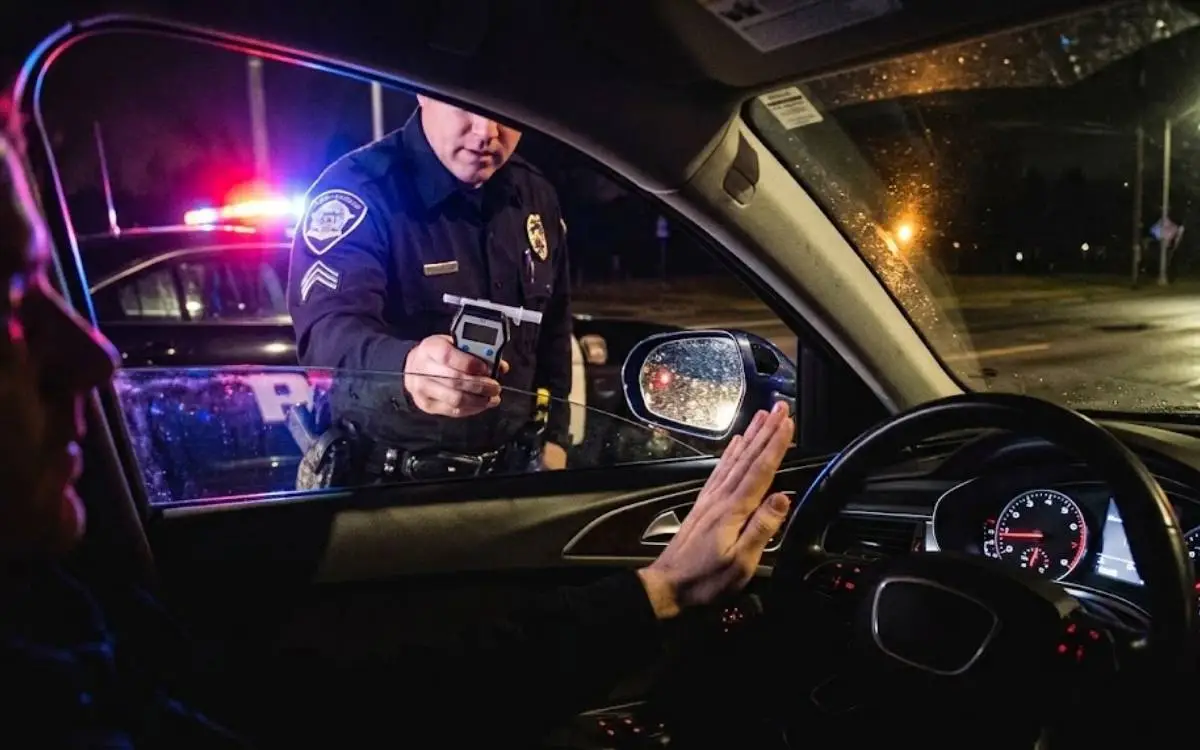
A charge is not a conviction, and a CDL disqualification tied to a conviction is not automatic until that conviction happens. Our attorneys built their careers as prosecutors before switching sides, which means they know how the state assembles a DUI case because they used to assemble them. That background shapes how we look at a case: auditing the breathalyzer’s calibration and maintenance records, reviewing the officer’s field notes against body camera footage, and checking whether the traffic stop itself had a valid legal basis in the first place.
Every defense depends on the specific facts and evidence in your case. We cannot promise a particular outcome, and no honest attorney can. What we can do is give your case the same level of scrutiny our attorneys once gave to the cases they prosecuted.
It gets harder, and how much harder depends on the outcome of your case. Many carriers run background checks and are cautious about hiring drivers with a DUI on record, particularly for a second offense or a lifetime disqualification. Insurance costs for the driver or the carrier often rise as well.
Once a disqualification period runs its course and any other state licensing requirements are satisfied, driving eligibility can be restored through the Secretary of State’s own process. That process is separate from your DUI defense, and it is not something our office handles directly. Where we focus is on the DUI case itself, since the strength of that outcome is what determines how long, and how severe, the disqualification actually is.

For most people, a DUI is a legal problem. For a commercial driver, it is also an income problem, and often a career problem. The stakes are different, and the defense should reflect that. Our attorneys focus on Illinois DUI law specifically, and they bring former-prosecutor insight into how these cases are actually built and where they can be challenged.
If you are a commercial driver facing a DUI in Illinois, the sooner your case gets a real look, the more options you are likely to have. Contact Ktenas Law for a free case review before decisions get made without you in the room.
A commercial DUI case moves fast, and the CDL disqualification clock does not wait for you to figure out your options. Call Ktenas Law at (312) 800-1626 for a free case review, or reach out online to talk with our team about what a former-prosecutor defense can do for your case.
Yes. Illinois law applies the same CDL disqualification rules under 625 ILCS 5/6-514 whether the DUI, failed test, or refusal happened in a commercial vehicle or your own personal vehicle.
0.04 while operating a commercial motor vehicle, compared to 0.08 for a non-commercial vehicle. Refusing a chemical test carries the same disqualification as testing over the limit.
Not less than 12 months for a first qualifying violation, not less than 3 years if hazardous materials were involved, and disqualification for life for a second qualifying violation from a separate incident.
No. Illinois law specifically bars restoring commercial driving privileges during a disqualification period. A Monitoring Device Driving Permit, when available, only covers a personal, non-commercial vehicle.
A conviction becomes part of your driving and criminal record, and most carriers run background checks. How much it affects hiring depends on the carrier, the conviction, and time elapsed, and is not something we can predict for your situation.