Blood Alcohol Concentration (BAC) in Illinois
 11/06/2026
A DUI arrest is not the same thing as a DUI conviction. In Illinois, a DUI case can be dismissed or significantly weakened when the stop, the testing, or the evidence behind it does not hold up to scrutiny. That does not happen automatically, and it does not happen in every case, but it happens more often than most drivers expect once an attorney examines the details.
You may have been drinking before you drove. You may still have a real defense. The traffic stop, the field sobriety tests, and the chemical test results all have to meet specific legal standards, and any one of them can fall short. At Ktenas Law, our team is built entirely of former prosecutors who spent years building these exact cases for the state. We know where they tend to break down.
Yes, a DUI can be dismissed, under the right facts. Illinois requires a valid legal basis for the stop, a properly administered test, and reliable evidence that you were driving. When one of those fails, the court can suppress the evidence and the case can come apart.

Yes, under the right facts. Illinois law requires the police to have a valid legal basis for the stop, a properly administered test, and reliable evidence connecting you to the driving. When any of those pieces fail, a court can suppress the evidence or the prosecution’s case can collapse outright.
There is no guarantee tied to any of this. Every DUI case turns on its own facts, and an attorney cannot promise a dismissal before reviewing your file. What we can tell you is which weaknesses to look for, because we have argued both sides of this exact fight.
Illinois defines DUI under 625 ILCS 5/11-501. The statute makes it illegal to drive or be in actual physical control of a vehicle while under the influence of alcohol, drugs, or intoxicating compounds to a degree that makes safe driving impossible, or with a blood alcohol concentration (BAC) of 0.08 or higher.
A first or second DUI is typically charged as a Class A misdemeanor. Prior offenses, aggravating facts such as a crash causing injury, a child passenger, or a suspended license at the time of driving can raise the charge to a felony, with third offenses and beyond reaching Class 2, Class 1, or Class X felony territory. A BAC of 0.16 or higher also triggers enhanced penalties even on a first offense.
These classifications and thresholds change as the legislature amends the statute, so treat this as a general summary and confirm current figures with your attorney rather than relying on any single article, including this one.
No attorney can promise a dismissal, and any who does is telling you what you want to hear. Our DUI defense page explains where these cases actually break.
The state carries the full burden of proof in a DUI case. Prosecutors generally have to establish that you were the one operating or in physical control of the vehicle, that the stop leading to your arrest was legally justified, and that reliable evidence shows impairment or a BAC at or above the legal limit.
If prosecutors cannot connect all three pieces with evidence a court will actually allow in, the case weakens fast. That is where most successful defense work happens, not in a dramatic courtroom reveal, but in the quiet process of checking whether each piece of the state’s evidence was gathered and handled correctly.

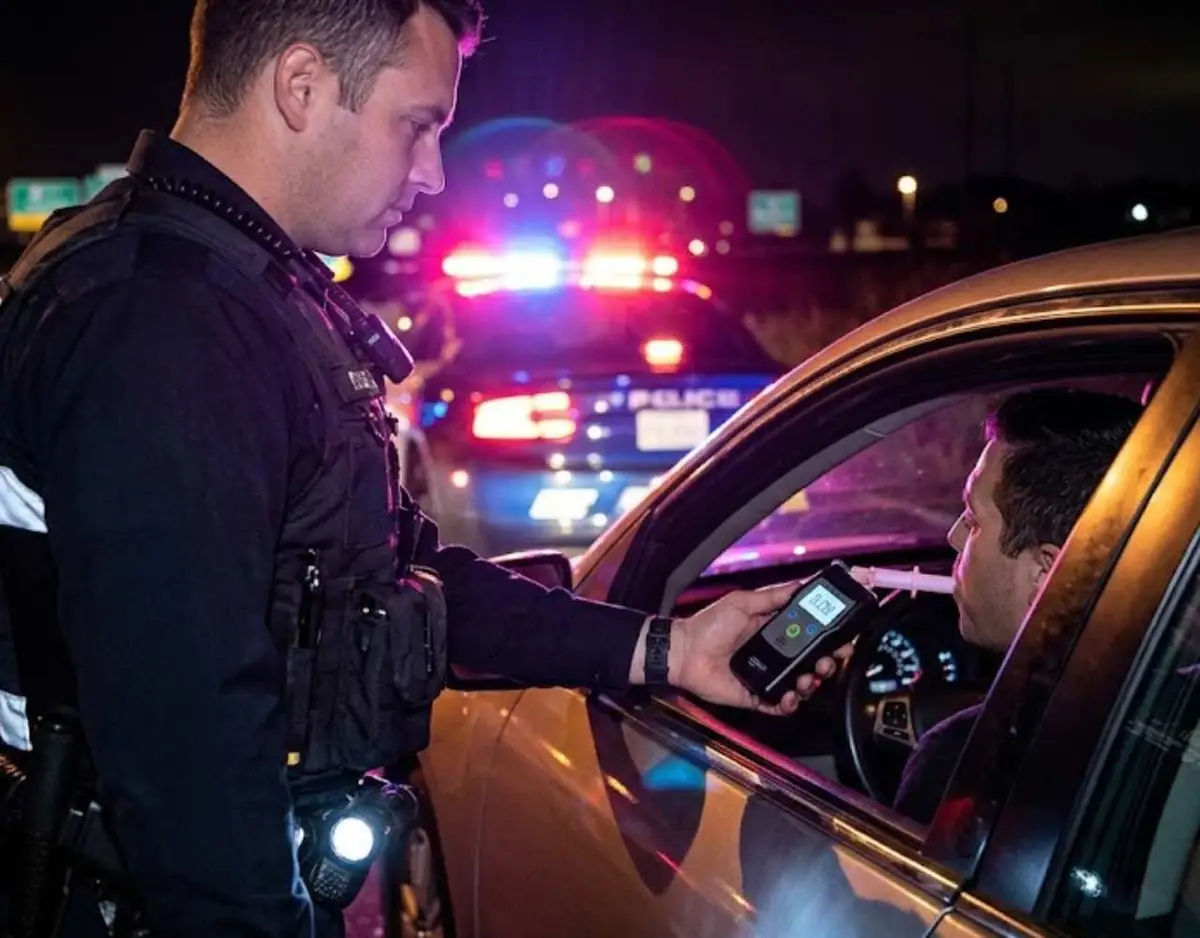
Police need reasonable suspicion, a lower bar than probable cause, to pull you over. A broken taillight, speeding, weaving, or another visible traffic violation can supply that. Driving near a bar with no traffic violation at all generally does not.
If an officer lacked a valid reason for the stop, the Fourth Amendment can bar the evidence gathered afterward. That can include field sobriety results, breath test results, dashcam footage of slurred speech, and statements you made on the roadside.
An attorney raises this issue before trial through a pretrial motion to suppress, asking the judge to exclude the unlawfully obtained evidence before the case ever reaches a jury. When the motion succeeds, the prosecution often loses the evidence it needs to move forward at all.
Officers typically rely on three standardized field sobriety tests(opens in a new tab): the horizontal gaze nystagmus test (HGN), the walk and turn test, and the one leg stand. The National Highway Traffic Safety Administration has studied all three and found them reasonably reliable when given correctly, but “given correctly” is doing a lot of work in that sentence.
Small administration errors can throw off the results. Our attorneys look closely at circumstances like these:
The HGN test looks for involuntary eye movement associated with intoxication, but certain medical conditions, eye injuries, and medications can produce similar movement without any alcohol involved. That overlap gives an attorney real room to challenge the test’s accuracy before trial or during cross-examination of the arresting officer.

Chemical testing feels definitive to most people, but it depends entirely on the equipment and the process behind it. A breath test machine that was not calibrated or maintained on schedule can produce an inflated reading. A blood draw performed by an untrained technician, or a sample that sat too long or was stored improperly, can do the same.
Contamination, improper storage, and broken chain of custody all give an attorney grounds to question a BAC result. None of these challenges are guaranteed to work, and a court may ultimately side with the state, but each one forces the prosecution to defend evidence it may have assumed was unassailable.
Not every DUI case involves an officer watching someone drive. Single vehicle accidents, parked cars, and scenes with no witness to who was behind the wheel raise a different question entirely: can the state prove, beyond a reasonable doubt, that you were driving at all?
This defense turns on facts, not technicalities. It comes up most often when police arrive after the fact, when the vehicle is not registered to the person police suspect, or when no one at the scene admits to driving. The state also has to place you behind the wheel at a specific time, which matters if there is a gap between when you were drinking and when you were allegedly driving.
The choices you make in the first hours and days after an arrest can shape what your attorney has to work with later. A few habits protect your options:
DUI cases move through the circuit court in the county where the stop occurred, and local practice varies. Cook County, DuPage County, and Will County each have their own court call procedures, prosecutor tendencies, and scheduling realities that can affect how quickly a motion gets heard or how a case gets resolved. An attorney who has stood on both sides of these specific courtrooms brings a real advantage to that process.

Ktenas Law is staffed entirely by attorneys who used to build DUI cases for the state before they represented people accused of them. That background matters here specifically, because the defenses above (an unlawful stop, a poorly administered field sobriety test, a mishandled chemical sample, or a weak identification of the driver) are the same weaknesses prosecutors are trained to shore up before trial.
We know what a well built DUI case looks like, and by extension, what a vulnerable one looks like. When you bring us your case, we are not guessing at where the state might be exposed. We are checking the exact spots we used to check from the other side.
Every DUI case is different, and no attorney can promise a dismissal before reviewing the facts. What we can promise is a careful, former prosecutor’s look at your stop, your testing, and the evidence the state plans to use against you. Contact Ktenas Law for a Free Case Review and find out what our team sees in your case.
It happens, but it is not the norm and it is never automatic. Dismissal usually follows a successful challenge to the stop, the testing, or the evidence linking you to the vehicle. An attorney can tell you whether your facts support that kind of challenge after reviewing your file.
No. A dismissed DUI case does not automatically end a Statutory Summary Suspension. The criminal and license cases are separate, so you should address both with your attorney.
Not on its own. A lower than expected number can support an argument about the test’s reliability, but it is one piece of a larger analysis, not a dismissal by itself.
Refusing field sobriety tests can carry its own administrative consequences in Illinois and depends heavily on your specific situation. This is a question to bring directly to an attorney rather than decide in the moment based on general advice.
Yes. Recognizing a potential issue with a stop is different from raising it correctly in court through a proper pretrial motion, with the right evidence and the right timing. An attorney handles that process for you.