Blood Alcohol Concentration (BAC) in Illinois
 11/06/2026
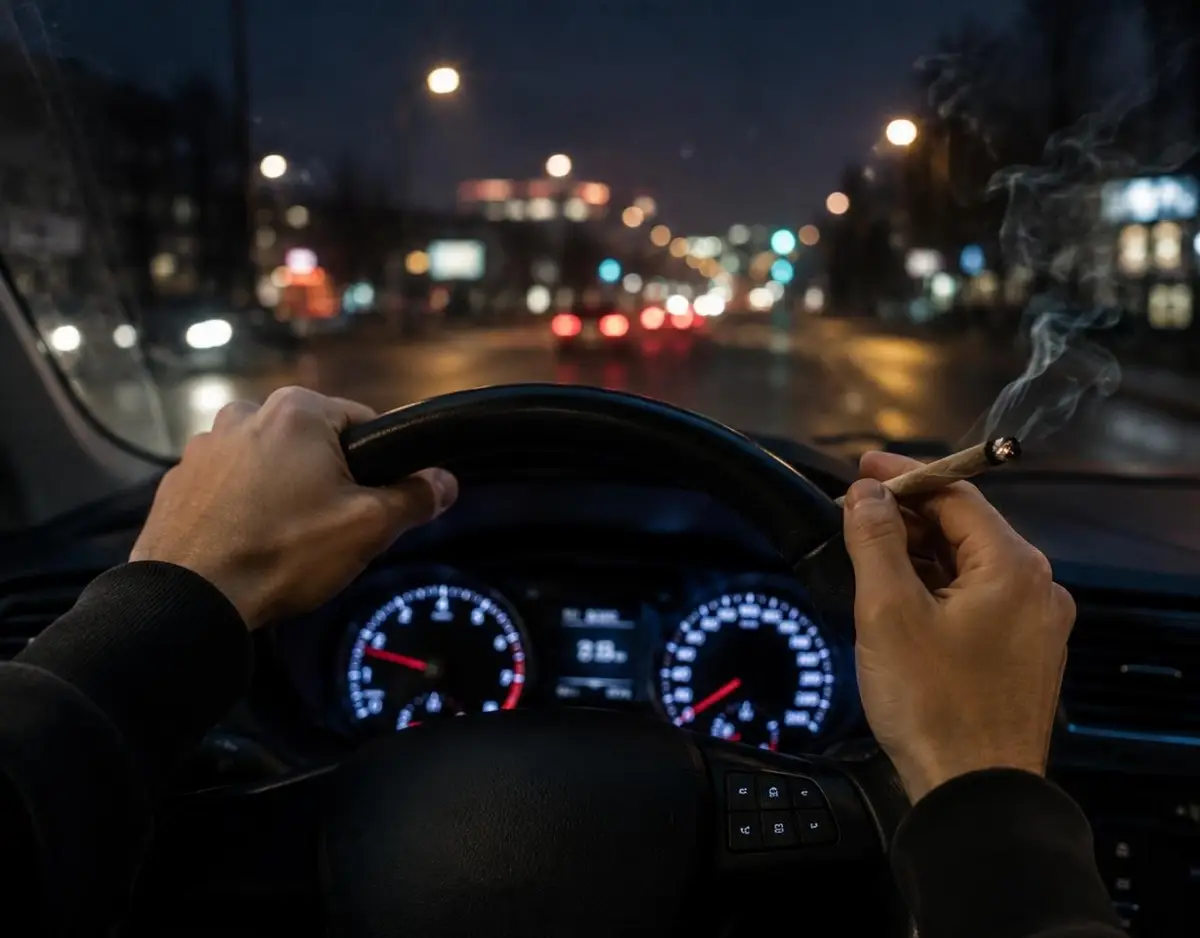
Marijuana has been legal for medical and recreational use in Illinois since January 1, 2020, when the state became the 11th in the country to legalize adult-use cannabis. That legal status has led a lot of people to assume that using marijuana carries no real legal risk anymore. Just like alcohol, though, cannabis comes with rules about when, where, and how you can use it, and those rules extend to driving. Illinois police can still arrest and charge you with a DUI for being high behind the wheel, for smoking or ingesting THC while driving, and in some cases, for having THC in your system even if you weren’t impaired at the moment of arrest.
If you were stopped and arrested on suspicion of a marijuana DUI, Ktenas Law can walk you through what the charge means and what comes next. Call for a free consultation as soon as you’re able.
Yes. Illinois treats driving under the influence of cannabis exactly like driving under the influence of alcohol. Both are DUI offenses under 625 ILCS 5/11-501, and both carry criminal penalties plus a separate hit to your driving privileges. Legal purchase does not change that.
The short answer is yes. Illinois treats driving under the influence of cannabis the same way it treats driving under the influence of alcohol: both are DUI offenses under Illinois law (625 ILCS 5/11-501(opens in a new tab)), and both carry criminal penalties on top of driver’s license consequences. These cases are often more complicated to prove than alcohol DUI cases, since there’s no roadside breathalyzer for THC, but “harder to prove” does not mean “rarely charged.”
Illinois law sets a per se limit for THC: driving with 5 nanograms or more of THC per milliliter of whole blood, or 10 nanograms or more in another bodily substance, within two hours of driving is enough on its own to support a DUI charge. Beyond that per se rule, an officer can also charge you with a DUI based on visible signs of impairment, regardless of the exact THC number a lab later reports.
There’s one narrow exception. If you’re a registered qualifying patient under the Compassionate Use of Medical Cannabis Program Act and you hold a valid registry card, the per se THC limit doesn’t automatically apply to you, though you can still be charged if an officer determines you were actually impaired while driving.
Buying legal cannabis doesn’t mean you can carry it however you want. Illinois requires that cannabis be transported in a secured, sealed, odor-proof, child-resistant container in its original packaging any time it’s in a vehicle. Breaking that rule is its own separate offense, a Class A misdemeanor, on top of any DUI exposure.
A few practical habits keep you on the right side of this rule:
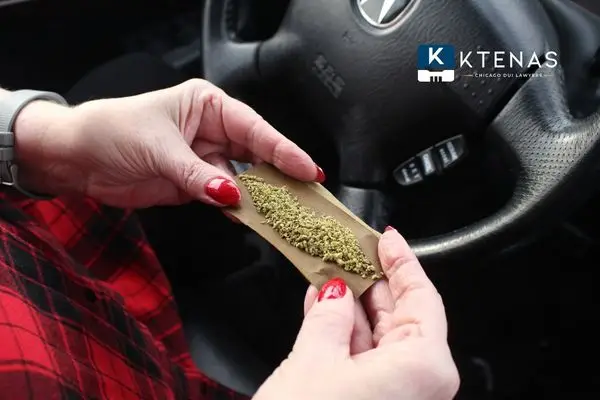
Cannabis also cannot be consumed inside a vehicle, whether the car is moving or parked, and it cannot be carried across state lines, even between two states where it’s legal.
Cannabis must travel in a sealed, odor-proof, child-resistant container. Breaking that rule is its own Class A misdemeanor on top of any DUI charge.
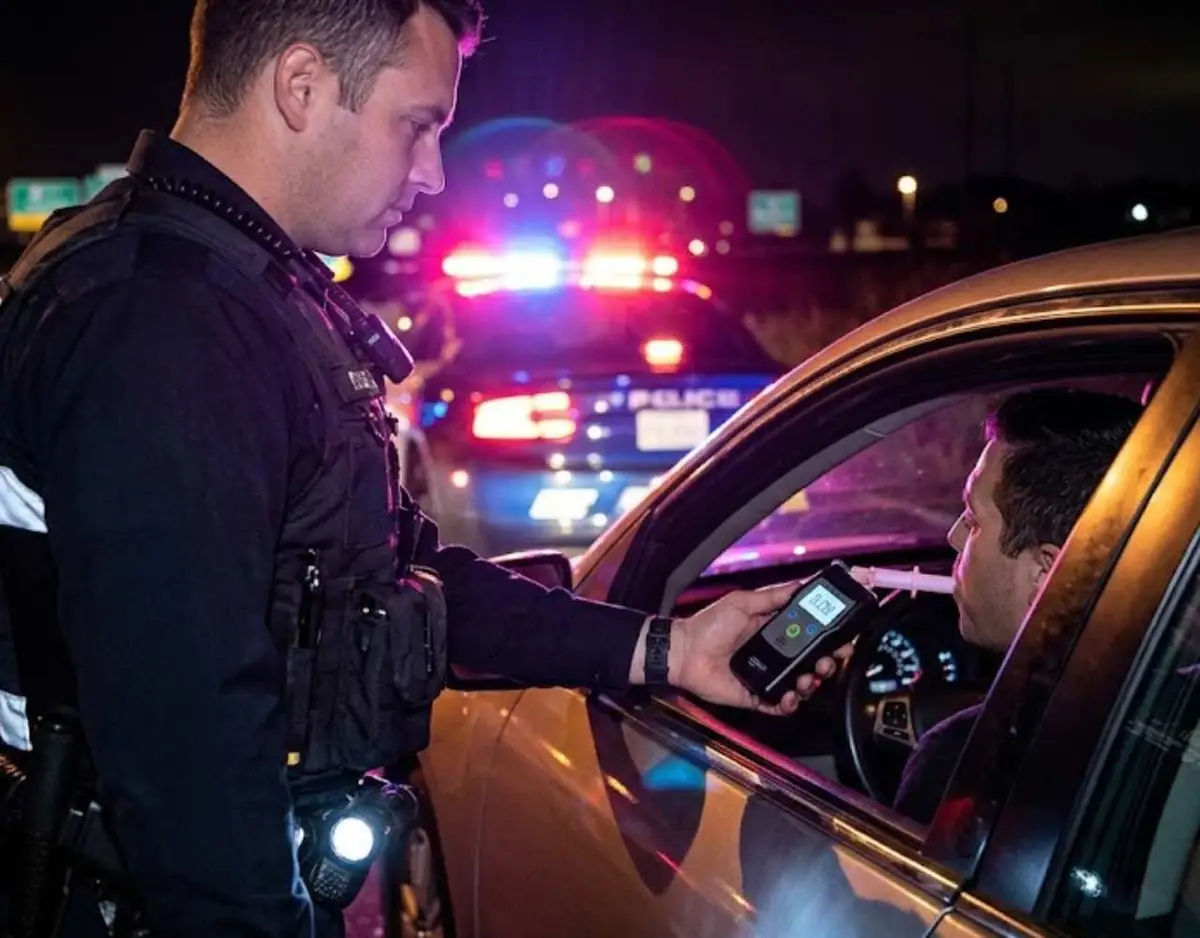
Alcohol has a breathalyzer. Marijuana doesn’t have an equivalent roadside test that reliably measures impairment in real time, which pushes officers toward a mix of observation and field sobriety testing.
Officers typically look for the same physical cues associated with cannabis use: bloodshot or glassy eyes, the smell of marijuana, delayed reaction time, and poor performance on tests like the walk-and-turn or one-leg stand. If you have open or visible THC products or paraphernalia in the car, that alone often leads to a DUI arrest, even if you weren’t actually impaired.
After an arrest, Illinois law authorizes chemical testing, usually blood or urine, to measure THC levels. It’s worth understanding what that number actually proves and what it doesn’t:

THC can stay detectable in a regular user’s system for weeks after last use, which creates a real problem for habitual users, medical cardholders, and recreational users alike. Someone who used cannabis several days earlier can test above the legal threshold without being impaired at the time of arrest.
Illinois gives registered medical cannabis patients a partial buffer against the per se rule, but a habitual recreational user without a card doesn’t get that same protection, even though their blood THC levels can look identical to a cardholder’s. This gap is one of the more difficult parts of Illinois marijuana DUI law, and it’s an area where an attorney familiar with cannabis-specific DUI cases can push back on the state’s evidence.
Unlike blood alcohol testing, a positive THC test doesn’t establish that you ingested cannabis shortly before or during driving. That distinction, and how the science around it is presented in court, often becomes the center of a marijuana DUI defense.
A first-offense DUI in Illinois, whether alcohol or cannabis related, is charged as a Class A misdemeanor. That classification carries up to 364 days in jail and a fine of up to $2,500 plus court costs, though jail time is not automatic and depends on the facts of the case, any aggravating factors, and your prior record.
Beyond the criminal case, a DUI arrest triggers driver’s license consequences that move on a separate track:
Exact suspension lengths, permit eligibility, and sentencing outcomes depend on your specific case, including whether this is a first offense, so it’s worth confirming the current numbers for your situation with an attorney rather than relying on general figures alone.
Because the science behind THC testing is so different from alcohol testing, a marijuana DUI defense often looks nothing like an alcohol DUI defense. An attorney can look at the timing of the traffic stop, how the field sobriety tests were administered, whether the stop itself was lawful, and whether the THC test result actually supports a claim of impairment at the time you were driving.
None of this guarantees a particular result. Every case turns on its own facts, the evidence collected, and the court handling it. But the distinction between “THC in your system” and “impaired while driving” is real, and it’s worth having someone who understands cannabis DUI cases specifically look at how the state is trying to prove its case.

Marijuana DUI cases move through the same Illinois circuit court system as alcohol DUI cases, but prosecutors and judges are still working with newer, less settled science on cannabis impairment than they have on alcohol. That gap can work in a defendant’s favor when the evidence is handled correctly.
Ktenas Law represents clients facing marijuana and alcohol DUI charges across the Chicagoland area, and understands how local courts and prosecutors approach THC-related evidence.
A DUI charge, marijuana or alcohol, is not the same thing as a conviction. Experienced criminal defense attorneys who focus on DUI defense understand that cannabis DUI cases require different evidence and different arguments than alcohol cases, even though the charges share a name.
At Ktenas Law, our attorneys handle both alcohol and marijuana DUI cases and can walk you through what your arrest means and what your options are. Call today for a free consultation.
Yes, though the rules are slightly different. Registered medical cannabis patients aren’t automatically charged based on the standard THC per se limit, but an officer can still charge you with a DUI if they believe you were actually impaired while driving.
THC can remain detectable for days or even weeks in regular users, depending on frequency of use and individual factors. That’s part of why a positive THC test doesn’t necessarily prove recent use or impairment.
The smell of marijuana can be one factor an officer uses to justify further investigation, including a search, especially combined with other signs like visible paraphernalia. Whether a specific search was lawful depends on the full circumstances of the stop.
Refusing testing generally leads to a longer statutory summary suspension of your driver’s license than failing a test would. It doesn’t automatically prevent a DUI charge from moving forward.
Both fall under the same DUI statute and carry similar potential criminal penalties, but the evidence looks very different. THC testing doesn’t work like a breathalyzer, so marijuana cases often turn on field sobriety performance, officer observations, and how THC test results are interpreted.
Yes. Illinois requires cannabis to be transported in a sealed, odor-proof, child-resistant container in its original packaging. Having it open and accessible in the car can lead to charges on its own and can also support a DUI arrest, similar to an open alcohol container.