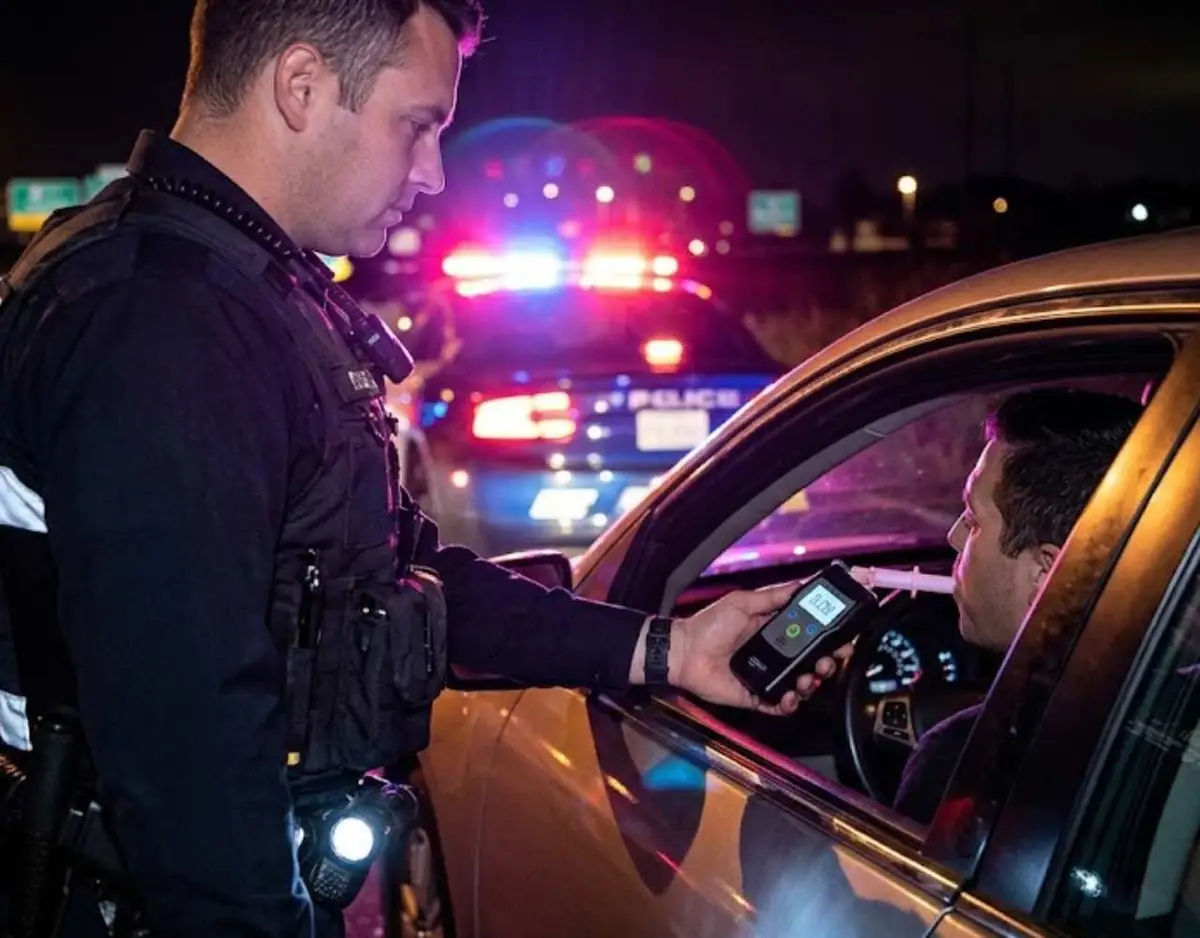
Blood Alcohol Concentration (BAC) in Illinois
 11/06/2026
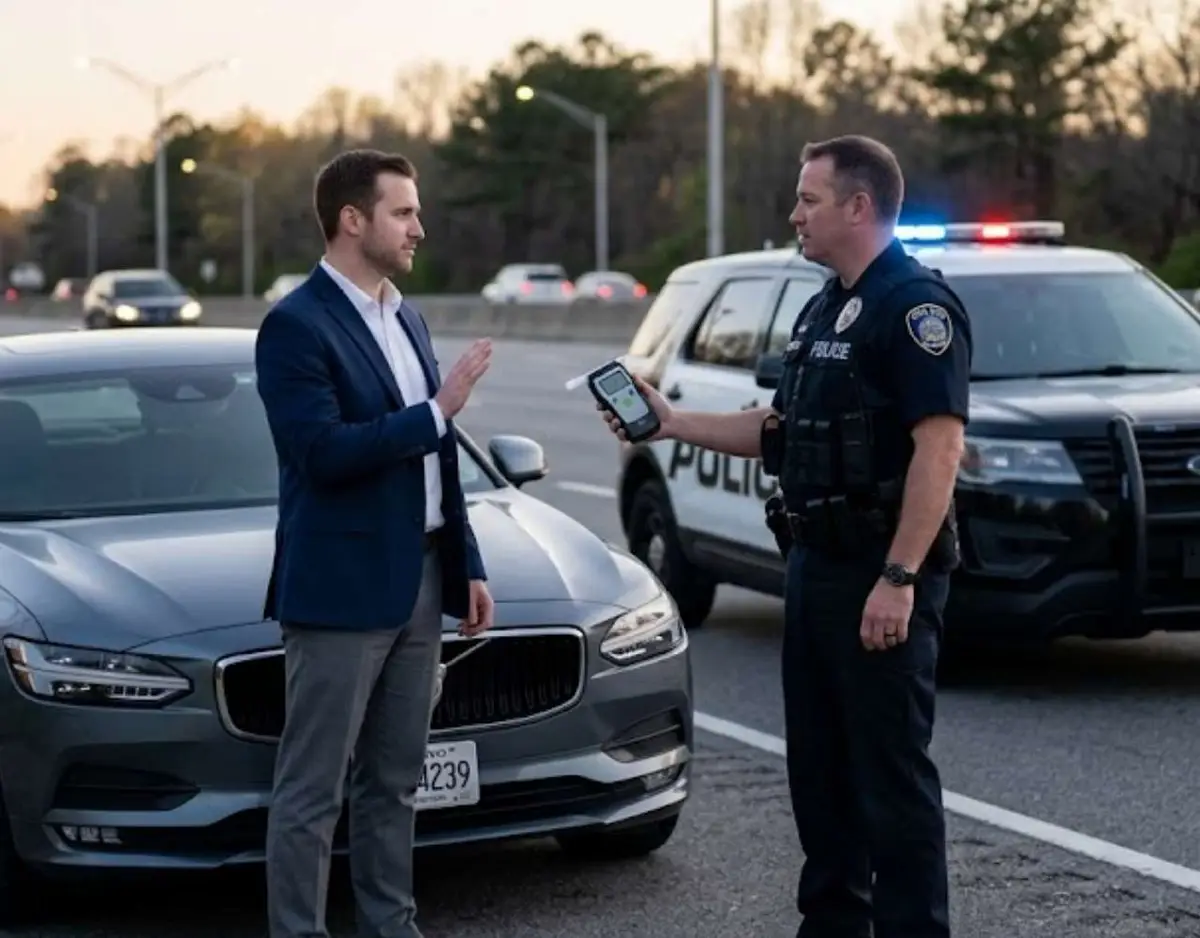
Refusing a breathalyzer feels like it should end the conversation. No number, no evidence, no case.
That is not how Illinois law works.
Prosecutors do not need a blood alcohol number to charge or convict someone of DUI. They need enough evidence to convince a judge that a driver was impaired. Illinois law gives them more than one way to get there. If you refused testing, or you were arrested without ever being offered a chemical test, your case looks different from a standard breath-test DUI. It isn’t automatically weaker, and it isn’t over.
At Ktenas Law, our team is built entirely of former Cook County and Will County prosecutors, including founding partner Alex Ktenas. He spent years on the other side of these exact cases in Chicago and Markham courtrooms. We know what a case built on officer observation alone looks like from the inside, and where it tends to fall apart.
If you are facing a DUI charge with no breath test in the file, a free case review is the fastest way to find out where your case stands.
Yes. Illinois gives prosecutors two ways to prove a DUI, and only one of them needs a test. A per se charge relies on a reading of 0.08 or higher and disappears without one. An impairment charge relies on observations, and refusing the test does not make it go away.
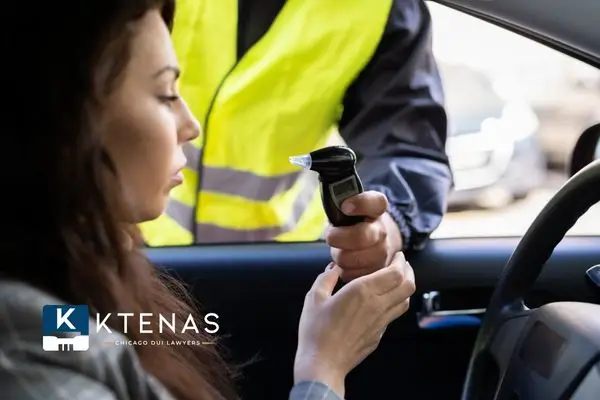
Illinois gives prosecutors two separate ways to prove a DUI. Only one of them needs a chemical test.
The first way is a “per se” charge: driving with a blood alcohol level of 0.08 or higher. This is the path that disappears without a test result.
The second way is an “impairment” charge: driving while under the influence of alcohol to a degree that makes it unsafe to drive. This path does not need a BAC number at all. It relies on what the officer saw, heard, and wrote down, plus any other evidence available.
Refusing the test does not remove that second path. It just means the whole case runs on it instead of on both.
Illinois operates under what is called implied consent, written into the Illinois Vehicle Code at 625 ILCS 5/11-501.1(opens in a new tab). Driving on Illinois roads means you have already agreed to chemical testing if a police officer arrests you for DUI.
Refusing the test does not cancel that agreement. It triggers an automatic penalty called a Statutory Summary Suspension, handled by the Secretary of State, not a judge. This happens whether or not you are ever convicted.
The length depends on your record and your choice:
Refusing costs you twice the suspension length of failing. That is worth knowing before you decide how to respond during a stop.
The suspension does not start right away. It takes effect on the 46th day after you receive notice, usually your arrest date. You then have 90 days from your arrest to file a petition challenging it. Missing that window does not end your options, but it closes the fastest one.
Refusing the breathalyzer triggers a statutory summary suspension of its own under 625 ILCS 5/11-501.1. Our DUI defense page explains how the two proceedings run in parallel.
Without a BAC result, prosecutors lean harder on everything else in the police report.
That typically includes:
None of this carries the same weight as a calibrated breath test(opens in a new tab) number. But a judge does not need a number to find impairment. Officer testimony alone can be enough if nothing challenges it.
It is tempting to assume no chemical test means no real evidence. That is not the standard the law applies.
An impairment case comes down to the officer’s opinion, written down at the time and repeated later in court. A well-documented opinion, backed by video and consistent notes, can carry real weight. A poorly documented one, or one that video contradicts, becomes much easier to challenge.
This is exactly why the details matter so much in a no-breath-test case. There is no single number to fight. There is a full narrative to take apart, piece by piece.
Every case depends on its own facts. No attorney can promise a specific result. Generally, a defense in a no-breath-test case tends to focus on a few things:
A charge is not a conviction. The right approach depends on what the evidence actually shows once someone reviews it closely.
A first-offense DUI without aggravating factors is a Class A misdemeanor under Illinois law (625 ILCS 5/11-501). That means:
Many first-time cases end in court supervision rather than jail. That outcome depends entirely on the facts of the case and is never guaranteed.
Some circumstances do carry mandatory minimums:
A conviction also triggers something separate from the license suspension described earlier: a court-ordered license revocation. People often confuse the two, so here is the difference in plain terms.
Statutory Summary Suspension
Post-conviction revocation
A case can end with the suspension rescinded and still lead to a revocation if the DUI charge results in a conviction. The two penalties come from two different processes.
A no-breath-test DUI does not move through Cook County courts any differently on paper. What changes is how much scrutiny the officer’s report and testimony get, since that report is doing the work a chemical test would otherwise do.
Our attorneys spent years on the prosecution’s side of exactly these cases before founding Ktenas Law. That background shapes how we read a police report. We know what a well-documented impairment case looks like, and we know where officers commonly cut corners under time pressure.

A DUI charge without a chemical test result can move through court just as seriously as one built on a breath test number. The difference is where the fight happens.
Instead of challenging a lab result, the case turns on the officer’s report, the video, and the testimony. Each of those can be reviewed and tested.
If you are weighing whether to fight a refusal-based suspension, respond to a pending charge, or just understand what happens next, talking to an attorney before your next court date puts you in a stronger position.
Get a Free Case Review or call (312) 800-1626 to have your case reviewed by our team of former prosecutors.
Yes. Illinois law allows a DUI conviction based on impairment evidence alone, without any chemical test result.
It removes the BAC number, but not the case itself. Prosecutors can still rely on officer observations, field sobriety tests, and other evidence.
A first-time refusal triggers a 12-month suspension. A refusal with a prior offense on record triggers a 3-year suspension.
Driving pattern, physical signs like odor or slurred speech, field sobriety test performance, video, witness statements, and accident evidence.
There is no single right answer. Refusing trades a longer automatic suspension for the absence of a BAC number in your case. An attorney can walk through the tradeoffs for your specific situation.