


DUI Arrest in Will County: What Happens Before Your Joliet Court Date
 11/03/2026
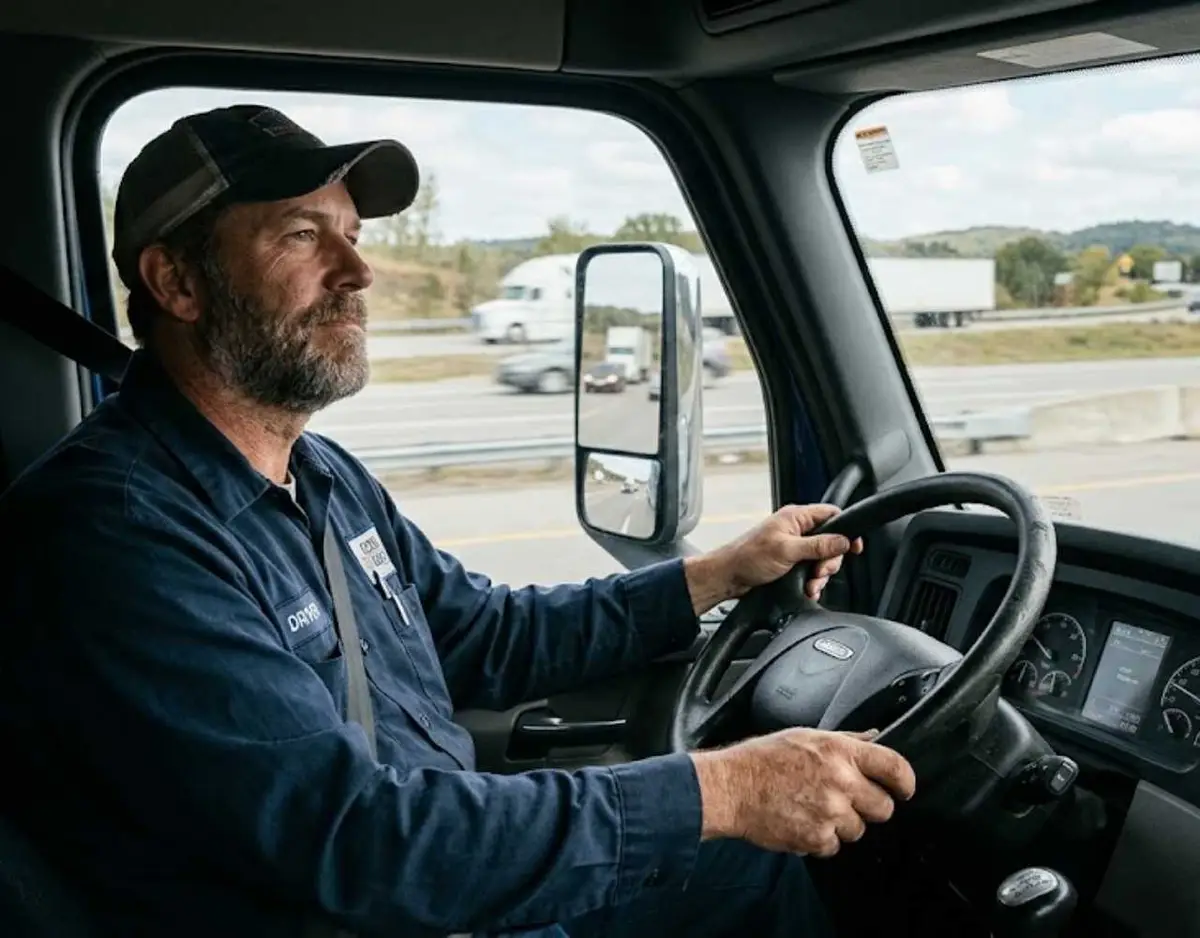
Losing your commercial driver’s license does more than take you off the road. It can end a paycheck, stall a career you spent years building, and put your whole household in a tight spot. Whether a DUI, a refused chemical test, or a string of traffic violations triggered the disqualification, Illinois gives you a defined path back to driving, and that path has real deadlines attached to it.
We’re Ktenas Law, an Illinois defense firm built entirely by former prosecutors. We know how the state builds these cases because our attorneys used to build them for the state. If you’re a CDL holder facing a suspension, disqualification, or the DUI charge that caused it, call us at (312) 800-1626 for a Free Case Review. We can also walk you through what a Chicago CDL attorney does for a driver in your position.
Getting a CDL back means fixing the reason it was taken, satisfying every court and state requirement tied to it, paying what is owed, and applying once the disqualification period has run. How long that takes depends on the underlying charge.

Here’s the direct answer: getting a suspended or disqualified CDL back in Illinois means confirming why it was taken, satisfying every court and state requirement tied to that reason, paying what’s owed, and then applying for reinstatement once the disqualification period has run. But the length of that road, and whether you have any way to shorten it, almost always traces back to the underlying charge. A driver who fights the DUI or traffic charge itself, and wins a better result on that charge, can change the entire disqualification calculation. A driver who does nothing about the underlying case is stuck with whatever penalty the conviction carries.
That’s the piece most reinstatement checklists skip. Reinstatement paperwork is something you or your employer’s compliance team can often handle directly with the Illinois Secretary of State. Defending the charge that put the disqualification on your record in the first place is where a defense attorney actually changes your outcome.
These two terms get mixed up constantly, and it matters which one applies to you. A Statutory Summary Suspension affects your personal driving privileges after a DUI arrest, and Illinois law gives you a narrow window to challenge it. A CDL disqualification is a separate federal and state penalty that applies specifically to your commercial driving privileges, and it can run alongside a personal license suspension or completely independent of one. This article covers CDL disqualification and the reinstatement process that follows it, not personal license reinstatement, which is a distinct legal process outside what our firm handles.
A statutory summary suspension and a CDL disqualification are two different penalties on two different timelines. Our CDL defense page separates them.
Illinois adopts the federal commercial driver disqualification rules under 625 ILCS 5/6-514, which mirrors the federal standard at 49 CFR 383.51(opens in a new tab). The specific violation behind your suspension decides how long you’re off the road.
If your case involves alcohol or drugs, one more federal layer applies. The FMCSA Drug and Alcohol Clearinghouse can place your CDL in prohibited status independent of any state suspension, and clearing that status requires a separate return to duty process with a substance abuse professional before you can drive a commercial vehicle again.
A lifetime disqualification sounds permanent, and for most drivers it is. But federal regulation carves out one narrow exception. Under 49 CFR 383.51, a state may reinstate a driver disqualified for life after 10 years if that person voluntarily completed an approved rehabilitation program and has not committed another disqualifying offense since. Commit one more disqualifying violation after that reinstatement, though, and the law does not give a second chance. This is a state-level decision with strict conditions, and it is worth discussing with an attorney before assuming a lifetime disqualification is the end of the road.

Illinois reinstatement follows a defined sequence. Skipping a step, or doing them out of order, is one of the most common reasons a reinstatement application gets delayed.
A reinstatement hearing puts you in front of a hearing officer from the Secretary of State’s Administrative Hearings Department, not a judge in a courtroom. You’ll need documentation showing you completed every required program, paid what you owed, and addressed the issue that caused the disqualification in the first place.
The hearing officer will also review your full driving record, not just the incident that led to this disqualification. A driver who shows up prepared, with records organized and a clear account of what changed since the violation, gives the hearing officer less reason to hesitate. A driver who shows up without documentation, or who can’t answer basic questions about their own case, often walks out with a denial and a long wait before they can try again.
Most CDL disqualifications tied to a DUI or traffic charge in the Chicago area move through Cook County courts, and the underlying criminal or traffic case often determines what the disqualification actually looks like. A charge that gets reduced, dismissed, or resolved through a diversion program can change the disqualification calculation entirely compared to a straight conviction. Our attorneys spent years on the other side of these courtrooms as Cook County prosecutors, which means we know the judges, the state’s attorneys, and the procedures a CDL holder is up against before the case even gets to a disqualification hearing.

A suspended CDL is an income problem today, but the charge behind it is the thing that decides your driving future. Fighting that charge, whether it’s a first DUI, a refusal, or a serious traffic violation, is the step that can shorten a disqualification, avoid a second offense from ever reaching your record, or keep a bad day from turning into a lifetime ban.
If your CDL has been suspended or disqualified, don’t wait to see what the state decides. Call Ktenas Law at (312) 800-1626 for a Free Case Review, or read more about how our Chicago criminal defense attorneys approach cases connected to a commercial license.
Every case is different, and the fastest way to understand where you stand is to talk to someone who has handled cases like yours. Call Ktenas Law at (312) 800-1626 for a Free Case Review.
Alexander Ktenas is a trial attorney in the Chicagoland area, known for his tenacious work ethic and deep knowledge of the law. As a managing partner at Ktenas Law, he has conducted many trials, applying an aggressive trial strategy to defend clients across criminal and DUI defense matters.
It depends entirely on the violation. Serious traffic violations can carry disqualifications as short as 60 days, while a first DUI runs one year and a second major offense runs for life. The clock starts from your conviction date, not your arrest date.
Often yes, if your personal driver’s license is valid and not separately suspended. A CDL disqualification and a personal license suspension are governed by different rules, so one does not automatically affect the other, though the same incident can sometimes trigger both.
In narrow cases, yes. Federal rules allow a state to reinstate a lifetime disqualification after 10 years if the driver completed an approved rehabilitation program and hasn’t committed another disqualifying offense since. It is not automatic, and it requires meeting specific conditions.
Most DUI and serious violation cases require an SR-22 certificate from your insurance provider, filed with the Illinois Secretary of State for a set period before reinstatement is complete.
A second DUI or refusal conviction, or any second major offense, results in a lifetime CDL disqualification under both Illinois and federal law. This is why fighting a first DUI charge carries extra weight for commercial drivers.