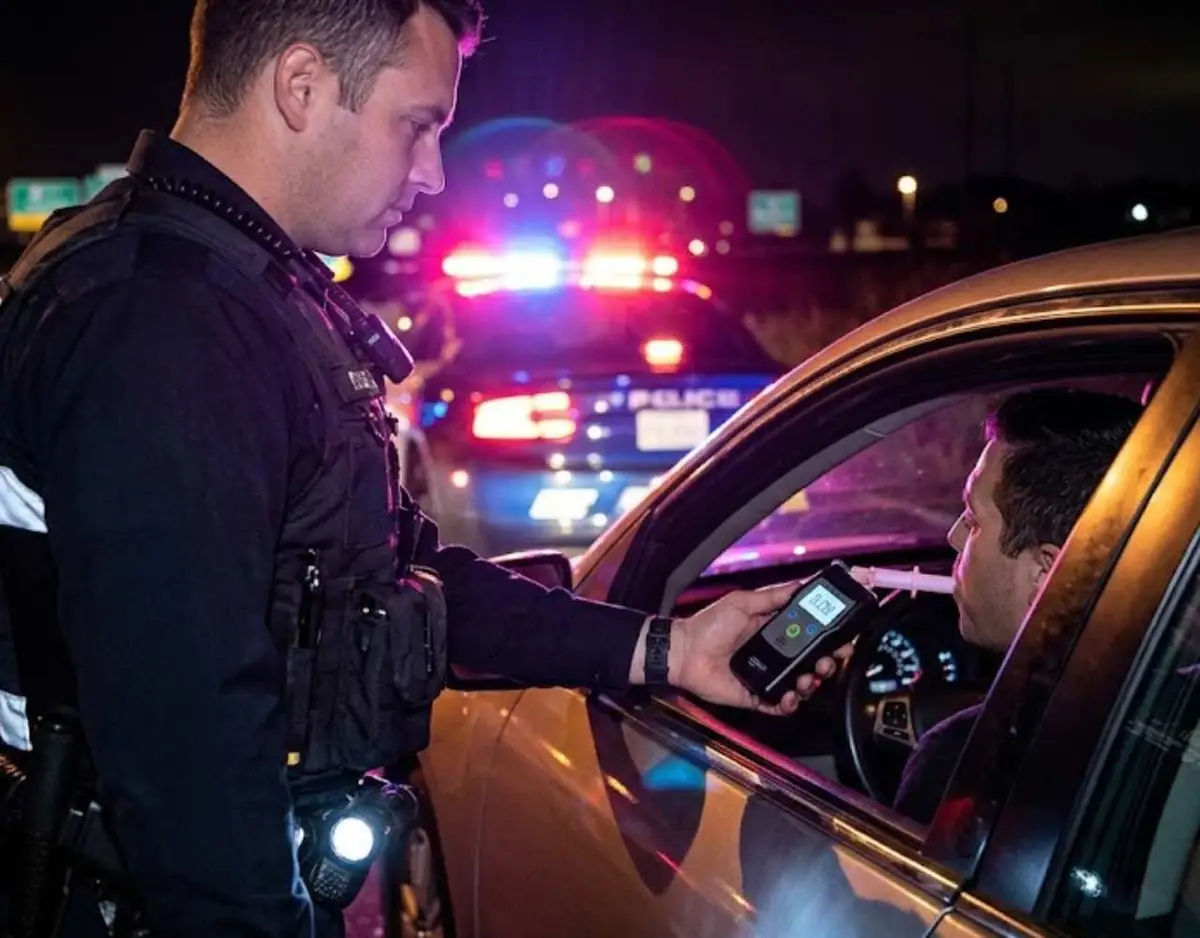
Blood Alcohol Concentration (BAC) in Illinois
 11/06/2026

A DUI conviction in Illinois does not disappear on its own, and it does not go away quietly either. Illinois keeps every DUI conviction on your record for life, with no lookback period that lets an old case age off. If you believe your trial was unfair, your rights were violated, or the court made a legal error, Illinois law gives you the right to ask a higher court to review that decision.
That right comes with a strict deadline. The appeals process is also a different kind of legal fight than the one you just went through. At Ktenas Law, our team includes former prosecutors from Cook County and Will County, and we walk clients through exactly what an appeal can and cannot do before they decide whether to move forward.

You generally have 30 days from sentencing to file a notice of appeal in Illinois. That deadline comes from Illinois Supreme Court Rule 606(b), and missing it usually ends the appeal before it starts. An appeal argues legal error, not a second look at the facts.
If you were found guilty at trial or entered a guilty plea, Illinois law allows you to appeal that judgment. Under Illinois Supreme Court Rule 606(b)(opens in a new tab), you generally have 30 days from the date of your sentencing to file a Notice of Appeal with the circuit court clerk. Miss that window and the appellate court loses the authority to hear your case at all, with only narrow exceptions for a late filing.
There is one detail that surprises a lot of people. If your DUI conviction came from a guilty plea rather than a trial, Illinois Supreme Court Rule 604(d) requires an extra step first. You must file a written motion asking the trial court to let you withdraw your plea or reconsider your sentence within 30 days of the judgment, before you can appeal at all. Skipping that motion can cost you the right to appeal entirely, even if you file within 30 days otherwise.
This section is the direct answer to the question people search for. Everything below explains how the process actually works once that notice is filed.
Most states let a DUI eventually roll off a driver’s record for charging purposes. Illinois does not. Under 625 ILCS 5/11-501(opens in a new tab), a prior DUI conviction counts against you for enhancement purposes no matter how long ago it happened. A conviction from 20 years ago carries the same weight as one from last year when a prosecutor decides whether a new charge is a first, second, or third offense.
That is part of why an appeal matters so much in Illinois specifically. A conviction that stands today can still affect a case that has not happened yet, sometimes decades from now. It also cannot be expunged or sealed once entered.
Illinois never lets a DUI conviction expire for enhancement purposes. A conviction from 20 years ago still counts, which our DUI defense page explains.
An appeal is not a second trial. The Illinois Appellate Court does not hear new witnesses, does not accept new evidence, and does not decide whether it personally agrees with the verdict. It reviews the written record from your case, including transcripts, evidence rulings, and jury instructions, and asks a narrower question: did the trial court make a legal or procedural error serious enough to change the outcome.
Common issues raised on a DUI appeal include how field sobriety or chemical test evidence was admitted, whether the traffic stop had a valid legal basis, whether jury instructions were correct, and whether a sentence fell outside what the law allows. None of these guarantee a different result. They give the appellate court a specific legal question to answer.

Once you decide to move forward, the Notice of Appeal is filed with the clerk of the circuit court where you were convicted, not with the appellate court itself. The notice needs to identify the judgment you are appealing and be served on the required parties, including the trial judge, the prosecutor’s office, and the court reporter.
After that notice is filed, a few deadlines follow quickly:
Every one of these steps has its own formatting and procedural rules. A missed step can slow the appeal down or, in some cases, waive an argument entirely.
The appellate court only knows what happened in your case through the record, so building that record correctly matters as much as the legal argument itself. The record includes the common law record, meaning every pleading, order, and document filed at the trial level, along with the report of proceedings, meaning the transcripts of what was actually said in court.
If something relevant is missing from the record, the appellate court generally will not consider it, even if it clearly happened. This is one of the reasons a DUI appeal benefits from an attorney who understands exactly what needs to be preserved and requested early.
Appeals move forward almost entirely in writing. Your attorney files an opening brief laying out the specific legal errors being challenged. The prosecutor’s office then files a response brief defending the conviction, and your attorney typically gets a chance to file a reply. No new facts enter the case at this stage, only legal argument about what already happened at trial.
Some appeals are decided on the briefs alone. Others include oral argument, where each side answers questions from a panel of appellate judges in person. Either way, the court eventually issues a written opinion. That opinion can affirm the conviction, reverse it, send the case back to the trial court for further proceedings, or modify the sentence.

An affirmed conviction is not automatically the end of the road, but the next step is discretionary rather than guaranteed. You can ask the Illinois Supreme Court to review the case through a Petition for Leave to Appeal under Illinois Supreme Court Rule 315. The Illinois Supreme Court does not have to accept the case, and it takes only a small share of the petitions filed each year, so this route depends heavily on whether the case raises an issue the court considers significant beyond the individual defendant.
An appeal is not the right move for every conviction, and it is not a way to relitigate frustration with the outcome. It fits situations where a specific, identifiable legal error affected the case, not simply a case that felt unfair in hindsight. Before that 30-day window closes, it is worth having someone review the trial record with exactly that question in mind: is there a real, preserved legal issue here, or not.
Our attorneys spent years on the prosecution side of DUI cases in Cook County and Will County courtrooms before moving to defense work. That background shapes how we read a trial record, because we know what a legally sound DUI prosecution looks like and where the gaps tend to show up.
If you were recently convicted of DUI in Illinois, the 30-day clock is likely already running. Waiting to see how you feel about it in a few weeks is not a safe option here, since a missed deadline generally cannot be undone. Call Ktenas Law today at (312) 800-1626 for a free case review.
Generally, 30 days from the date of sentencing, under Illinois Supreme Court Rule 606(b). If you pleaded guilty, you must first file a motion to withdraw the plea or reconsider the sentence within 30 days under Rule 604(d) before an appeal can proceed.
Not automatically. Your sentence and any license consequences generally continue while the appeal is pending unless the court grants a specific stay, which is not guaranteed.
You still have appeal rights, but Illinois Supreme Court Rule 604(d) requires filing a motion to withdraw the plea or reconsider the sentence in the trial court first, within 30 days of the judgment.
No. Illinois has no lookback period. Under 625 ILCS 5/11-501, a DUI conviction counts toward future charges no matter how much time has passed.