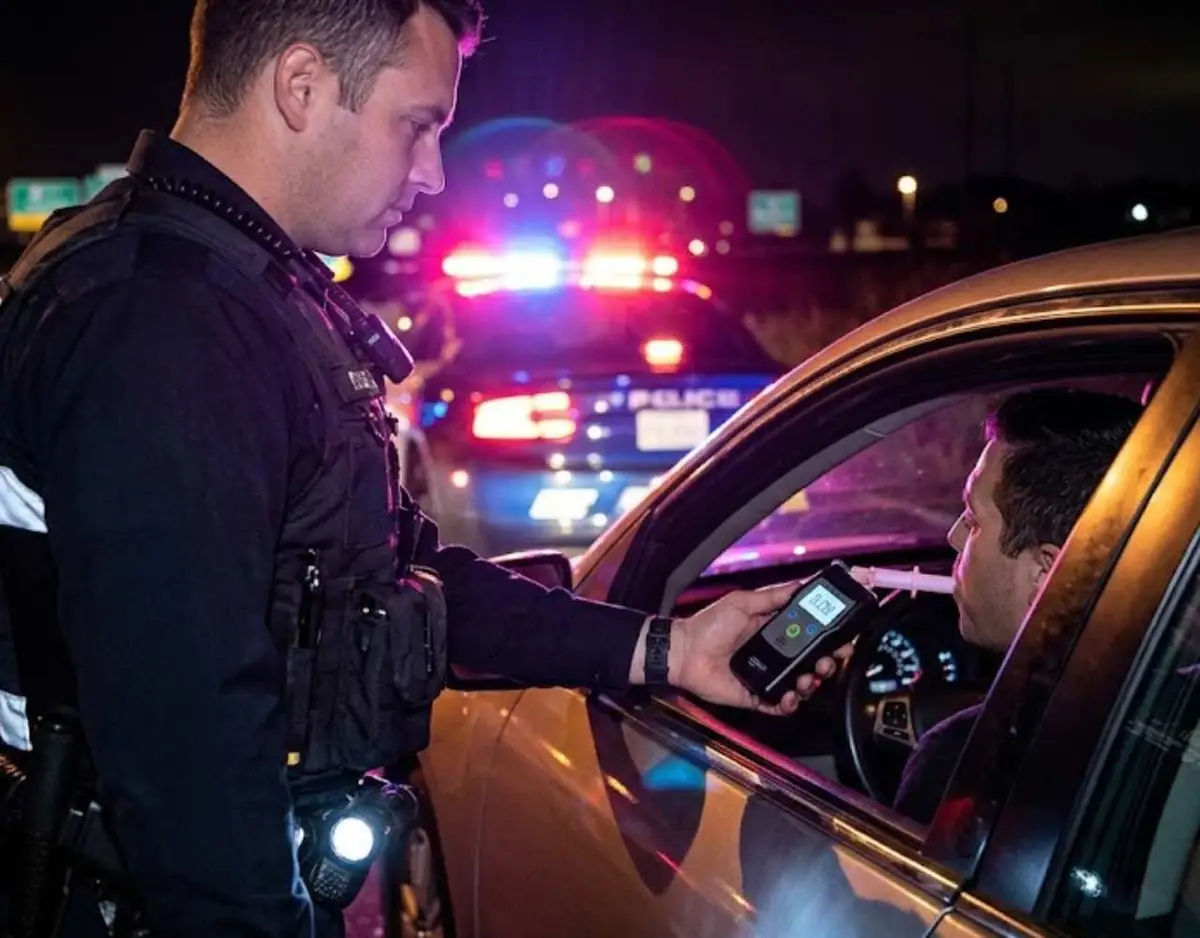
Blood Alcohol Concentration (BAC) in Illinois
 11/06/2026

Illinois backs its drunk driving laws with an Implied Consent Law. Accepting an Illinois license means agreeing in advance to a breath, blood, or urine test if an officer has reasonable grounds to believe you were driving under the influence. Refusing that test brings its own consequences, before your case ever reaches a courtroom.
If you were just arrested, you are probably asking what most first-time clients ask us: do I need a lawyer for a first DUI in Illinois? The short answer is yes. A first DUI can affect your license, your job, your insurance, and your permanent record, often before you have even seen a judge.
At Ktenas Law, our team is built entirely around Illinois DUI defense. Call us at (312) 800-1626 for a Free Case Review, or keep reading to understand exactly what you are facing.
Yes, even for a first offense. A first DUI in Illinois is a Class A misdemeanor carrying up to 364 days in jail and a fine of up to $2,500, the same classification used for some assault and theft charges. A charge is not a conviction, but the deadlines do not wait.

Yes, you need a lawyer, even for a first offense. A first-time DUI in Illinois is charged as a Class A misdemeanor, the same classification used for some assault and theft charges, carrying up to 364 days in jail and a fine of as much as $2,500. A charge is not a conviction, but handling it alone, or with an attorney who only occasionally takes DUI cases, puts you at a real disadvantage.
Illinois sets the legal blood alcohol concentration, or BAC, threshold at different levels depending on who is driving:
An arrest does not automatically become a conviction. But a defense built specifically around Illinois DUI law gives you a real chance to change how your case ends.
The penalties for a first DUI conviction depend heavily on the specific facts of your case, not just the charge itself. Here is what the law allows:
Most first-time offenders without those aggravating factors do not serve the maximum jail term, and many qualify for court supervision instead, which lets a judge withhold a formal conviction. Supervision keeps a conviction off your criminal record, though it still appears on your driving abstract and can affect a future DUI case. Illinois generally allows it only once in a lifetime, so how your first case gets handled matters well beyond the immediate penalty.
A blood alcohol reading of 0.16 or higher adds mandatory penalties on top of the base exposure. Our first DUI page breaks down what a first conviction carries.
One of the most common points of confusion after a DUI arrest is that two different legal processes run on two different timelines at the same time.
The statutory summary suspension is an automatic administrative penalty tied to your arrest and any chemical test result or refusal, separate from the criminal charge itself. It can take effect on day 46 after notice, whether or not your criminal case has resolved by then, and you have only 90 days to file a petition challenging it. Filing that petition does not pause the suspension while it is pending.
Your DUI case plays out separately in criminal court and can end in a conviction, court supervision, a reduction, or a dismissal. A conviction leads to a license revocation(opens in a new tab), a different action than the pre-trial suspension, with a minimum one-year revocation for a first offense. Winning one does not automatically resolve the other, so both need attention right away.

Many first-time offenders can keep driving during the statutory summary suspension period through a Monitoring Device Driving Permit, which generally requires installing a Breath Alcohol Ignition Interlock Device (BAIID) within about two weeks of approval. The device requires a breath sample before the vehicle starts and periodically while it is running.
After a conviction, if you need a Restricted Driving Permit to drive for work, school, medical care, or treatment during a revocation, a BAIID is generally required when:
Repeat offenders typically face longer BAIID requirements. These rules involve several overlapping permits, so review your specific situation with an attorney rather than assuming which category applies.
A common source of confusion is the difference between fighting your DUI case and getting your full license back after a revocation. These are two different legal processes, handled at two different stages.
Ktenas Law defends the criminal DUI charge and the statutory summary suspension hearing described above. License reinstatement after a revocation is a separate administrative process through the Illinois Secretary of State, and not every DUI defense firm provides it.
At a reinstatement hearing, the burden falls on you, not the state, to show a hearing officer that you are not a risk to public safety and that denying a permit would cause an undue hardship. Granting a permit is discretionary even when you meet the basic requirements, so if reinstatement becomes relevant to your situation later, ask your attorney directly whether that is something they handle.
Most first-time DUI cases stay misdemeanors. But Illinois law allows a first offense to be charged as a felony aggravated DUI when certain factors are present, such as:
A felony aggravated DUI conviction carries penalties far beyond a standard misdemeanor case, including significant prison exposure. If any of these factors apply to your arrest, working with an attorney who handles Illinois DUI cases every day matters even more.
A defense attorney’s first job is understanding exactly what the state has, and does not have, before deciding on a strategy. That review typically covers:
Illinois has no blanket rule against negotiating a DUI down to a lesser offense like reckless driving, but it is not automatic or common. Reductions tend to happen only when one of the areas above reveals a real weakness in the state’s evidence, and an attorney who reviews these details closely is often the difference between a permanent conviction and a less damaging outcome.
Picking a DUI attorney under time pressure is hard, especially with the 90-day suspension hearing window already running. A few questions can help you evaluate any attorney you are considering, including us:
You do not need to interview a dozen firms to find the right fit. You need an attorney who focuses on this area of law, communicates clearly, and can explain exactly what happens next in your case.

Ktenas Law was built around one focus: defending DUI charges in Cook County, Will County, and the surrounding Chicago area. All three of our attorneys previously worked as prosecutors:
We have represented clients across Cook County and Will County facing first-time, repeat, and felony DUI charges, which is exactly why clients come to us when a DUI charge, even a first one, needs to be taken seriously. Past results do not guarantee future outcomes, and results vary depending on the specific facts and legal circumstances of each case.
A first DUI charge can feel manageable on your own, but between the suspension clock, the criminal case, and the long-term record consequences, it carries more moving parts than most people expect. At Ktenas Law, our attorneys’ backgrounds as former Cook County and Will County prosecutors shape how we approach every case we take on.
Call us at (312) 800-1626 for a Free Case Review, or reach out online to talk through what a first DUI charge means for your specific situation.
No. A first DUI is a Class A misdemeanor with jail exposure of up to 364 days, but most first-time offenders without aggravating factors do not serve that maximum, and many qualify for court supervision instead.
Your statutory summary suspension is an automatic administrative penalty that can take effect on day 46 after notice, regardless of your case’s status. Your DUI charge is a separate criminal matter decided in court, and resolving one does not automatically resolve the other.
Often, yes. Many first-time offenders qualify for a Monitoring Device Driving Permit, which allows continued driving once a BAIID is installed, depending on your test results and prior record.
Yes, in certain circumstances. Illinois can charge even a first DUI as felony aggravated DUI when factors like great bodily harm, a death, or driving without a valid license or insurance are involved.
Faster than most people expect. You generally have only 90 days to request a hearing challenging your suspension, and the suspension itself can begin on day 46 regardless of whether that hearing has happened yet.
It depends on how the case resolves. A conviction generally stays on your record unless later expunged or sealed, while completed court supervision avoids a conviction but still appears on your driving abstract.