


Blood Alcohol Concentration (BAC) in Illinois
 11/06/2026

A felony conviction does not just cost time behind bars. In Illinois, it also takes away your right to own or carry a firearm. If police or prosecutors believe you broke that rule, you could face a charge, commonly called felon in possession of a firearm or unlawful possession of a weapon by a felon.
This charge carries a mandatory prison sentence, even for a first offense. At Ktenas Law, our team of former Cook County and Will County prosecutors builds gun charge defenses that start with the same question the state has to answer: can prosecutors actually prove every part of this charge?

Yes, it is illegal. A person with a felony conviction from any state or federal court cannot knowingly possess a firearm, ammunition, or certain other weapons in Illinois. It applies on your person, in your car, in your home, or at your business, and it does not matter who bought it.
Yes. Under Illinois law, a person convicted of a felony, whether in Illinois or in any other state or federal court, cannot knowingly possess a firearm, firearm ammunition, or certain other prohibited weapons. This applies whether the item is on your person, in your car, in your home, or at your business. It does not matter who purchased the gun, whether you intended to use it, or whether it technically belongs to someone else in the house. The one built-in exception is for someone who has already been granted relief by the Illinois State Police Director under the Firearm Owners Identification Card Act. Short of that formal relief, possession alone is enough to support this charge.
This is different from a general unlawful use of a weapon charge, which can apply to anyone regardless of criminal record. This page covers the specific, more serious charge that applies once a felony conviction is already on your record.
Illinois law refers to this offense two ways: unlawful use of a weapon by a felon and unlawful possession of a weapon by a felon. Both point to the same statute, 720 ILCS 5/24-1.1(opens in a new tab). Prosecutors do not have to prove you fired the gun or even touched it at the moment police found it.
Illinois recognizes two kinds of possession:
Constructive possession cases are often harder for the state to prove, since prosecutors have to connect a specific person to a specific weapon in a specific location, not just point to where the gun turned up.
Prosecutors do not have to prove you fired the gun or even touched it. Our gun charge defense page explains how constructive possession works.
Illinois treats every violation of this law as a felony. The exact classification depends on your record and the circumstances of the arrest:
Because the statute sets a specific prison term for each of these tiers, judges generally do not have the option to sentence someone to probation once a conviction is entered. That is one reason an early, thorough defense matters so much.
If someone has two or more prior convictions for a forcible felony or certain other serious offenses, prosecutors may instead pursue a related charge: unlawful possession of a firearm by a repeat felony offender under 720 ILCS 5/24-1.7, often called being an armed habitual criminal. That charge is a Class X felony on its own.
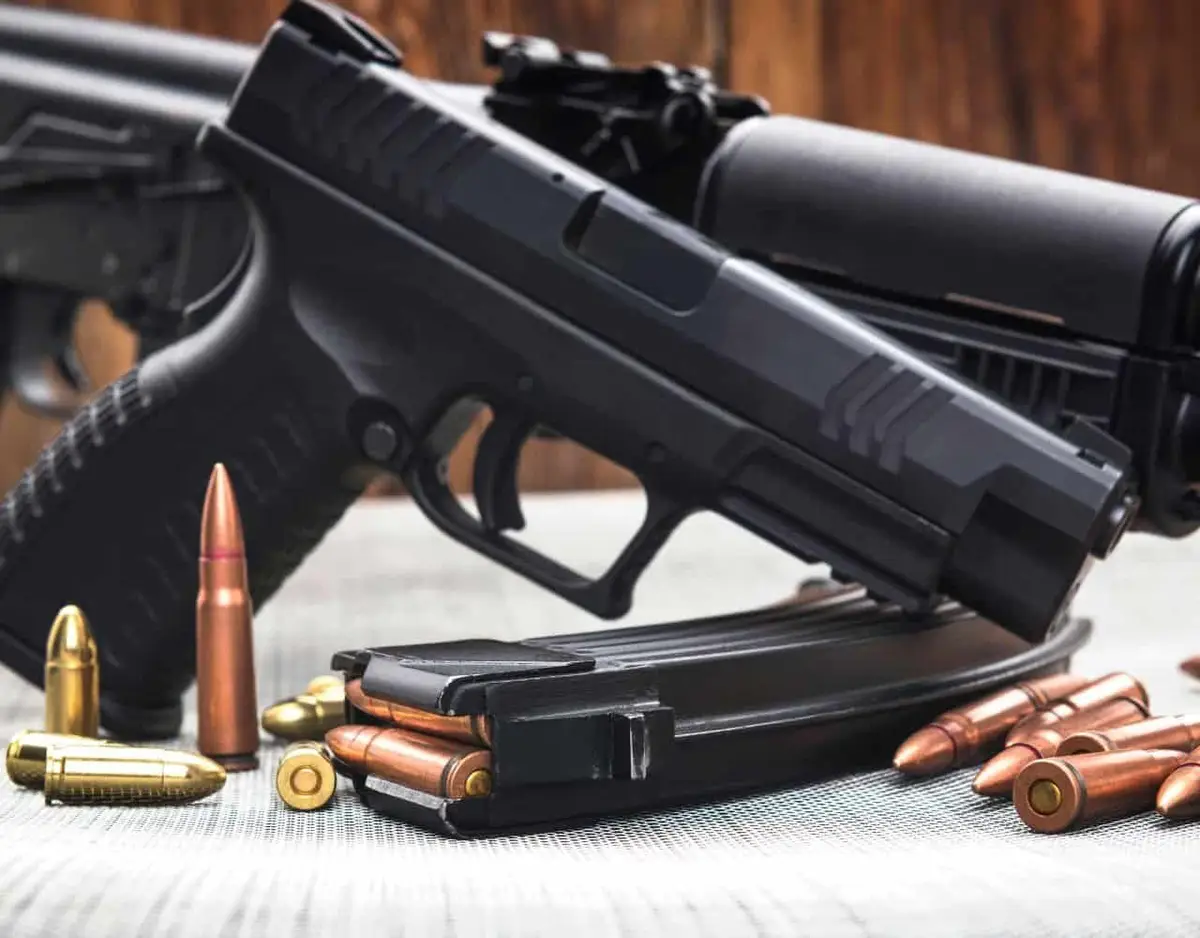
To convict someone under this law, the state has two separate jobs. First, prosecutors must prove a qualifying prior felony conviction exists, whether that conviction happened in Illinois, another state, or federal court. Second, they must prove knowing possession of a firearm, firearm ammunition, or a prohibited weapon at the time and place charged.
If the state cannot prove either part beyond a reasonable doubt, the charge does not hold up. A charge is not a conviction, and the right defense depends on the specific facts of the arrest, the evidence collected, and how that evidence was gathered.
Every gun possession case turns on the details, and our attorneys review each one the way a prosecutor would before deciding on a strategy. Common areas we look at include:
Nick Ktenas, one of our founding partners and a former Cook County felony prosecutor, built his reputation auditing exactly this kind of evidence: search records, officer paperwork, and chain-of-custody documentation. That background now works for our clients instead of the state.

Most felony gun possession arrests in Chicago and the south suburbs start at a branch courthouse near where the arrest happened, for an initial bond hearing. From there, felony matters like this one typically move to the George N. Leighton Criminal Court Building at 26th Street and California Avenue in Chicago, where Cook County handles felony arraignments, hearings, and trials.
If the arrest happened in the Frankfort or New Lenox area, the case may instead proceed through the Will County Courthouse in Joliet. Alex Ktenas spent years as a Cook County prosecutor in both the Chicago and Markham courthouses, and Lauren Ktenas previously prosecuted felony matters in Will County. That combined background means our attorneys already know the courtrooms, the local prosecutors, and how these cases typically move through the system.
A felon in possession charge often lands on someone who is already rebuilding a life after a past conviction. The mandatory prison exposure in this statute means the stakes are high from the moment charges are filed, not just at sentencing. Our attorneys handle these cases with the same precision we bring to every case in our practice, reviewing the search, the evidence, and the record for every opening the law allows.
If you or someone you love is facing a felon in possession charge in Cook County, Will County, or the surrounding area, do not wait to get answers. Call Ktenas Law (312) 800-1626 for a free case review, or reach out through our contact form to talk with our team about what happens next.
Possibly. Illinois recognizes constructive possession, which means a person can be charged if a firearm is found somewhere they control, such as a shared car or home, even if someone else owns it. Whether the state can actually prove that connection is often the central issue in these cases.
In limited circumstances, yes. Illinois law allows a person to request relief from the Illinois State Police Director under the Firearm Owners Identification Card Act. This is a separate legal process from defending a pending charge, and an attorney can explain whether it may apply to a specific situation.
Yes. Illinois treats every violation of this law as a felony, starting at a Class 3 felony with 2 to 10 years in prison for a first offense and rising to a Class 2 or Class X felony depending on the person’s record and the circumstances of the arrest.
Given the mandatory prison exposure and the technical issues involved in proving possession, most people benefit from having an attorney review the case before their first court date, not after.