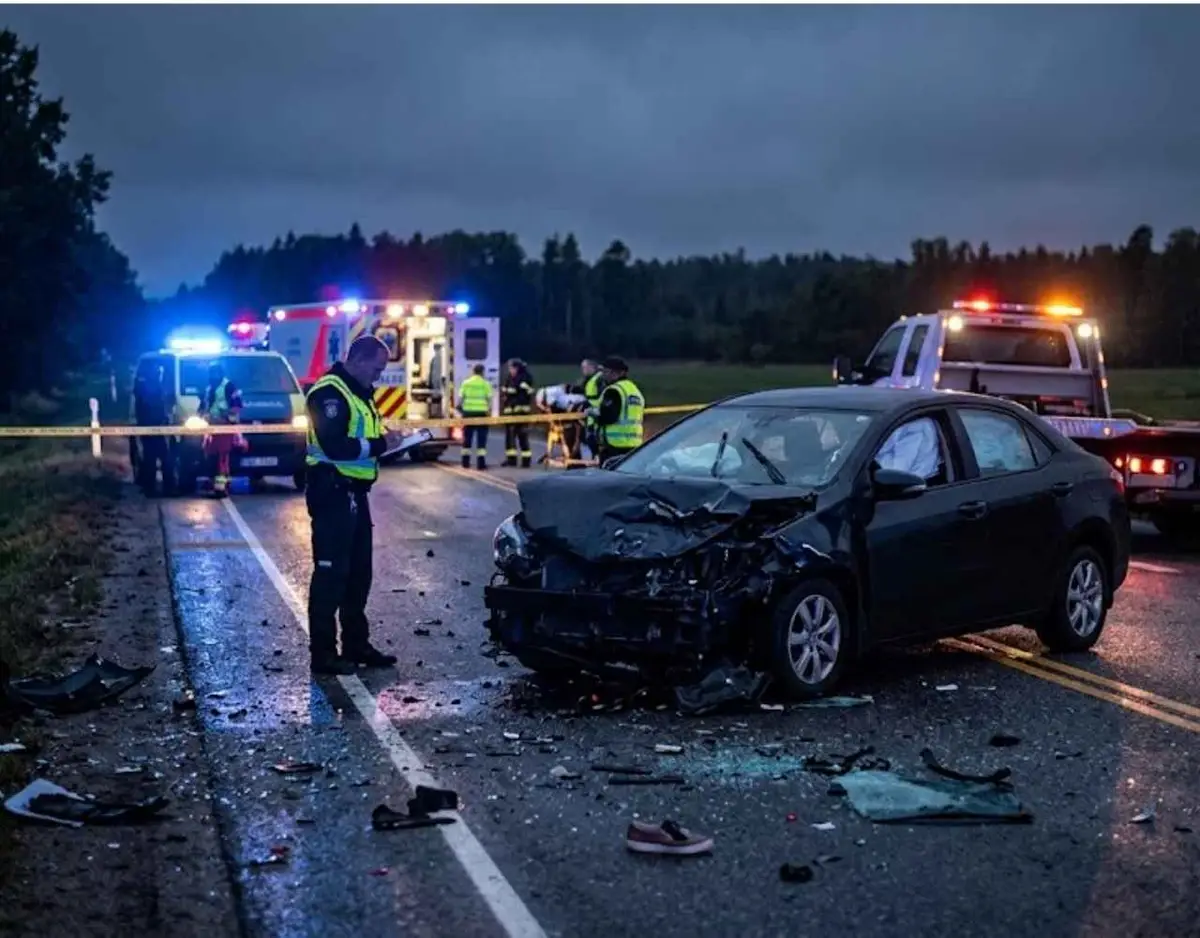
Felony DUI in Will County: How Aggravated DUI Cases Move Through Joliet
 11/17/2026
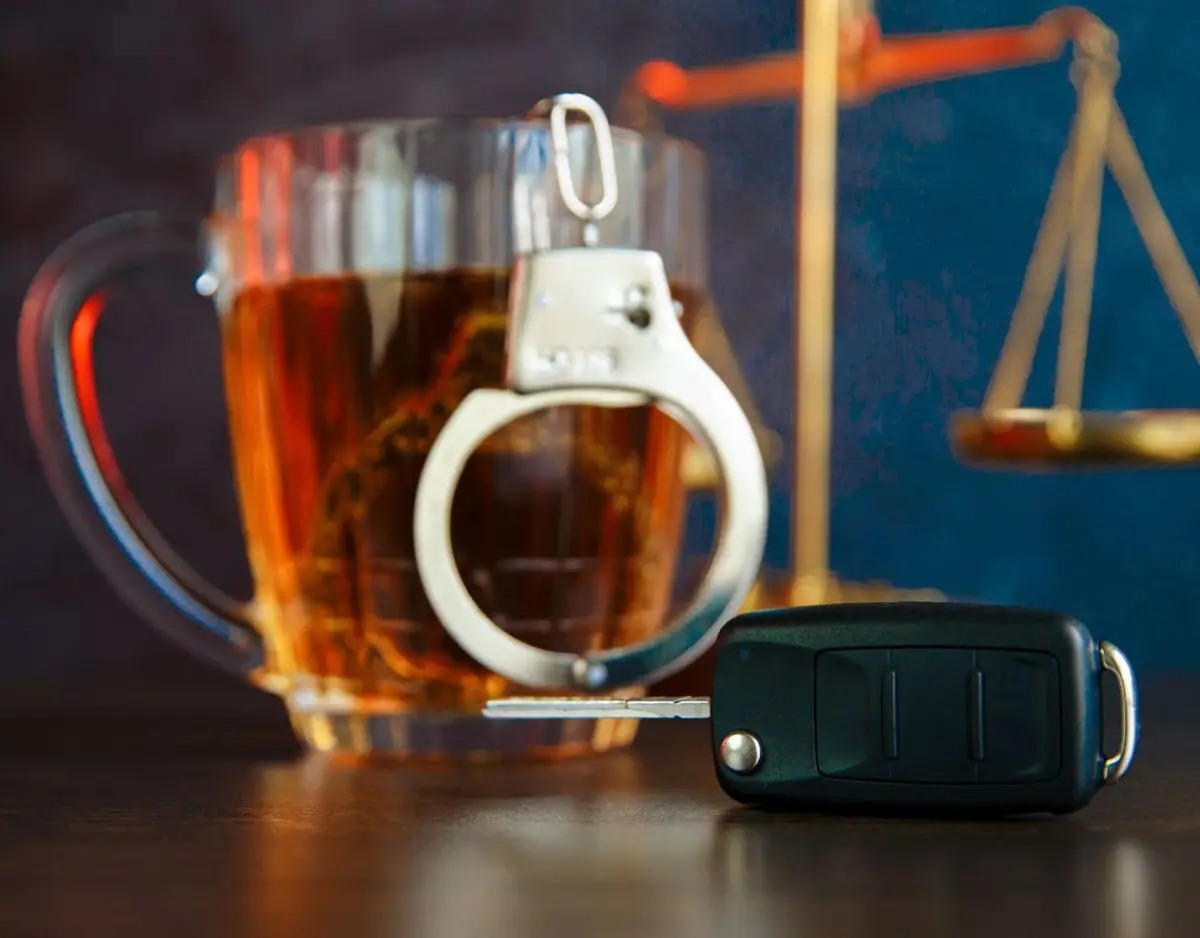
If you were arrested for a second DUI in Cook County, the case in front of you works differently than your first one did. Illinois law removes options on a second offense that were available the first time around, and it adds mandatory consequences a judge cannot waive.
At Chicago DUI Lawyers, our attorneys are former Cook County and Will County prosecutors. We built our practice around DUI defense specifically, and a second-offense case is exactly the kind of matter where knowing how the state builds these cases from the inside matters most. Call (312) 800-1626 for a free case review.

A second DUI in Illinois is still typically a Class A misdemeanor, but the judge loses discretion. On conviction the court must impose either 5 days in jail or 240 hours of community service, and it cannot suspend or reduce that minimum.
A second DUI in Illinois is still typically charged as a Class A misdemeanor, the same classification as a first offense. What changes is what the court is allowed to do with it.
If you are convicted, the judge must impose either a minimum of 5 days in jail or 240 hours of community service. The court cannot suspend or reduce that minimum (625 ILCS 5/11-501(c)(2)(opens in a new tab), (f)). Court supervision, the disposition that lets many first-time offenders avoid a conviction entirely, is off the table once you have a prior DUI conviction or a prior DUI supervision on your record (730 ILCS 5/5-6-1(d)(opens in a new tab)). If the state proves the charge, a conviction is close to automatic.
On the license side, a conviction triggers a mandatory revocation, not a suspension. If this is your second DUI within 20 years of the first, you cannot even apply to get your license back for 5 years from the revocation date. You will also be required to install an ignition interlock device, known as a BAIID, on every vehicle you own for at least 5 years.
Those are the headline consequences. The sections below walk through why each one applies and what it means for your specific situation.
Illinois treats DUI cases differently the moment there’s a prior offense on your record, and it happens in two separate systems that run on their own timelines.
The first system is administrative. Illinois’ implied consent law creates a statutory summary suspension the moment you’re arrested and either fail or refuse chemical testing, regardless of what happens in your criminal case later (625 ILCS 5/11-501.1(opens in a new tab)). For a first offender, that suspension runs 6 months after a failed test or 12 months after a refusal. If you’re a “non-first offender,” meaning you have a prior DUI conviction or supervision, or a prior DUI-related license suspension or revocation within the past 5 years, those periods jump to 1 year for a failed test and 3 years for a refusal.
The second system is criminal, and it only kicks in if you’re convicted. That’s where the mandatory jail or community service minimum, the felony-level license revocation, and the interlock requirement come from. Time you already served under the administrative suspension gets credited against the criminal revocation period, but the two are legally separate consequences that can overlap in time without being the same thing.

The administrative suspension and the criminal case run on separate clocks, and the suspension starts first. Our multiple DUI defense page explains both.
A Class A misdemeanor in Illinois carries up to 364 days in jail and a fine of up to $2,500. A second DUI conviction sits inside that same range, but with a floor the judge cannot go below: at least 5 days in jail or 240 hours of community service, on top of any other sentence.
If your blood alcohol concentration was 0.16 or higher at the time of the second offense, the law adds to that floor. You’re looking at a mandatory minimum of 2 additional days in jail and a fine of at least $1,250.
Two things tend to surprise people about this part of the law:
A second DUI is not automatically a felony. Illinois reserves felony “aggravated DUI” treatment for specific circumstances, most of which apply regardless of offense count: a crash causing great bodily harm, driving without a valid license or insurance, driving on a license already suspended or revoked for a prior DUI, or a third or subsequent offense.
One factor applies specifically to a second offense: if you were transporting someone under 16 at the time of your second violation, that alone elevates the charge to aggravated DUI, a Class 2 felony, carrying a mandatory $2,500 fine and 25 days of community service in a program benefiting children.
The state still has to prove the same core elements it would on a first offense: that you were driving or in actual physical control of a vehicle, and that you were either impaired or had a blood alcohol concentration of 0.08 or higher, or had a prohibited drug or drug concentration in your system.
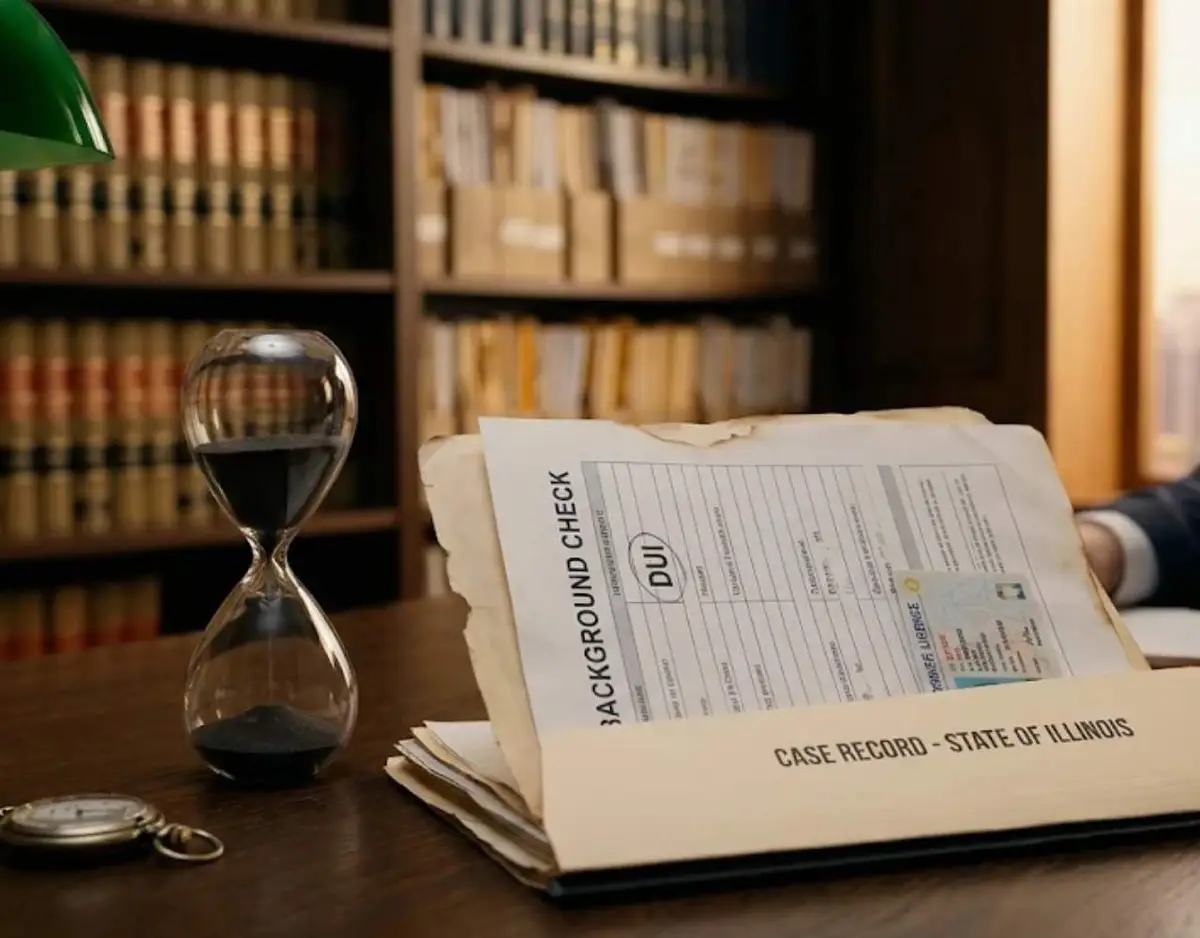
In a second-offense case, the state also has to prove the prior conviction to trigger the enhanced penalties. Illinois law allows the state to use a certified copy of your driving abstract as proof of the earlier conviction. Whether that prior actually qualifies as a “similar provision” under the statute, and whether it was properly obtained and recorded, is a real point of contested litigation in these cases rather than a formality.

Because court supervision isn’t available and the mandatory minimums apply automatically once a conviction is entered, the defense work on a second DUI case has to happen earlier and push harder than it would on a first offense. We don’t promise a dismissal or a specific result. What we do is examine every part of the case that has to hold up for a conviction to stand:
Nick Ktenas built the firm’s approach to the evidentiary side of these cases: auditing breathalyzer maintenance logs and officer field notes line by line rather than taking the state’s paperwork at face value.
Second-offense DUI cases in Chicago typically move through the Cook County court system, either downtown or at a branch courthouse depending on where the arrest occurred. Cases arising in the south suburbs, including Orland Park, Tinley Park, Homewood, and Frankfort, are often handled out of the Markham courthouse. Cases tied to Frankfort and the surrounding area may also involve Will County courts.
Alex Ktenas built his background as a prosecutor across both the Chicago and Markham state’s attorney’s offices, which means he’s seen how these specific courtrooms handle repeat-offense DUI cases from the other side of the table. Lauren Ktenas brings that same insider view from her time as a Will County prosecutor.
A second DUI case doesn’t leave much room for a generic approach. Court supervision is gone, the sentencing floor is fixed, and the license consequences are triggered automatically by a conviction. That combination means the defense has to focus on whether the state can actually prove its case, not on negotiating around penalties that no longer have flexibility built in.
Our firm handles DUI defense exclusively in Illinois. Alex Ktenas spent his career as a Cook County prosecutor before founding the firm, work he continues today as President of the South Suburban Bar Association. Nick Ktenas, a former Cook County felony prosecutor, applies that same prosecutorial background to auditing the state’s evidence for weaknesses. Lauren Ktenas adds a former Will County prosecutor’s perspective for cases that touch that county’s courts. Between the three of them, the firm approaches a second-offense case the way the people who used to charge these cases would.
A second DUI conviction carries consequences a judge cannot reduce and a license outcome that starts running the moment you’re charged. The sooner an attorney reviews your case, the more options stay open. Contact Ktenas Law today at (312) 800-1626 for a free consultation.
No. A second DUI is typically still a Class A misdemeanor. It becomes a felony “aggravated DUI” only under specific circumstances, such as a crash causing great bodily harm, driving without a valid license or insurance, or transporting someone under 16 during the second violation.
No. Once you have a prior DUI conviction or a prior DUI supervision on your record, court supervision is not available for a new DUI charge, and a conviction is the only possible outcome if the state proves its case.
If the second conviction happens within 20 years of the first, you cannot apply to get your license back for at least 5 years from the effective date of the revocation. Outside that 20-year window, the standard 1-year application wait applies instead.
Yes. Illinois requires a Breath Alcohol Ignition Interlock Device on every vehicle you own for a minimum of 5 years following a second or subsequent DUI conviction.