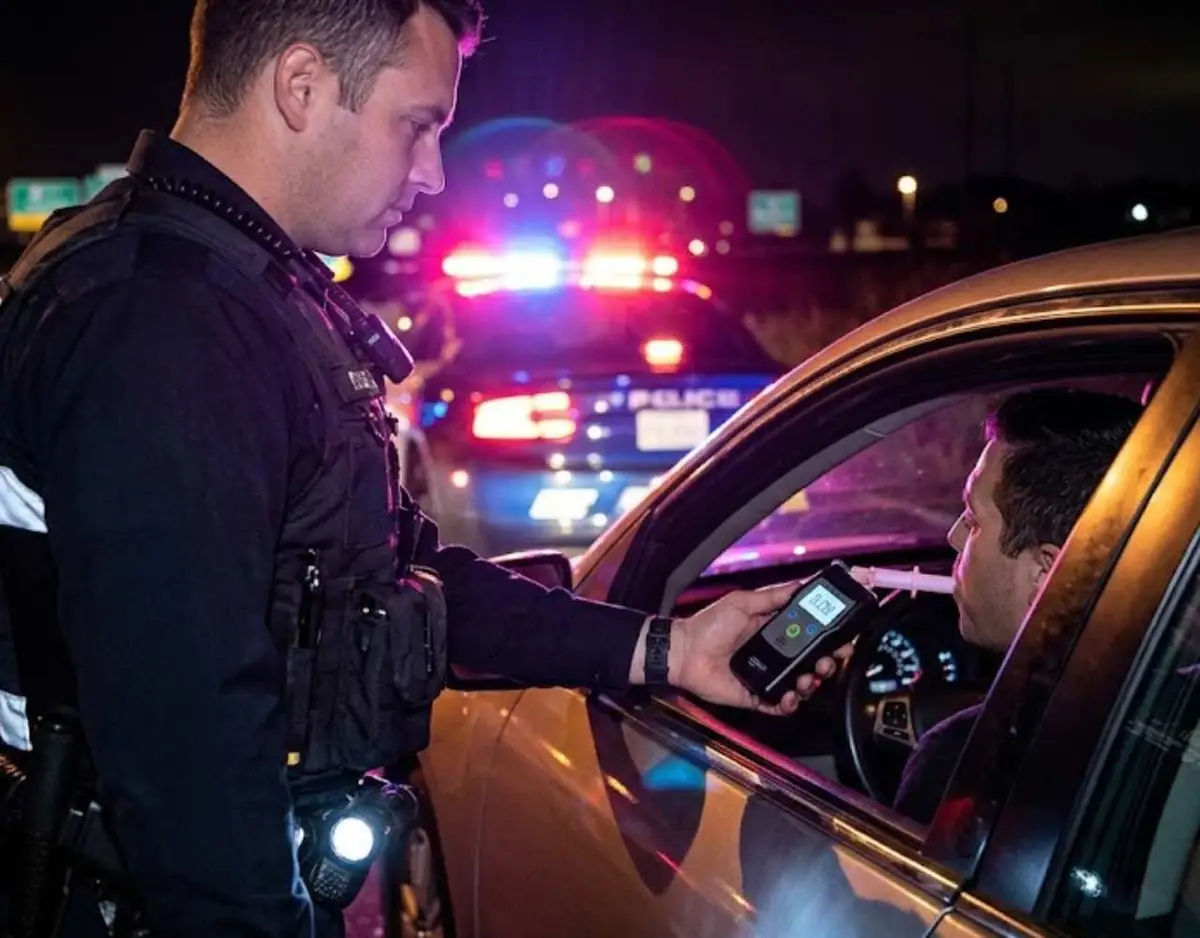
How Long Does a DUI Stay on Your Record in Illinois?
 11/10/2026
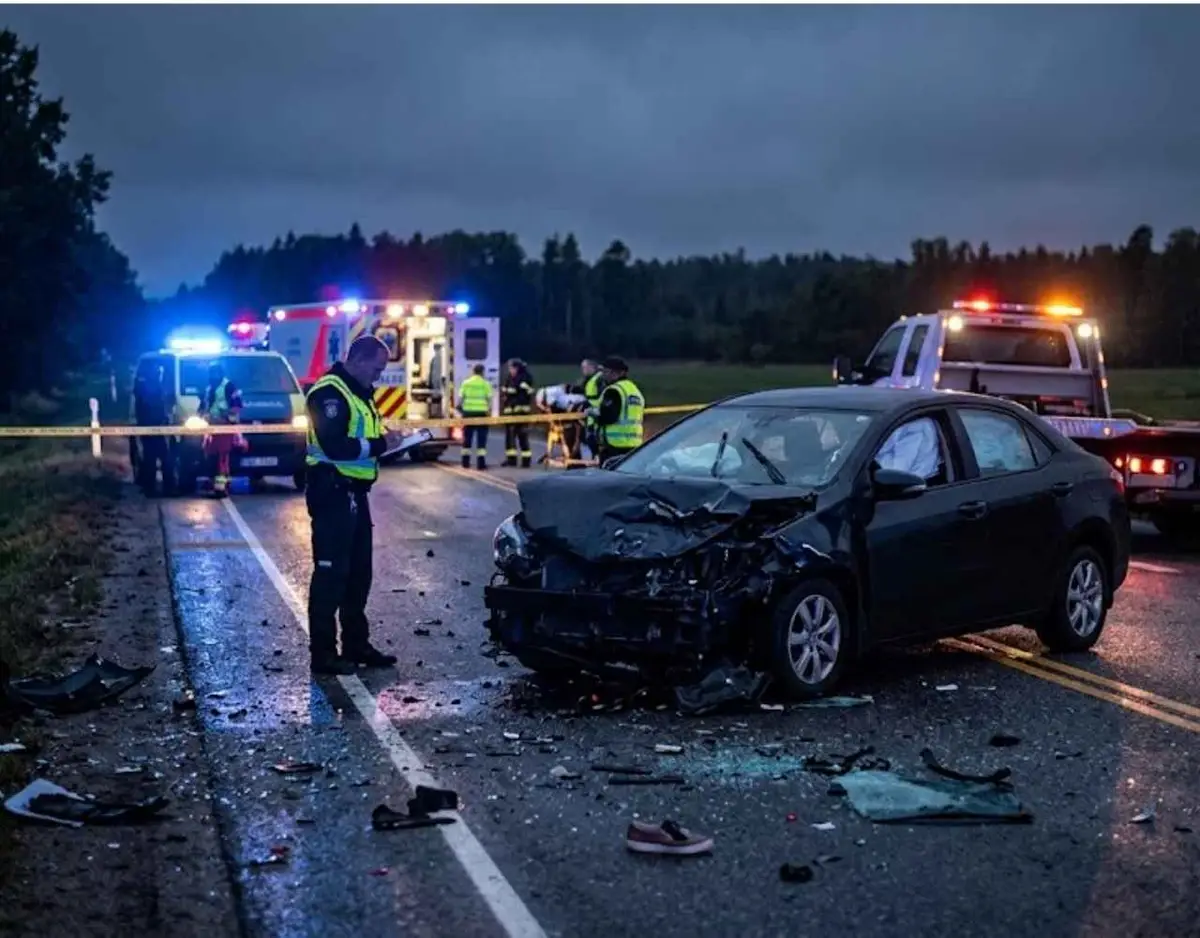
If police believe alcohol or drugs played a role in a fatal crash, the driver can face some of the most serious felony charges in Illinois criminal law.
Most people call this “DUI homicide,” but Illinois law does not use that label. Prosecutors choose between several distinct charges, and that choice shapes the entire case. At Ktenas Law, our criminal defense attorneys are former prosecutors who defend people facing these charges across Cook and Will counties.

In most cases, prosecutors file aggravated DUI causing death, a Class 2 felony under Illinois law. When they cannot prove impairment, they may file reckless homicide, usually a Class 3 felony under the law. First-degree murder charges are rare and require proof that the driver knew their actions created a strong probability of death or great bodily harm.
| Charge | Illinois statute | Felony class | Key element the State must prove |
|---|---|---|---|
| Aggravated DUI causing death | 625 ILCS 5/11-501(d)(1)(F)(opens in a new tab) | Class 2 | DUI was a proximate cause of the death |
| Reckless homicide | 720 ILCS 5/9-3(opens in a new tab) | Class 3 (Class 2 in certain zones) | Driver acted recklessly and caused the death |
| Second-degree murder | 720 ILCS 5/9-2(opens in a new tab) | Class 1 | First-degree murder plus a mitigating factor |
| First-degree murder | 720 ILCS 5/9-1(opens in a new tab) | Murder (own sentencing range) | Intent or knowledge of a strong probability of death |
This charge starts with an ordinary DUI violation, meaning driving under the influence as defined in 625 ILCS 5/11-501(a)(opens in a new tab). That could mean a blood alcohol concentration of 0.08 or more, impairment by alcohol or drugs, or certain drug levels in the body. The State then adds one more element: the driver was in a fatal crash.
Proximate cause means the DUI violation was a legal cause of the death, not just present at the scene. This element matters more than most people realize.
A driver can have alcohol in their system and still not be the reason a crash happened. A pedestrian crossing a dark road, another driver running a red light, or dangerous road conditions can all break the link between impairment and the death. A defense attorney tests this element closely.
Under the statute, a conviction carries 3 to 14 years in prison for one death and 6 to 28 years for two or more deaths. Probation is only available if the court finds that extraordinary circumstances exist. That makes the three-year floor function like a mandatory minimum sentence in most cases.
Good conduct credit is also limited. Illinois Department of Corrections rules under Illinois law allow no more than 4.5 days of credit per month for this offense, which means serving most of the sentence.
Related:
Learn more about
cases
Reckless homicide applies when a driver unintentionally kills someone while driving recklessly. Criminal recklessness means consciously ignoring a serious, unjustifiable risk. Simple carelessness is not enough.
Prosecutors often use this charge when chemical test results are weak or excluded, relying instead on evidence of reckless driving like extreme speed. Reckless homicide is a Class 3 felony, punishable by 2 to 5 years in prison. It becomes a Class 2 felony with longer exposure in certain settings, including school crossing zones and construction zones.
Many people search for “DUI manslaughter.” Illinois has no crime by that name. The involuntary manslaughter statute specifically excludes deaths caused by driving a motor vehicle. Those cases become reckless homicide instead.

Murder charges after a fatal DUI crash are rare, but they do happen. Whether the State can bring one depends on what it can prove about the driver’s state of mind, not just their blood alcohol level.
First-degree murder requires more than drunk driving. The State must show the driver intended to kill or cause great bodily harm, or knew their conduct created a strong probability of death or great bodily harm. Prosecutors reserve this theory for extreme facts, such as deliberately driving into people.
Second-degree murder is not a lesser DUI charge. It applies only when the elements of first-degree murder exist along with serious provocation or an unreasonable belief that the killing was justified. These facts rarely appear in a crash case.
Every charge above turns on evidence, and in fatal crash cases that evidence falls into two main groups: what the driver’s body showed and what the vehicles showed.
Police almost always seek a blood draw after a fatal crash. We review when the sample was taken, chain of custody, and lab procedures, since Blood Alcohol Concentration (BAC) test results drawn hours later may not reflect the driver’s state at the moment of impact. If a breathalyzer test was used, breathalyzer calibration records matter too.
Accident reconstruction often decides the proximate cause question. Most modern vehicles have an event data recorder that captures speed, braking, and steering in the seconds before impact. An independent accident reconstructionist can test the State’s version of events against that data.
Other key evidence includes:
Some cases also raise mistaken identity, such as a dispute over who was driving.
Related:
Learn more from our
and where your case stands
A felony conviction leaves a permanent criminal record. It can also bring:

Did you know?
Ktenas Law offers
Alex Ktenas served as an assistant state’s attorney in Cook County at both the Chicago and Markham courthouses. Lauren Ktenas prosecuted cases in Will County. That courtroom experience shows us how the State builds felony aggravated DUI cases, where they are weak, and how plea negotiations unfold.
A charge is not a conviction. The right defense depends on the evidence, the charge, and the court handling your case.
If you or a family member faces an aggravated DUI charge after a fatal crash, early legal representation matters. Event data recorder information and video footage can disappear quickly. Call (312) 800-1626 and request your free consultation today. We will review the facts and explain your options.
This article is for informational purposes only and does not constitute legal advice. Every case is unique. Readers should consult a licensed Illinois attorney about their specific situation.
Yes. Aggravated DUI causing death is a Class 2 felony under 625 ILCS 5/11-501(d)(1)(F). Reckless homicide is usually a Class 3 felony under 720 ILCS 5/9-3.
The statute sets 3 to 14 years in prison for one death and 6 to 28 years for two or more deaths. Probation is only possible if the court finds extraordinary circumstances.
Aggravated DUI causing death requires proof of a DUI violation that was a proximate cause of the death. Reckless homicide requires proof of reckless driving that caused the death, with or without impairment.
Yes. Illinois law requires the Secretary of State to revoke the license of a driver convicted of reckless homicide or DUI.