Ignition Interlock Device Program Illinois BAIID
 11/21/2026
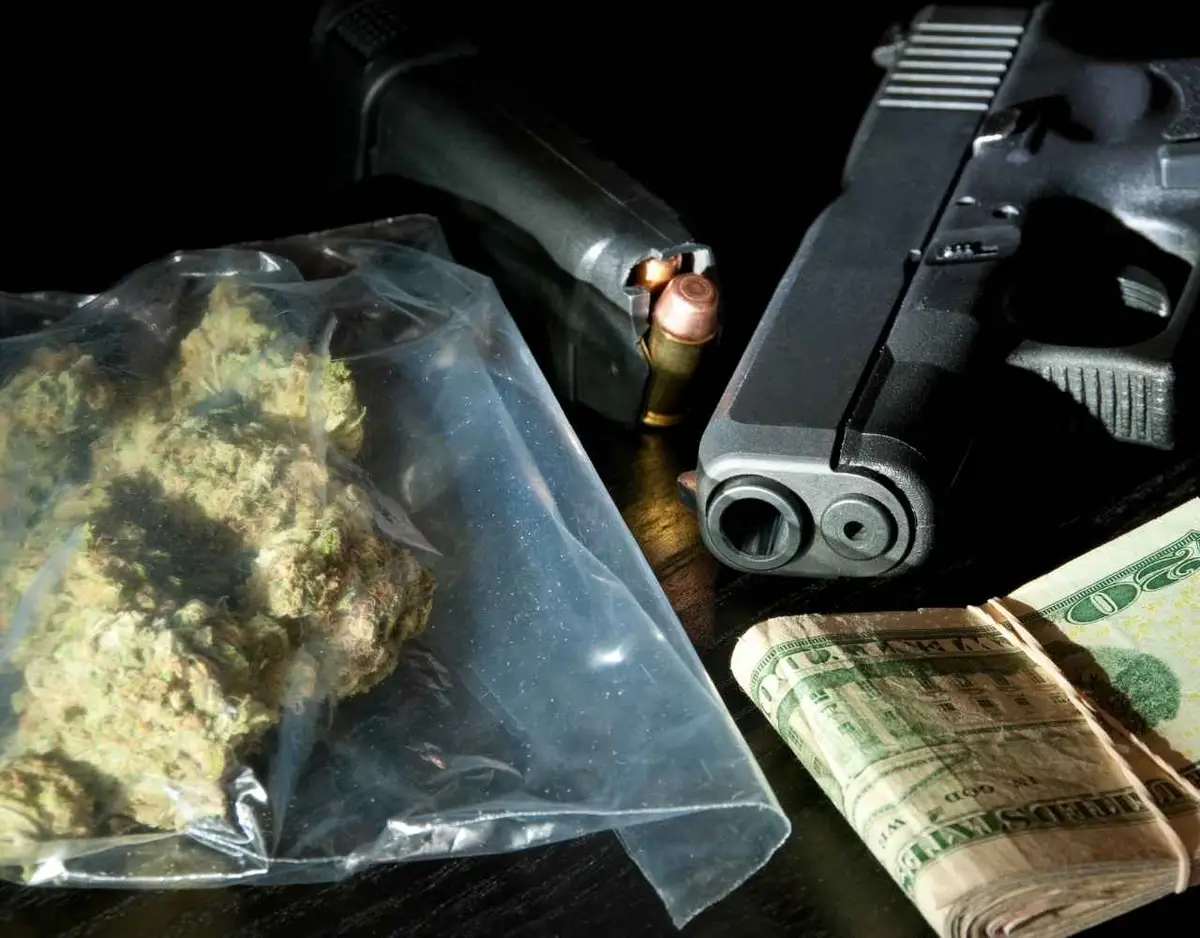
Being charged with a drug crime is already serious. Add a weapon to the picture, and the case changes shape entirely. Prosecutors in Illinois can treat a firearm found during a drug offense as proof that the situation carried a real risk of violence, even if no one ever touched the gun. That reasoning can turn one drug charge into two separate felony cases, longer prison exposure, and a permanent record that follows you well beyond the courtroom.
Ktenas Law defends people across Chicago and the surrounding counties who are facing exactly this combination. If you or someone you love is dealing with a weapon found alongside drugs, call (312) 800-1626 to schedule a free consultation with a Chicago gun crime defense lawyer and talk through what the charges actually mean for your case.
A weapons count filed alongside a drug charge raises the exposure on both. Illinois treats the combination as an aggravating circumstance, and it can move a case into a class where probation is no longer available. The two charges have to be defended together.

In Illinois, having a weapon while committing a felony, including a drug offense, can support a separate charge called armed violence under 720 ILCS 5/33A-2. The prosecution does not need to prove you fired the gun or even displayed it. Simple presence of the weapon at the time of the offense can be enough, because the law treats the combination of drugs and a weapon as its own distinct danger.
That means a person arrested with drugs and a firearm can walk into court facing the underlying drug charge and a separate armed violence charge stacked on top of it, each carrying its own penalties. Armed violence built on a Category I weapon, which includes handguns and other easily concealed firearms, carries a mandatory minimum sentence under 720 ILCS 5/33A-3. This is not a sentence a judge can waive with probation. It is a floor, not a suggestion.
Illinois courts look at the full picture of an arrest, not just whether someone pulled a trigger. Circumstances that commonly support a weapons and drugs charge include:
The type of weapon matters too. A machine gun or another weapon in Illinois’s more serious category carries harsher consequences than a lower-category weapon, because the statute is built around the danger each type presents.
Where the firearm was, and whether it was accessible, usually decides how much it adds. Our gun charge defense page explains how Illinois grades that.
Not on its own. Legal ownership of a firearm, including a valid FOID card, does not shield you from a weapons charge if that gun turns up during a drug-related arrest. Prosecutors can still argue the weapon was available to protect the drugs, the money, or the person holding them, and that argument does not depend on whether the gun was registered properly.
This surprises a lot of people, and it is one of the first things worth discussing with an experienced Chicago drug lawyer: the legality of the firearm and the legality of how it was used in that moment are two different questions.

The penalties for combining a weapon with a drug offense in Illinois are severe, and they stack in a way that catches a lot of defendants off guard.
Because two separate statutes can be in play, the total exposure in these cases is often higher than either the drug charge or the weapons charge would carry alone. A skilled criminal defense lawyer can walk through exactly which statutes the prosecution is using and what that means for your specific case.
Not every weapon-and-drug arrest stays in Illinois state court. Larger drug quantities, distribution networks that cross state lines, or an arrest that begins with federal agents can all push a case into the federal system. Federal law treats a firearm connected to drug trafficking as its own mandatory add-on to the sentence, with the length depending on whether the weapon was simply possessed, brandished, or discharged. Federal cases also move differently than state cases, often with more resources on the prosecution’s side and different rules for pretrial release.
An armed violence or weapons charge tied to a drug case is not automatically a lost cause. Illinois law still requires the prosecution to prove specific elements, and several defense angles come up regularly:
Every one of these depends on the specific facts of the arrest. An attorney reviewing the police report, the search, and the surrounding circumstances is often the difference between a defense that holds up and one that does not.
The decisions made in the first hours and days after an arrest can shape the rest of the case. A few practical steps matter most:

A weapons and drug charge in Illinois is a serious legal matter, and the stacked penalties mean the stakes are higher than a single charge alone. Our team at Ktenas Law includes former Cook County prosecutors, which means we have seen how these cases get built from the other side of the courtroom, and we use that perspective when we build your defense.
If you or a loved one is dealing with a weapon found alongside drugs, contact Ktenas Law today. We will review the facts of your arrest, explain what the charges actually mean, and talk through your options before you make any decisions.
Yes. Illinois law does not require you to have used, displayed, or even held the weapon. If prosecutors can show the weapon was present and connected to the drug offense, that can be enough to support an armed violence charge under 720 ILCS 5/33A-2.
Not automatically. Legal ownership addresses whether you were allowed to have the gun in general. It does not address whether the gun was connected to a drug offense, which is a separate question the prosecution can still pursue.
Illinois state charges typically fall under 720 ILCS 5/33A-2 for the weapon and 720 ILCS 570/401 for the drug offense. Federal charges apply when the case involves federal jurisdiction, such as larger quantities or interstate activity, and they carry their own mandatory sentence under 18 U.S.C. § 924(c) for a firearm connected to drug trafficking.
Every case depends on its specific facts. A charge is not a conviction, and outcomes vary based on the evidence, how the weapon and drugs were found, and whether the search that led to the arrest was lawful. An attorney can review your case and explain what options may be available, but no attorney can promise a specific result.
As soon as possible. Bond hearings and early court dates move quickly, and decisions made before you have legal representation can affect the rest of the case.
No. Most weapon and drug cases in Illinois stay in state court. A case typically moves to federal court when it involves larger quantities, multiple states, or a federal agency’s involvement in the investigation from the start.