


If I Don't Take a Breathalyzer, Won't My License Be Suspended?
 10/15/2026
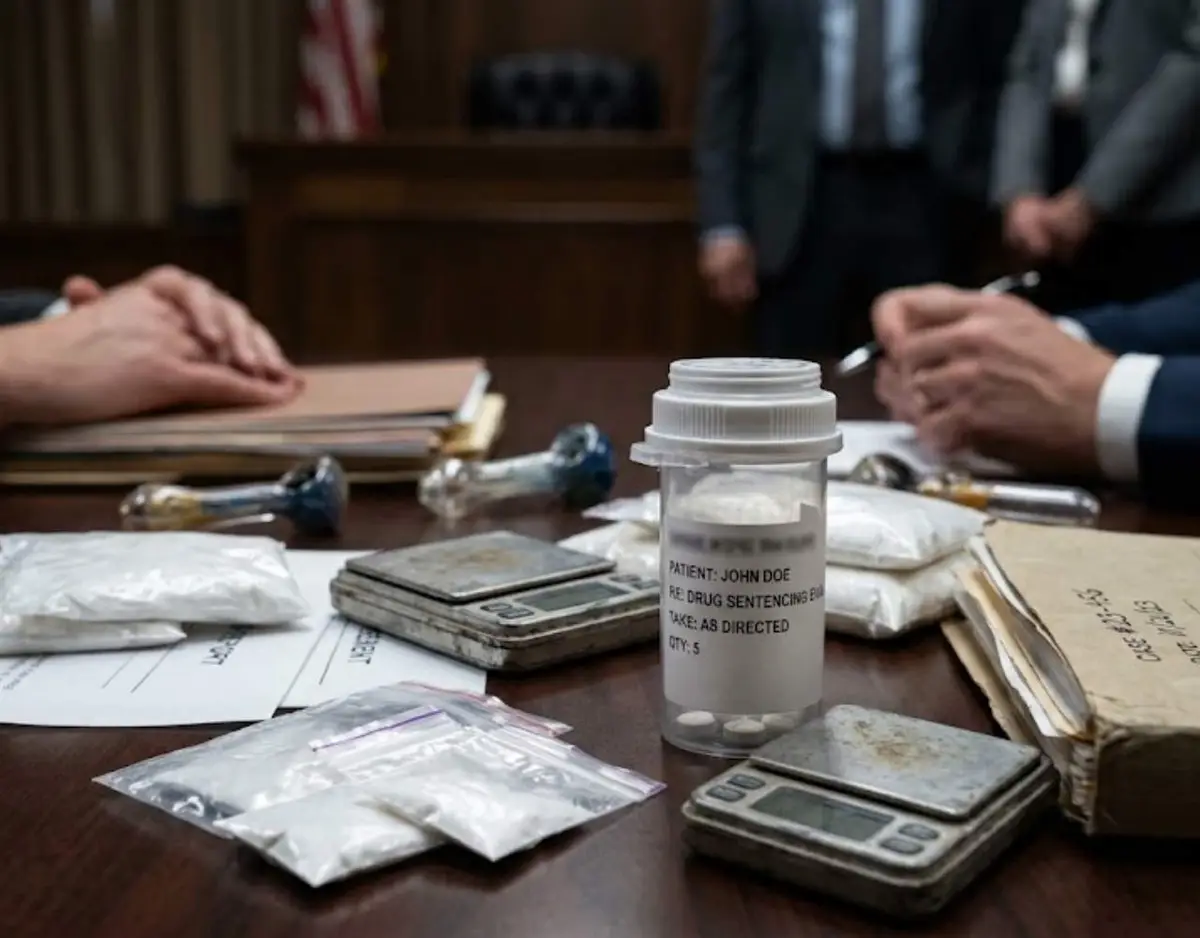
A drug charge in Illinois does not have to end in a conviction. Illinois law gives judges and prosecutors several ways to resolve a drug case without a criminal record, especially for people facing their first charge. Ktenas Law explains how these programs work, who qualifies, and what to expect if you’re weighing your options after an arrest.
A drug charge in Illinois does not have to end in a conviction. For first-time and low-level cases, the two most common routes are probation programs that never enter a judgment of guilt, and drug court, which pairs treatment with judicial supervision. Both end in a dismissal when completed.
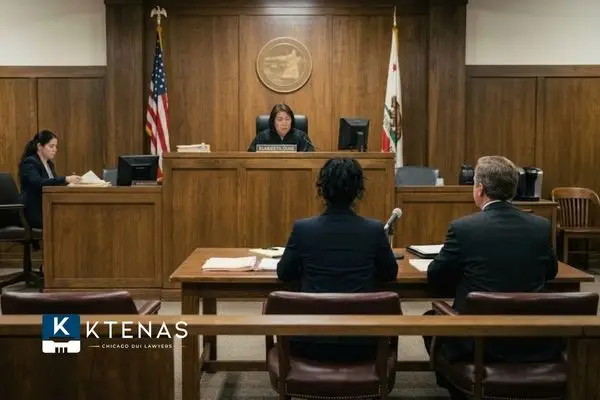
If you’re facing a drug possession charge in Illinois, you may be eligible for a disposition that avoids a conviction altogether. The two most common routes are court-ordered probation programs that never enter a judgment of guilt, and dedicated drug court programs that combine treatment with judicial supervision. A prosecutor-approved diversion program is a third option available in some counties.
Each path works differently, and eligibility depends on the charge, the amount involved, and your criminal history. None of them are automatic. A judge or prosecutor decides whether to offer one, and you have to meet the program’s conditions to get the benefit.
Under the Illinois Controlled Substances Act(opens in a new tab), simple possession of a controlled substance is charged based on the type and amount of drug involved. Smaller amounts of most controlled substances are typically charged as a Class 4 felony, while larger quantities or more dangerous substances carry higher felony classes with longer sentencing ranges.
Cannabis is handled separately under Illinois’ cannabis laws, which changed significantly after legalization. If your charge involves cannabis, the amount you can legally possess and the penalties for exceeding it are different from what applies to other controlled substances.
Eligibility usually turns on your record and the class of the charge, not on how sympathetic the case looks. Our drug charge defense page explains how the classes work.
Before looking at alternatives, it helps to understand what’s actually on the table. A standard felony drug possession conviction in Illinois can carry:
This is exactly why alternative sentencing matters so much for a first offense. A program that avoids a conviction protects your record in a way that a standard sentence, even a short one, does not.
Prosecutors still have to prove their case before a diversion program becomes relevant. For a possession charge, that generally means showing you knowingly possessed a substance, that the substance was in fact a prohibited controlled substance, and that your connection to it was more than just being nearby. Weaknesses in the search, the chain of custody, or the lab testing can affect both the underlying case and your leverage to negotiate an alternative disposition. This is general information, not a case evaluation. An attorney can review your specific facts.
Often called “410 probation,” this program lets a court sentence an eligible first-time offender to probation without entering a judgment of conviction. It’s available to a person who has not previously been convicted of a felony drug or cannabis offense and who pleads guilty to, or is found guilty of, possession of a controlled substance. The court sets a 24-month probation period, and conditions typically include drug testing, at least 30 hours of community service, and staying out of further trouble. If you complete it, the court discharges you and dismisses the case. It is not treated as a conviction unless you violate the terms.
Second Chance Probation works on a similar principle but covers a broader set of low-level, nonviolent offenses, including possession of less than 15 grams of a controlled substance or methamphetamine. It requires the consent of both you and the State’s Attorney, runs at least 24 months, and again results in no conviction if you complete it. Violent offenses and anyone with a prior violent conviction are excluded.
The Illinois Drug Court Treatment Act authorizes every judicial circuit to run a certified drug court program. Drug court combines close judicial supervision with substance use treatment instead of, or alongside, traditional sentencing. Admission requires your consent and the court’s approval, and certain higher felony drug charges also require the prosecutor’s agreement. The law specifically excludes anyone charged with a crime of violence or convicted of one within the past five years. Successful completion can lead to dismissal of the original charge and, in eligible cases, a path to vacating and sealing the record under the Criminal Identification Act.
In Cook County, the State’s Attorney’s Office runs several diversion programs, including narcotics-focused options that route eligible defendants toward treatment instead of prosecution. Cook County’s Drug Treatment Court Program(opens in a new tab) is one example, pairing a guilty plea and a period of probation with structured treatment, and dismissing the case on successful completion. Availability and criteria vary by county and by the specific unit handling your case.
Even outside a formal diversion program, a judge can order substance use treatment as a condition of standard probation, particularly when the court finds that addiction played a role in the offense. This can include outpatient counseling, a residential program, or ongoing drug testing, and it’s often layered on top of one of the programs above rather than used entirely on its own.
Courts weigh several factors before offering any of these programs, and meeting them does not automatically secure a spot:
Completion outcomes vary by program, but the common thread is that none of these routes count as a conviction the way a standard sentence does. 410 probation and Second Chance Probation both result in the case being discharged and dismissed if you meet every condition. Drug court can lead to dismissal of the charge, and for eligible cases, the underlying conviction can later be vacated with the record sealed under the Criminal Identification Act. Exact eligibility for sealing or expungement depends on the specific offense and disposition, so this is worth confirming with an attorney rather than assuming a timeline.
Alternative sentencing comes with real conditions attached, and courts do enforce them. If you violate probation terms, deny a substance use problem when required to engage in treatment, or otherwise fail a program, the court can reinstate the original charge and proceed as if you had never been admitted to the program in the first place. That’s one reason it matters to go in with a realistic plan for meeting the requirements, not just a plan for getting admitted.
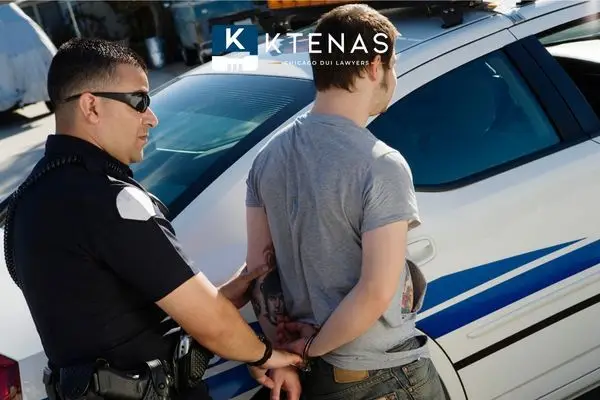
Illinois drug cases move through the local circuit court in the county where the charge was filed, and each county’s State’s Attorney’s Office has its own approach to which cases get offered diversion. Cook County runs one of the state’s larger drug court and diversion infrastructures, with a dedicated Narcotics Prosecutions Bureau screening cases for treatment-focused resolutions. Will County handles its felony and misdemeanor drug matters through its own circuit court and prosecutor’s office, with local practice shaped by that office’s charging decisions.
Knowing how a specific courtroom and a specific prosecutor’s office actually apply these programs, not just what the statute allows, is often what separates a case that gets diverted from one that doesn’t.
At Ktenas Law, our attorneys spent years on the other side of these cases. Our founding attorney prosecuted as an Assistant State’s Attorney in both Chicago and Markham, and one of our partners handled felony narcotics matters as a Cook County prosecutor before joining the defense side. A third partner brings Will County prosecutorial experience to cases in that jurisdiction.
That background means we know how a State’s Attorney’s office actually evaluates a case for diversion, not just what the statute says is possible. We use that insight to build a case for alternative sentencing where it’s available, and to prepare a full defense where it isn’t.

A drug charge moves fast, and some of these programs have to be requested before you enter a plea. If you or someone you know is facing a drug charge in Illinois, call Ktenas Law at (312) 800-1626 for a Free Case Review. We’ll walk through what actually happened, what the charge carries, and which of these paths may realistically be available in your case.
410 probation lets an eligible first-time offender plead guilty to a possession charge and complete probation without a conviction ever being entered.
Second Chance Probation covers a broader set of low-level, nonviolent offenses and also requires the State’s Attorney’s consent, but it works the same way: no conviction if you complete it.
Possibly, if you have not been convicted of a violent crime in the past five years, though some higher-level felony drug charges also need the prosecutor’s agreement.
Often, yes: 410 probation and Second Chance Probation avoid a conviction outright, and eligible drug court completions can lead to the record being sealed.
The court can reinstate the original charge and proceed as if the program had never been offered.
Cannabis charges fall under separate Illinois cannabis laws, so the analysis differs, though some cannabis offenses can still qualify for probation-based alternatives.