


If I Don't Take a Breathalyzer, Won't My License Be Suspended?
 10/15/2026
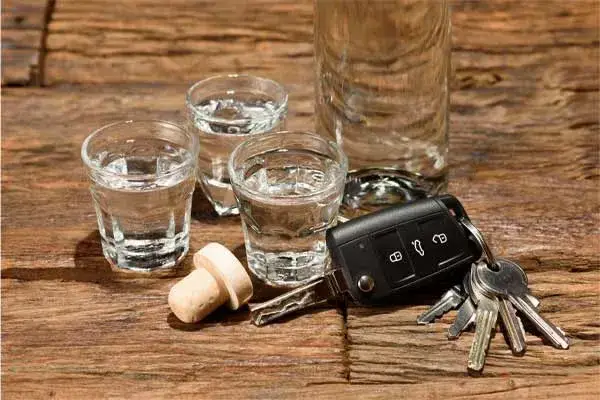
A DUI arrest usually starts with confusion. Most people know a few “facts” about drunk driving law, picked up from friends, old habits, or things half-remembered from a driver’s ed class years ago. The problem is that a lot of that common knowledge is wrong, and believing it can shape bad decisions in the moment an officer pulls you over.
At Ktenas Law, we handle Illinois DUI cases built entirely by former prosecutors, so we see these misunderstandings play out from both sides of the courtroom. Below are seven of the most common DUI myths we hear, along with what Illinois law actually says.
You can be charged with DUI in Illinois below 0.08, and without driving. Under 625 ILCS 5/11-501 the offense is driving or being in actual physical control of a vehicle while impaired. A blood alcohol concentration of 0.08 is one way to prove the case, not the only way.

Illinois law does not require a specific blood alcohol concentration, a bad driving pattern, or even a moving vehicle to support a DUI charge. Under 625 ILCS 5/11-501, a person breaks the law by driving or being in “actual physical control” of a vehicle while impaired by alcohol, drugs, or a combination of both. A BAC of 0.08 or higher is one way to prove that, but it is not the only way, and it is not a requirement.
That single distinction is where most of the myths below start to fall apart.
The idea that 0.08 is a magic number keeps a lot of people from taking a stop seriously. It is not accurate.
Illinois law sets up three zones for blood alcohol concentration, under 625 ILCS 5/11-501(opens in a new tab).2:
Even a driver who blows well under 0.08 can still be charged under a separate part of the same statute that covers being “under the influence of alcohol” to a degree that affects safe driving, regardless of the exact number on a breath test. A commercial driver faces an even lower bar: a CDL holder can be disqualified from driving a commercial vehicle at a blood alcohol concentration of just 0.04.
What this means for a real stop: a low number on a roadside breath test is not automatic protection from arrest, and it should not be treated as one.
Believing the 0.08 number is a hard floor is the single most expensive mistake we see. Our DUI defense page covers what the State actually has to prove.
Plenty of people believe that if they stay under the speed limit, signal every turn, and avoid anything that looks like erratic driving, they will not get pulled over for drinking. Sobriety checkpoints alone make that untrue, since officers can stop vehicles at a checkpoint without needing to observe bad driving first.
Even outside a checkpoint, an officer does not need to see swerving or a near miss to develop suspicion. Slurred speech during a traffic stop for a burned-out taillight, the smell of alcohol, or unsteady balance during a routine interaction can all be enough to shift a simple stop into a DUI investigation. Alcohol tolerance does not change any of this. Feeling clearheaded is not the same as testing under the legal threshold or performing well on a field sobriety test.
A common assumption is that police need to catch a person actually driving to make a DUI arrest stick. That is not how the statute is written.
Section 11-501 covers a person who drives or is in actual physical control of a vehicle while impaired. Someone sitting in the driver’s seat with the keys in the ignition, even with the engine off, can meet that standard depending on the specific facts. This comes up often with someone who decided to “sleep it off” in their car rather than drive, which can still lead to a DUI investigation and, depending on the circumstances, an arrest.
Eating before drinking, or waiting around after, feels like a reasonable safety plan. It is not a reliable one.
Food can slow how quickly alcohol is absorbed into the bloodstream, but it does not reduce the total amount of alcohol that eventually gets there. Coffee and cold showers do the same thing: they may make a person feel more alert, but alertness is not the same thing as sobriety, and neither one changes a blood alcohol reading. The body clears alcohol at a fairly steady rate that a meal, a shower, or a short wait cannot meaningfully speed up.
The safer plan is the boring one: if you have been drinking, arrange a ride instead of estimating whether enough time has passed.
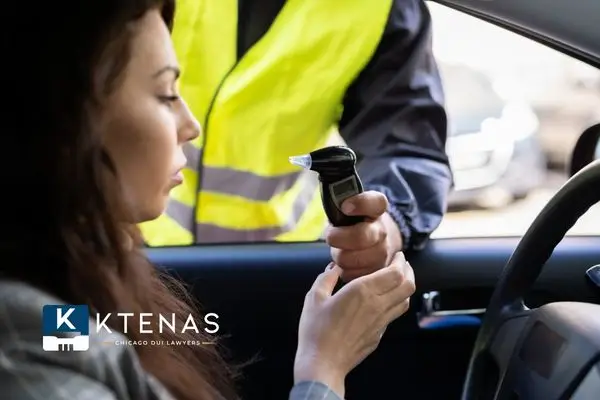
This one shows up in a lot of old advice: chew gum, suck on a coin, or use a strong mint right before a breath test to throw off the reading. Modern breath testing equipment measures alcohol using infrared technology that detects ethanol in breath, not the presence of metal or sugar in someone’s mouth. None of these tricks change what the device is actually measuring.
Mints and gum can also backfire in an unrelated way. Officers are trained to notice attempts to mask the smell of alcohol, and reaching for gum right as a squad car’s lights come on tends to draw more attention, not less.
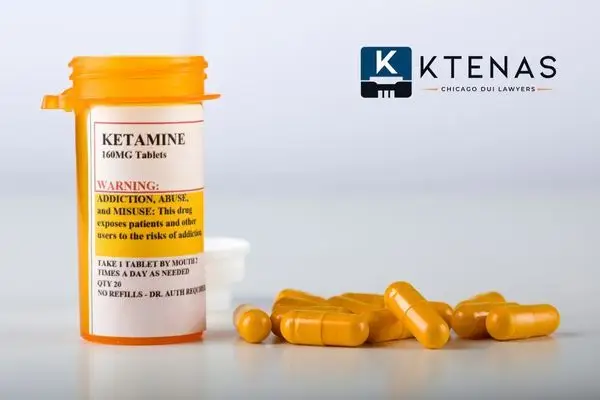
Illinois law treats legal drugs and illegal drugs differently, and that difference gets misunderstood often.
For a lawfully prescribed medication, the question is impairment. Under 625 ILCS 5/11-501(a), a driver can be charged with DUI if a drug, including a legally prescribed one, renders them incapable of driving safely. Having a valid prescription is not a defense if the medication actually impaired the ability to drive.
For an unlawfully used controlled substance, Illinois law does not require proof of impairment at all. Any detectable amount of certain unlawfully used drugs in a person’s system while driving can support a charge on its own.
Cannabis sits in its own category. Illinois sets a specific legal threshold for cannabis-related DUI: 5 nanograms or more of THC per milliliter of whole blood, or 10 nanograms or more per milliliter of another bodily substance, measured within two hours of driving. Because THC can remain detectable in the body well after any impairment has worn off, this threshold, not the simple fact of past use, is what the law actually measures.
A first DUI conviction in Illinois is charged as a Class A misdemeanor. Under 730 ILCS 5/5-4.5-55, that carries a possible jail term of less than one year (commonly cited as up to 364 days) and a fine of up to $2,500, along with other conditions a court may impose, such as probation or community service.
Penalties increase from there. A second offense under 625 ILCS 5/11-501 carries a mandatory minimum of either 5 days in jail or 240 hours of community service, on top of any other sentence. Aggravating factors, like a prior conviction, a crash involving injury, or a child in the vehicle, can raise a DUI to a felony with substantially higher stakes. Every case depends on its own facts, and penalties can vary based on prior history and the specific charge involved.
Every DUI case rests on evidence that can be reviewed, questioned, and in some cases challenged. That includes:
A charge is not a conviction, and the right approach depends on the specific facts of the stop, the arrest, and the testing involved. Ktenas Law’s attorneys built their approach around backgrounds as former Cook County and Will County prosecutors, which means they know how these cases get built from the other side of the table before a defense is ever filed.
A DUI arrest sets off a short timeline, and a few decisions early on matter more than people expect:

Most of the myths above share a common thread: they assume the law works the way people expect it to instead of the way it is actually written. That gap is exactly where cases get won or lost.
Ktenas Law’s attorneys spent years prosecuting these same cases for Cook County and Will County before representing people facing them. That background means a review of your case starts with the same procedures, testing standards, and legal thresholds the state itself relies on, not just a general familiarity with DUI law.
If you’re facing a DUI charge in Illinois, a free case review is the fastest way to understand where your case stands. Call (312) 800-1626 today for a free case review.
Yes. Illinois law allows a DUI charge based on impairment alone, separate from the BAC-based charge. A BAC between 0.05 and 0.08 does not protect against a charge on its own, and CDL holders face a lower 0.04 threshold.
No. Illinois law covers driving or being in “actual physical control” of a vehicle while impaired, which can include sitting in a parked car with the engine off in some circumstances.
Not reliably. Food can slow alcohol absorption, but it does not reduce the total alcohol that reaches your bloodstream, and there is no fixed wait time that guarantees a safe or legal BAC.
A first-offense DUI is a Class A misdemeanor, which carries a possible jail term of less than one year (commonly cited as up to 364 days) and a fine of up to $2,500.
This depends on the specific situation, and it is not something a general article can answer for your case. An attorney can walk through the tradeoffs based on your circumstances.