If I Don't Take a Breathalyzer, Won't My License Be Suspended?
 10/15/2026
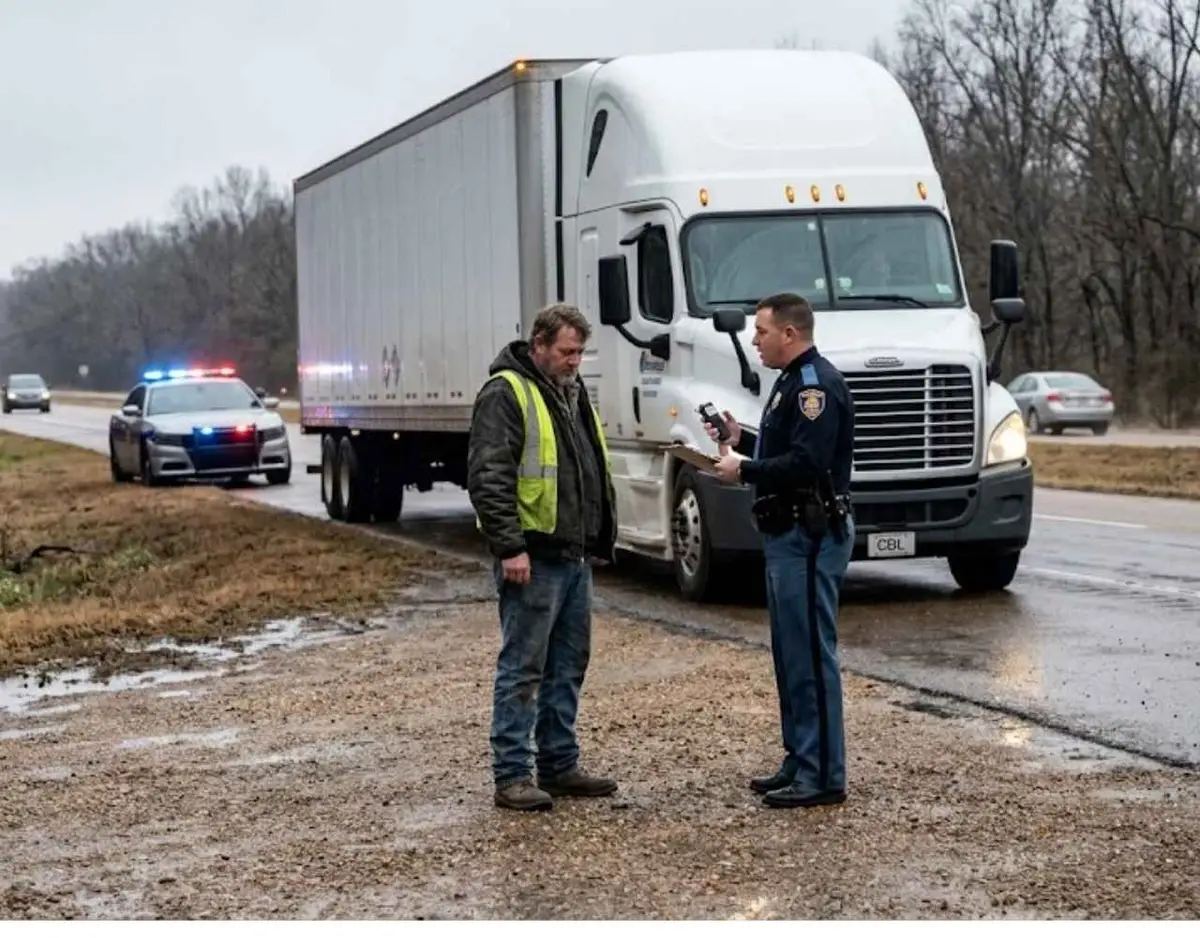
A commercial driver’s license takes years to build and one stop to threaten. Whether you drive a semi-truck, a bus, a limousine, or any other vehicle that requires a CDL, Illinois holds you to a stricter standard than everyday drivers the moment alcohol is involved.
That stricter standard exists because commercial vehicles carry real risk to the public. Illinois enforces it closely, and a DUI charge while holding a CDL can threaten far more than a criminal case. It can threaten the license your income depends on.
At Ktenas Law, our attorneys are former Cook County and Will County prosecutors who built these cases before they started defending them. If you hold a CDL and you are facing a DUI charge anywhere in Illinois, here is what you need to understand right now.
A DUI conviction disqualifies a CDL for one year on a first offense, three years if hazardous materials were involved, and for life on a second. The threshold is 0.04 in a commercial vehicle, half the 0.08 that applies to everyone else.

A DUI conviction as a CDL holder can disqualify you from operating a commercial vehicle for one year on a first offense, three years if you were hauling hazardous materials, and for life on a second offense. That disqualification can follow you even if the DUI happened in your own car on your own time, not just behind the wheel of a truck or bus.
Federal rules under 49 CFR 383.51, which Illinois enforces, treat commercial drivers differently from everyone else. The rest of this page walks through why, and what a CDL holder can do about it.
Regular drivers in Illinois are legally impaired at a blood alcohol concentration of 0.08%. CDL holders operating a commercial vehicle hit that line at 0.04%, half the standard limit under 625 ILCS 5/11-501 and the CDL-specific provisions in 625 ILCS 5/6-514.
Lawmakers built this stricter rule around the idea that a professional driver carries a heightened duty to the public. A loaded semi-truck or a bus full of passengers is simply not the same risk as a passenger car, and the law treats it that way.
The tighter margin matters in practice, too. Breath testing equipment carries a known margin of error, and some devices round measurements upward. For a CDL holder, that rounding can be the difference between a clean test and a charge that puts a career on the line.
The disqualification can attach even when the DUI happened in your personal car. Our CDL DUI defense page covers both tracks.
Because 0.04% is roughly half of the standard legal limit, a CDL holder has far less room for error than a typical driver. One drink can, depending on body weight and timing, put a commercial driver close to or over that line while a non-commercial driver would still be well under 0.08%.
This is the fact that surprises most CDL holders: the DUI standard that applies to you at work is not the same standard that applies to your neighbor driving to dinner. Knowing that distinction before you get behind the wheel matters, and knowing it after an arrest matters just as much when building a defense.

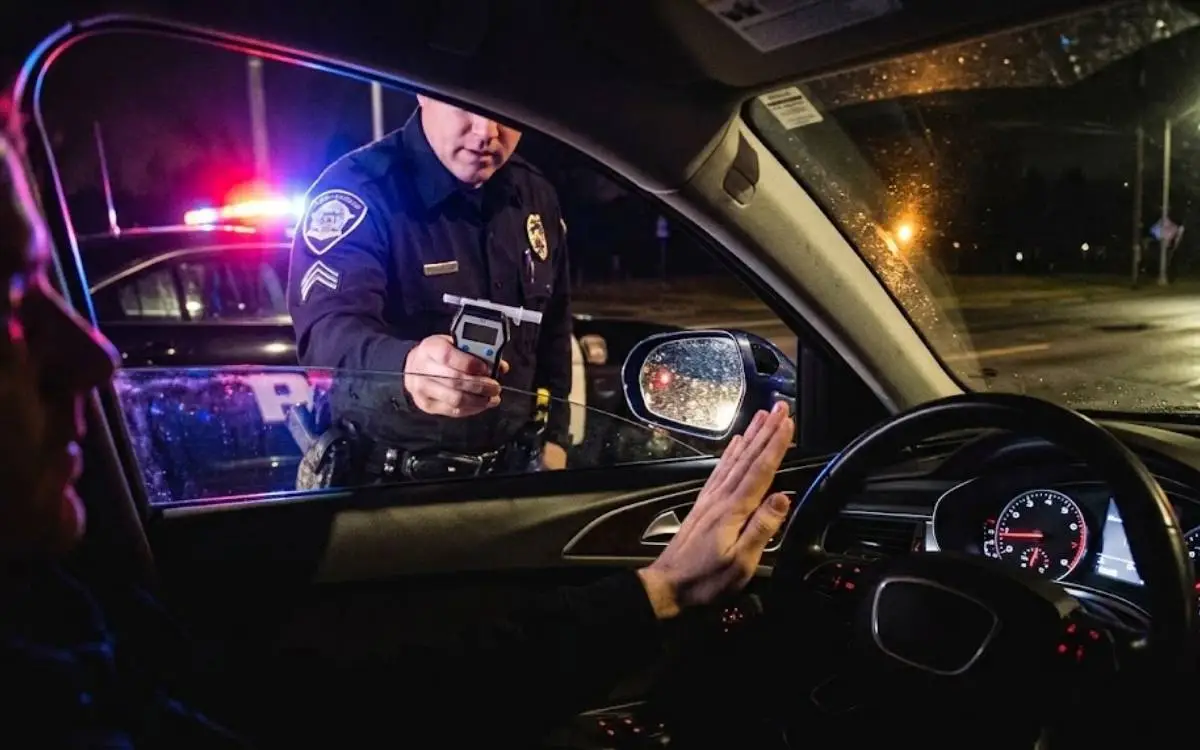
Illinois is an implied consent state(opens in a new tab). Anyone who holds an Illinois driver’s license has already agreed to submit to a breath or blood test if an officer has reasonable grounds to suspect DUI.
Refusing that test does not avoid the DUI charge. It triggers an automatic statutory summary suspension of your driving privileges, separate from whatever happens in the criminal case. For a CDL holder, a positive test or a refusal can also start a commercial disqualification process handled through the Secretary of State, on top of the license suspension.
For someone who drives for a living, a suspension that would be an inconvenience for another driver becomes a direct threat to a paycheck, a mortgage, and a family’s routine expenses.
Federal law sets these disqualification periods for CDL holders, and Illinois enforces them:
None of these consequences require a full conviction at trial before the disqualification clock starts. The administrative suspension tied to implied consent moves on its own schedule, separate from the criminal case.
If you are arrested for DUI in Illinois, the statutory summary suspension of your driving privileges takes effect on the 46th day after you receive notice, whether or not your criminal case has gone anywhere yet.
That 46-day window is also your deadline to request a hearing to challenge the suspension. Miss it, and the suspension proceeds on its own timeline while your criminal case is still pending. For a CDL holder already facing a separate commercial disqualification, losing that hearing window removes one of the few tools available to protect your ability to keep working while the case plays out.
A DUI charge is not a conviction, and CDL holders still have real defenses available. What a defense can look at depends heavily on the specific facts of the stop, including:
Our attorney Nick Ktenas built his approach around exactly this kind of review, auditing breathalyzer maintenance logs and officer field notes line by line rather than accepting them at face value. The facts of every case are different, and no outcome can be promised, but a careful look at how the stop and the testing were handled is where a real defense starts.

Alex Ktenas spent years as an Assistant State’s Attorney in both Chicago and Markham before founding this firm. Lauren Ktenas brings the same background from Will County. Between them, our attorneys have sat on the other side of the table in the same courthouses where CDL DUI cases in this region are heard.
That experience means we know how these cases are typically charged, what prosecutors tend to prioritize, and where the evidence in a DUI stop is usually strongest and weakest.
If you hold a CDL and you were just arrested for DUI anywhere in Illinois, the clock is already running on two separate fronts: the criminal case and the administrative suspension of your license. Waiting to talk to an attorney costs you time you may not get back, especially with a 46-day hearing deadline in play.
Ktenas Law focuses on DUI and criminal defense in Illinois, and CDL cases are a core part of that work. We look at the stop, the testing, and the paperwork behind both the criminal charge and the license suspension, and we talk you through what your options actually are before you decide anything.
Facing a DUI charge with a CDL on the line moves fast, and so should your defense. Call Ktenas Law at (312) 800-1626 or request your free case review today. We will talk through what is actually at stake in your case and what comes next.
Yes. A regular driver is considered impaired at 0.08% BAC. A CDL holder operating a commercial vehicle is held to 0.04%, half that limit, under Illinois and federal commercial driver rules.
It can. Federal disqualification rules apply to DUI convictions in a personal vehicle as well as a commercial one. A CDL holder does not need to be on duty for a DUI to put commercial driving privileges at risk.
Refusing still triggers an automatic statutory summary suspension of your driving privileges under Illinois’ implied consent law, and it can lead to a separate CDL disqualification process. Refusing does not make the DUI charge go away.
A second qualifying offense, whether it happened in a commercial or personal vehicle, carries a lifetime CDL disqualification under federal rules that Illinois enforces.
You generally have until the 46th day after notice is given, which is also when the statutory summary suspension takes effect. That window is your opportunity to request a hearing before the suspension proceeds.