

DUI Arrest in Will County: What Happens Before Your Joliet Court Date
 11/03/2026
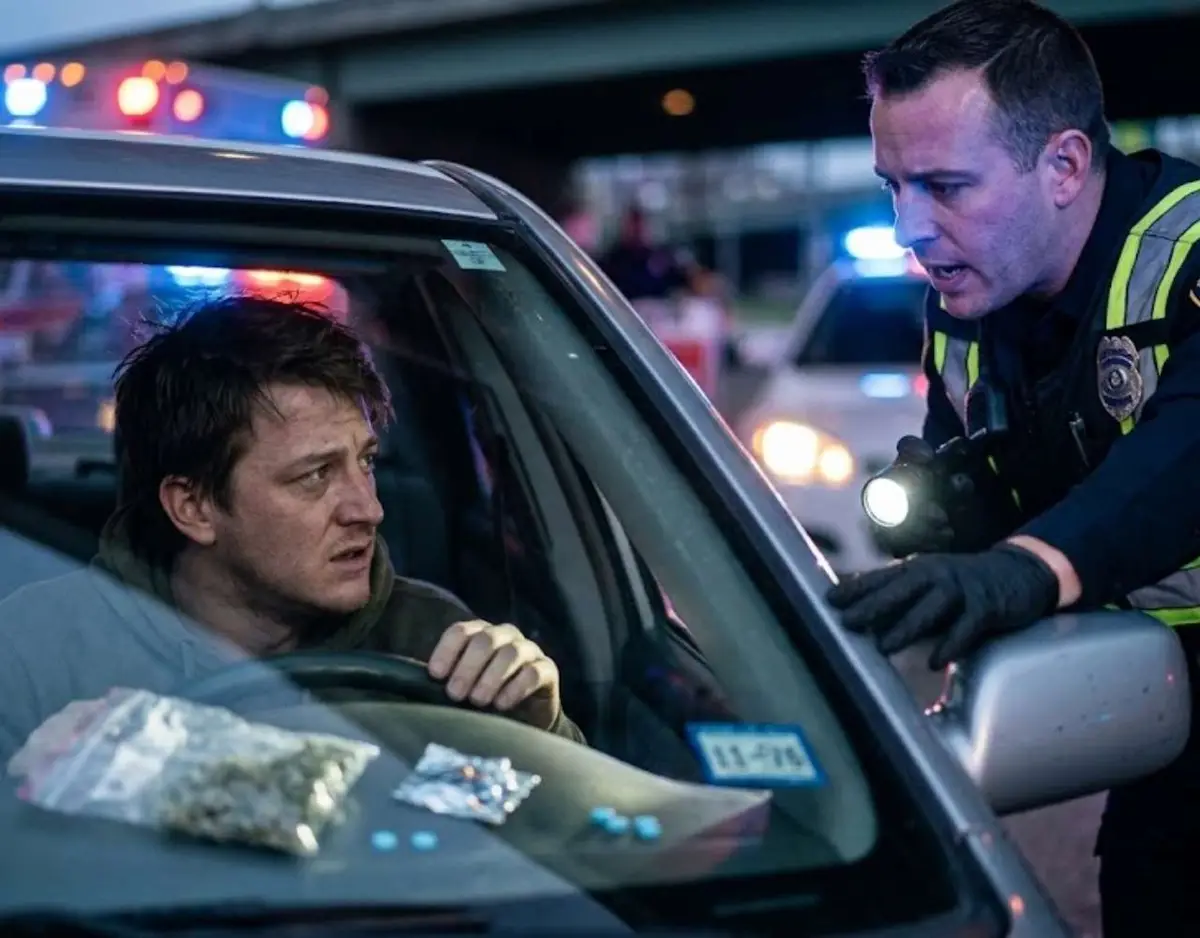
Driving under the influence isn’t only an alcohol charge. In Illinois, a drug DUI carries the same criminal exposure as a drunk driving case, and prosecutors don’t need a breath test number to bring it. A lot of drivers assume that if they weren’t drinking, they’re in the clear, even after taking a prescription sleep aid, an over-the-counter cold medicine, or a recreational drug before getting behind the wheel.
That assumption gets people arrested. Illinois law defines impairment broadly enough to cover any substance that leaves you unable to drive safely, and a drug DUI charge can move just as fast toward a conviction as an alcohol one. If you’re facing this kind of accusation, Ktenas Law can walk through what the charge actually means and what comes next.
Illinois has no legal threshold for drugs the way it has 0.08 for alcohol. Under 625 ILCS 5/11-501, driving while under the influence of any drug to a degree that makes safe driving impossible is enough. That makes these cases turn on the officer’s observations rather than a number.

A standard alcohol DUI in Illinois hinges on a number: a blood alcohol concentration of 0.08% or higher for drivers over 21. A drug DUI doesn’t work that way. Under 625 ILCS 5/11-501, it’s illegal to drive while “under the influence of any other drug or combination of drugs to a degree that renders the person incapable of safely driving,” and the statute sets no minimum amount that has to show up in your system.
That distinction matters. An officer doesn’t need a specific drug level to charge you. Instead, the case gets built from what the officer saw: how you were driving, how you performed on field sobriety tests, and whether any controlled substance turned up in a blood or urine test. Even a legally prescribed medication, such as a sleep aid, a muscle relaxer, an ADHD medication, or certain cough syrups, can support a drug DUI charge if it affected your ability to drive, especially if it was combined with alcohol or another drug.
Related: Blood alcohol concentration limits in Chicago
Most drug DUI stops start the same way an alcohol DUI stop does: swerving, erratic braking, or another sign of impaired driving catches an officer’s attention. From there, the officer typically asks the driver to perform field sobriety tests, the same physical coordination exercises used in alcohol cases. Those tests were designed around alcohol impairment, and their results are subjective even when a driver is completely sober.
Alcohol cases move fast from there, since a breath test gives police a number within minutes. Drug impairment doesn’t work that way. Confirming what substance is involved usually requires a blood or urine test, and Illinois also trains a smaller group of officers as Drug Recognition Experts, or DREs, specifically to identify signs of drug impairment(opens in a new tab) during an arrest.
Refusing a blood or urine test carries its own automatic penalty under Illinois’s implied consent law, separate from whatever happens with the criminal charge itself. For a first offense, refusing chemical testing triggers a 12-month statutory summary suspension of your driver’s license. If you take the test and it comes back positive for a controlled substance, the first-offense suspension is shorter: 6 months. Either way, the suspension takes effect automatically on the 46th day after your arrest notice, and you generally have 90 days from the arrest to file a petition asking a judge to challenge it. Filing that petition doesn’t pause the 46-day clock, which is exactly why moving quickly matters.
Field sobriety tests were designed around alcohol, not drugs. Our DUI defense page explains where that gap opens up a defense.
When officers suspect drug impairment specifically, some departments call in a Drug Recognition Expert. DREs follow a standardized 12-step evaluation developed under the Drug Evaluation and Classification Program, a protocol coordinated by the International Association of Chiefs of Police with support from the National Highway Traffic Safety Administration. The steps run from a breath alcohol check through eye examinations, vital signs, and a physical exam, and they’re meant to help the officer narrow down which category of drug may be involved.
The protocol is standardized precisely because it’s supposed to be followed the same way every time. When an officer skips a step, performs one incorrectly, or draws a conclusion the evaluation doesn’t support, that gap becomes something a defense attorney can raise in court.

A first-offense drug DUI in Illinois is typically charged as a Class A misdemeanor. Under 730 ILCS 5/5-4.5-55, that classification carries:
The charge escalates fast from there. A second DUI, an offense involving injury or death, or a case involving a minor passenger can turn a misdemeanor into a felony, with prison time, steeper fines, and longer license consequences on the table. Repeat or high-risk drivers may also need an ignition interlock device before they can drive legally again.
Related: What Illinois considers a felony DUI
Every drug DUI conviction in Illinois comes with a mandatory alcohol and drug evaluation, conducted by a provider licensed through the Illinois Department of Human Services. That evaluation assigns you a risk classification, and the classification determines how much education or treatment a court will order:
The report goes to both the court and the Secretary of State, and it can directly affect how long your case, and your path back to a valid license, actually takes.
A drug DUI charge feels overwhelming, but it isn’t automatically a conviction. Every case turns on the specific facts, and a defense attorney’s job is to test each piece of the state’s evidence rather than accept it at face value.
Officers need a legitimate basis to pull a driver over. If the stop itself wasn’t supported by reasonable suspicion, everything gathered afterward, including field sobriety results and chemical test evidence, may be subject to being thrown out.
Field sobriety tests are physical exercises, not medical instruments. Fatigue, an existing injury, uneven pavement, poor instructions from the officer, or a medical condition can all cause someone to fail a test they weren’t actually too impaired to pass.
Lab handling errors, contamination, chain-of-custody gaps, and misread results are all real possibilities in chemical testing. This matters even more in marijuana cases, since THC can remain detectable in the body long after any impairing effect has worn off, meaning a positive result doesn’t automatically prove current impairment.
If you were taking a medication exactly as prescribed, your attorney can present your medical records and prescription history to show the impairment, if any, was unexpected rather than something you should have anticipated.
The statute requires proof that a drug left you “incapable of safely driving,” not just that a substance was present. Dashcam footage, witness accounts, and the officer’s own description of your driving can all support the argument that your driving simply wasn’t impaired.
The 12-step DRE evaluation follows specific, published procedures. When an officer deviates from that protocol, or reaches a conclusion the steps don’t support, the evaluation’s reliability becomes fair game to challenge.
Ready to talk through your case? Contact Ktenas Law for a free case review.
A drug DUI arrest in Illinois follows you home. Because most states share driver’s license data through interstate compacts, a conviction here can trigger license consequences in your home state even though the case never leaves Illinois courts. Out-of-state drivers facing this charge need Illinois-specific defense, not general advice, since the case will be decided under Illinois law regardless of where the license was issued.
The financial penalties are only part of what a drug DUI conviction costs. A criminal record shows up in background checks that employers, landlords, and licensing boards run routinely, and it can follow someone for years after the case itself is resolved. The mandatory evaluation and any resulting treatment through the Illinois Department of Human Services can also take months to complete and isn’t free.
There’s an emotional weight to all of this too. The uncertainty around a pending charge, the fear of losing a license, and the stigma that can come with an arrest are real, and they don’t go away just because the legal process is moving forward. Clear information and steady legal guidance make that process easier to get through.

Ktenas Law is built by attorneys who spent years on the other side of DUI cases as prosecutors in Cook County and Will County courts. That background means our team has seen how these cases get built from the state’s perspective, from the officer’s initial stop through the DRE evaluation and lab paperwork, and knows where they tend to have weaknesses.
We review every piece of a drug DUI case: the traffic stop, the field sobriety tests, the chemical test results, and the officer’s own reports. From there, we work to negotiate a better resolution or take the case to trial, depending on what the facts and the evidence actually support.
If you or someone you know is facing a drug DUI in Chicago or the surrounding area, the clock is already running from the moment of arrest. Call Ktenas Law at (312) 800-1626 for a free case review, or reach out through our contact page to start building a defense.
Yes. If a prescribed medication impairs your ability to drive safely, Illinois law allows a drug DUI charge even though the drug itself was legally obtained. Combining a prescription with alcohol or another substance increases that risk further.
No. Unlike alcohol DUI, which relies on a 0.08% BAC threshold, a drug DUI charge under 625 ILCS 5/11-501 only requires proof that a drug left you unable to drive safely, regardless of the amount detected.
Refusing chemical testing triggers an automatic 12-month statutory summary suspension of your license for a first offense, compared to 6 months if you test positive. This suspension is separate from any criminal penalty and takes effect on the 46th day after your arrest.
The same statute applies, but marijuana cases raise a unique issue: THC can stay in your system well after any impairing effect wears off, so a positive test doesn’t automatically prove you were impaired while driving. That gap is often central to the defense.
The statutory summary suspension runs 6 months if you test positive or 12 months if you refuse testing, and a conviction adds a separate mandatory minimum one-year license revocation on top of that.