How Long Does a DUI Stay on Your Record in Illinois?
 11/10/2026
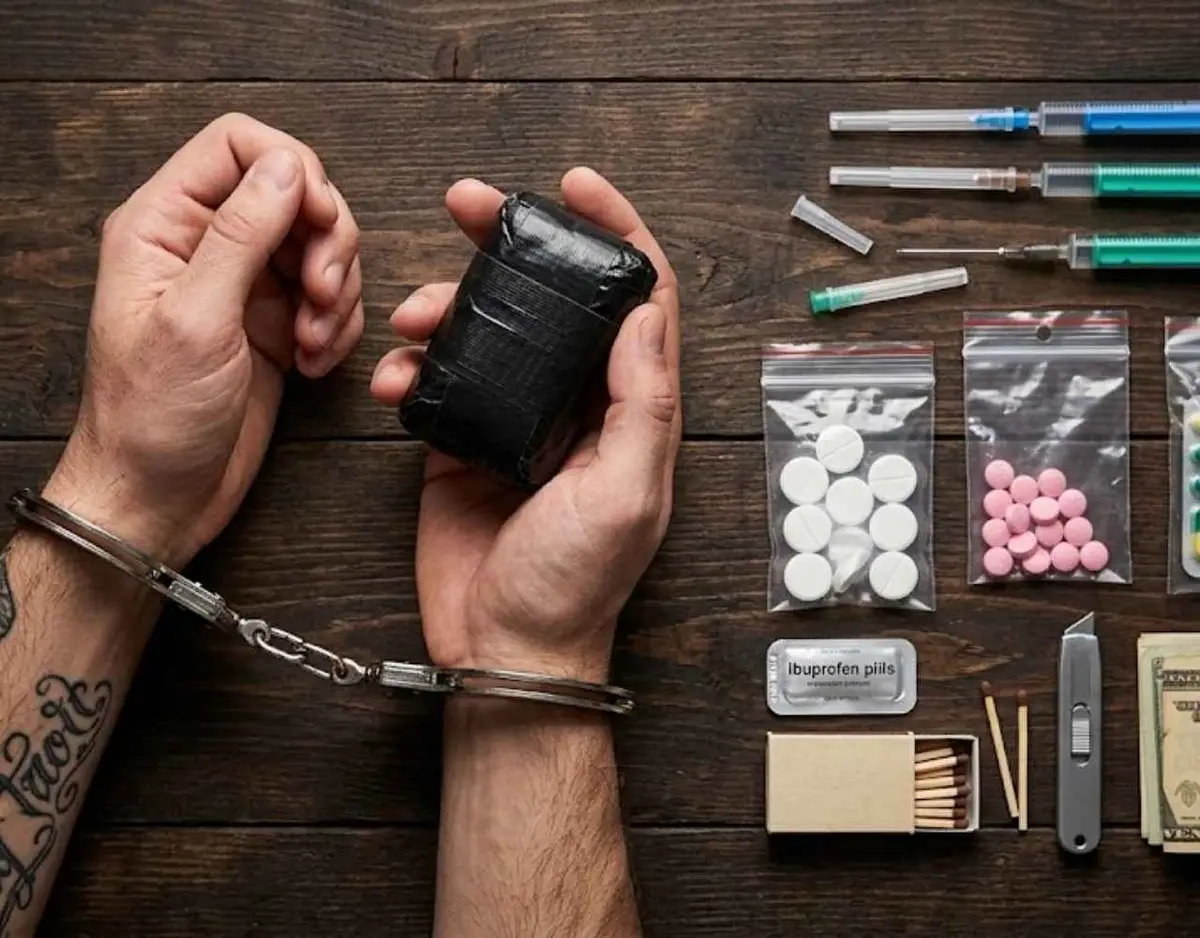
Possession of heroin in Illinois is a felony, not a misdemeanor, no matter how small the amount. A single gram can lead to a criminal record that follows you for years. A few grams more, and you’re looking at a mandatory prison sentence.
At Ktenas Law, our attorneys built their careers as Cook County prosecutors before they ever represented someone accused of a crime. We know how these cases get built inside the state’s attorney’s office, and we use that knowledge to challenge them from the defense side. If you or someone you love is facing a heroin possession charge anywhere in Illinois, understanding what you’re up against is the first step toward protecting your future.
Yes, and there is no amount small enough to avoid it. Heroin is a Schedule I narcotic in Illinois, and possession of any quantity is a felony. Under 15 grams is a Class 4 felony, and the tiers above that carry ranges well past the ordinary Class 1 maximum.
Yes. Under the Illinois Controlled Substances Act, heroin is a Schedule I narcotic, and Illinois treats possession of any amount as a felony offense. There is no threshold small enough to avoid a felony charge, which sets heroin apart from some other controlled substances under Illinois law.
Possessing less than 15 grams is charged as a Class 4 felony, carrying 1 to 3 years in prison and a fine of up to $25,000. From there, penalties climb quickly as the weight increases, moving into Class 1 felony territory with mandatory prison time measured in years, not months. The exact classification and sentencing range depend on the weight of the substance, your criminal history, and the specific facts of your arrest.
Illinois law does not require police to catch you holding heroin in your hand for a possession charge to stick. Prosecutors can pursue a case based on either actual possession, meaning the drug was found on your person, or constructive possession, meaning you had knowledge of the drug and control over the place where it was found, such as a car, a backpack, or a shared apartment.
This distinction matters. Constructive possession cases often turn on circumstantial evidence, and that evidence can be challenged. Who else had access to the location? Was the heroin in plain view, or hidden somewhere you may not have known about? These questions can shape the entire direction of a defense.
Police do not need to find heroin in your hand. Constructive possession covers a car or a room you controlled, which our drug charge defense page explains.

Penalties for possession of heroin are governed by 720 ILCS 570/402(opens in a new tab) and scale with the weight of the substance involved.
These are the ranges written into the statute. A judge has discretion within them, and factors like prior convictions, probation eligibility, and the circumstances of the arrest can all affect where a specific case lands.
Prosecutors do not need to catch someone in the act of a sale to file a manufacture or delivery charge. Text messages, the way drugs are packaged, the presence of scales or cash, and the total quantity found can all lead police to argue that possession was for distribution rather than personal use. Under 720 ILCS 570/401, these charges carry substantially harsher penalties than simple possession.
A Class X felony conviction in Illinois carries no possibility of probation, and courts cannot reduce it to a lesser charge as part of a plea. That makes an early, aggressive defense especially important when a possession case is at risk of being charged as delivery.
Illinois law increases the felony class and the fine when a heroin offense happens within 500 feet of a school, public park, place of worship, or senior facility, under 720 ILCS 570/407. Prosecutors often add this enhancement in Chicago and Cook County cases simply because of how dense the city is with schools and parks. It is worth having an attorney check whether this enhancement was applied correctly in your case, since the distance and the presence of minors both have to be established, not assumed.
To convict someone of heroin possession, the prosecution has to prove, beyond a reasonable doubt, that the substance was in fact heroin, that the defendant knew the substance was present, and that the defendant had control over it, either directly or through constructive possession. If police obtained the drugs through an illegal stop, an improper search, or a warrant with problems, that evidence can potentially be challenged and excluded before the case ever reaches a jury.
Lab testing is another point worth scrutinizing. Field tests used at the scene of an arrest are not always reliable, and a formal lab analysis is required to confirm that a substance is actually heroin rather than a look-alike substance or a different drug entirely.
No two heroin cases look the same, and no attorney can promise a specific outcome. What a strong defense does is examine every part of how the case was built, including:
An attorney can review the police report, the lab results, and the circumstances of your arrest to identify which of these apply to your case.

The hours after an arrest matter. A few steps can protect your case before you ever speak with an attorney:
Felony narcotics cases in Cook County are typically heard at the Leighton Criminal Court Building at 26th and California, one of the busiest felony courthouses in the country. Prosecutors there handle a high volume of drug cases, and how a case is charged, negotiated, or set for trial often depends on the individual courtroom and the judge assigned to it.
Ktenas Law represents clients facing heroin and other drug charges across Cook, Will, and DuPage counties, along with other courts throughout Illinois. Local courtroom experience matters. Knowing how a specific courthouse, prosecutor’s office, or judge tends to handle drug cases can shape the strategy from the very first hearing.
Alex Ktenas spent years as an Assistant State’s Attorney in Cook County before founding Ktenas Law with Nick Ktenas; both are former prosecutors. That background means our attorneys have seen how heroin cases are built and charged from the inside, including how prosecutors evaluate weight, intent, and prior record when deciding what to offer.
We use that experience to look for weaknesses in the state’s case from day one, whether that means challenging a search, questioning lab results, or negotiating toward a resolution that limits the damage to your record and your future.

A heroin possession charge is serious, but it is not a conviction. The way your case was investigated, searched, and documented can open up real opportunities for a defense. The sooner an attorney reviews your case, the more options are usually available.
Contact Ktenas Law today for a Free Case Review. Our attorneys, all former Cook County prosecutors, will walk through what happened, explain the charges you’re facing, and help you understand your next steps.
It is always a felony in Illinois, even for amounts under 1 gram. Possession of less than 15 grams is charged as a Class 4 felony, and penalties increase from there based on weight.
Simple possession alone does not reach Class X felony status under Illinois law; that classification applies to manufacture or delivery charges. Delivery of 15 grams or more of heroin is charged as a Class X felony, with no possibility of probation.
It depends on the facts of the case, including how the evidence was obtained, your criminal history, and whether diversion programs are available in your county. An attorney can review your case and explain your realistic options, but no outcome can be promised in advance.
A felony drug conviction can affect eligibility for certain federal financial aid programs and can create complications for professional licensing boards. The specific impact depends on the conviction and the licensing body involved, so it’s worth discussing with an attorney early.
Yes. Speaking with an attorney before you’re formally charged can help protect your rights during an investigation and may influence how, or whether, charges are filed at all.