


If I Don't Take a Breathalyzer, Won't My License Be Suspended?
 10/15/2026
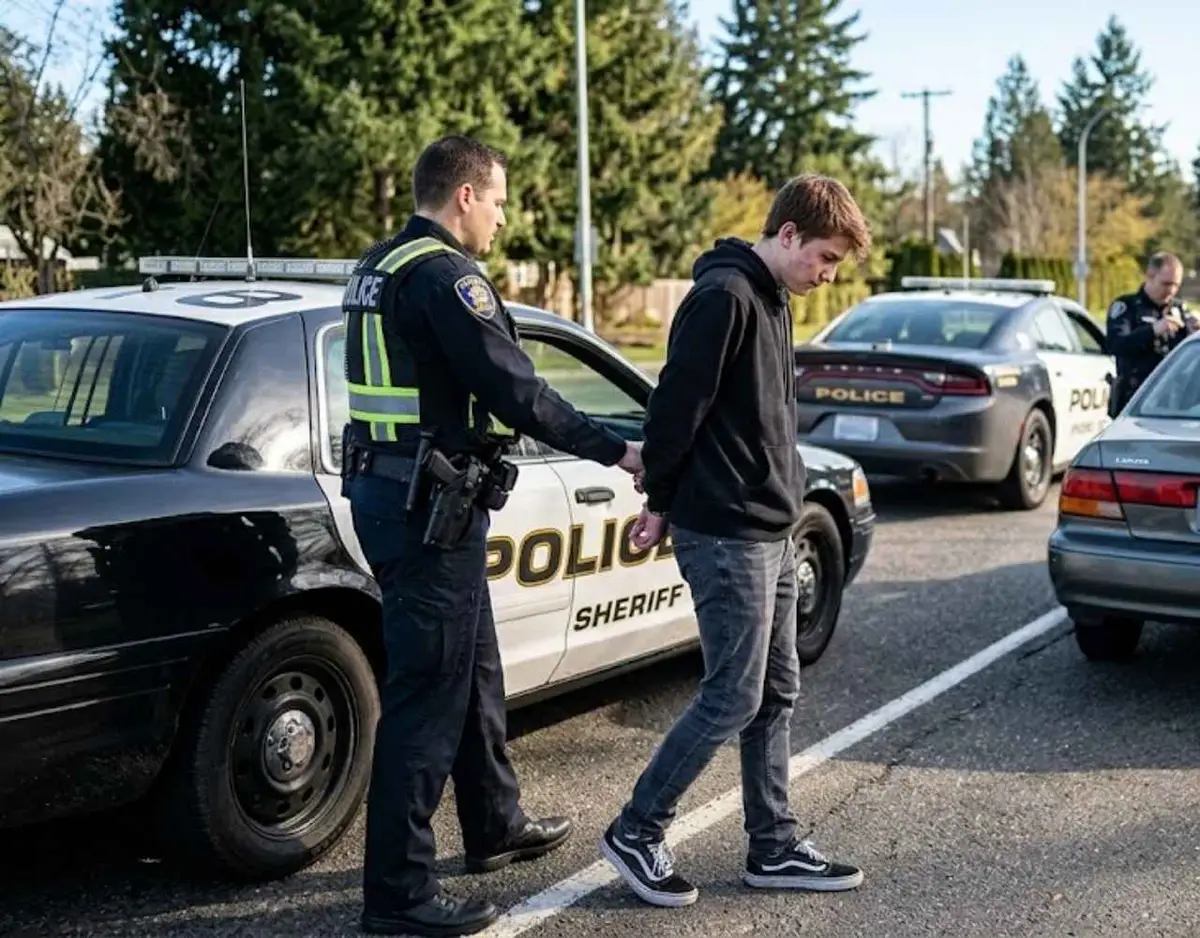
A DUI arrest carries weight at any age. For a driver under 21, it carries a second layer most adults never have to think about: Illinois’ Zero Tolerance Law. Illinois has a legal drinking age of 21. For anyone younger who gets behind the wheel, the state’s rules on drinking and driving are stricter than what applies to an adult driver.
That stricter standard means a driver under 21 can lose driving privileges over an amount of alcohol that would never trigger a suspension for an adult. It also means a single night can turn into a Zero Tolerance suspension, a full DUI charge, or both at once, depending on the numbers involved.
We built our practice on defending DUI cases in Cook County and the surrounding communities. We have watched how quickly this specific charge can escalate for a young driver and a worried family. If your son, daughter, or you personally are facing an underage DUI arrest, a free case review with our team is the fastest way to understand what you are actually facing and what comes next.

Illinois treats any detectable alcohol concentration in a driver under 21 as a violation, even far below the 0.08 blood alcohol concentration (BAC) that applies to adult drivers. This is the Zero Tolerance Law, found at 625 ILCS 5/11-501.8.
Here is the short version. Two separate things can happen, and they do not require the same amount of alcohol:
Both tracks can run at the same time. A family often does not realize that until the suspension notice and the criminal charge arrive within days of each other.
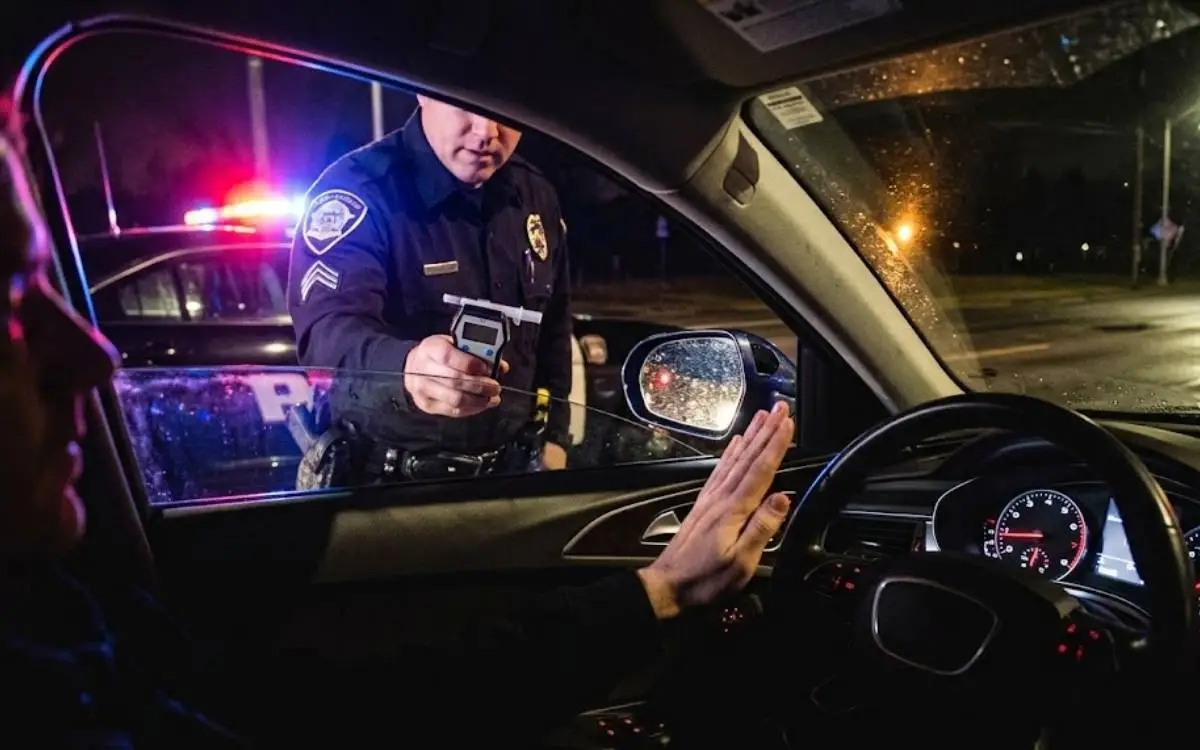
Illinois adopted implied consent laws that apply to every licensed driver. By driving on Illinois roads, you agree to submit to chemical testing if an officer has probable cause to believe you have been drinking. For drivers under 21, the Zero Tolerance Law lowers the bar even further.
Under 625 ILCS 5/11-501.8(opens in a new tab), an officer only needs probable cause that a driver under 21 has consumed any amount of alcohol. That can come from physical signs or other direct evidence, and it is enough to request a breath test, blood test, or chemical test. There is no need to prove impaired driving and no need to hit 0.08. A trace amount is enough to trigger the law.
This is what’s known as an administrative per se law. The consequence, meaning license suspension, attaches automatically based on the test result or refusal, separate from whatever happens in criminal court.
A few things that matter for parents and young drivers to understand:
The length of a Zero Tolerance suspension depends on whether the driver tested positive or refused testing, and whether it is a first or second violation.
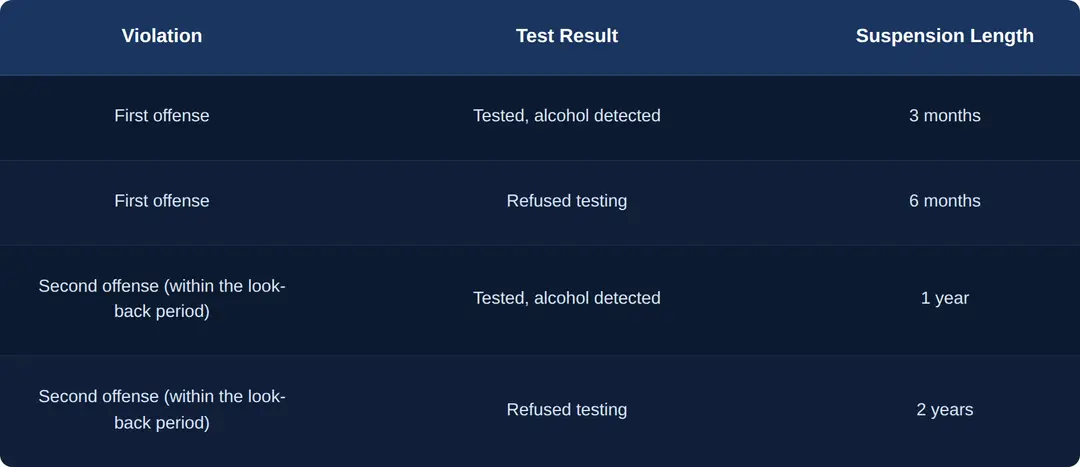
The suspension typically takes effect on the 46th day after the driver receives notice, similar to how a standard DUI summary suspension works. A driver who wants to challenge the suspension has a limited window to request a hearing, and that window starts running immediately, so acting quickly matters.
The Zero Tolerance Law covers any detectable alcohol concentration, but it is not the same as a DUI charge. Once a driver under 21 reaches a blood or breath alcohol concentration of 0.08 or higher, or shows clear signs of impaired driving, the case can change. Illinois prosecutors can then charge it as a standard DUI under 625 ILCS 5/11-501, the same statute that applies to adult drivers.
That distinction changes everything about what is at stake. A pure Zero Tolerance violation is an administrative license matter. A DUI charge is a criminal case that goes through court, and it comes with its own separate summary suspension on top of any Zero Tolerance suspension already in place.
For a first-time DUI conviction under 625 ILCS 5/11-501, Illinois classifies the offense as a Class A misdemeanor, punishable under 730 ILCS 5/5-4.5-55 by up to 364 days in jail and a fine of up to $2,500. A driver facing this for the first time should understand what a first DUI charge actually involves before deciding how to respond to it.
The criminal case also triggers its own statutory summary suspension, separate from the shorter Zero Tolerance timeline:
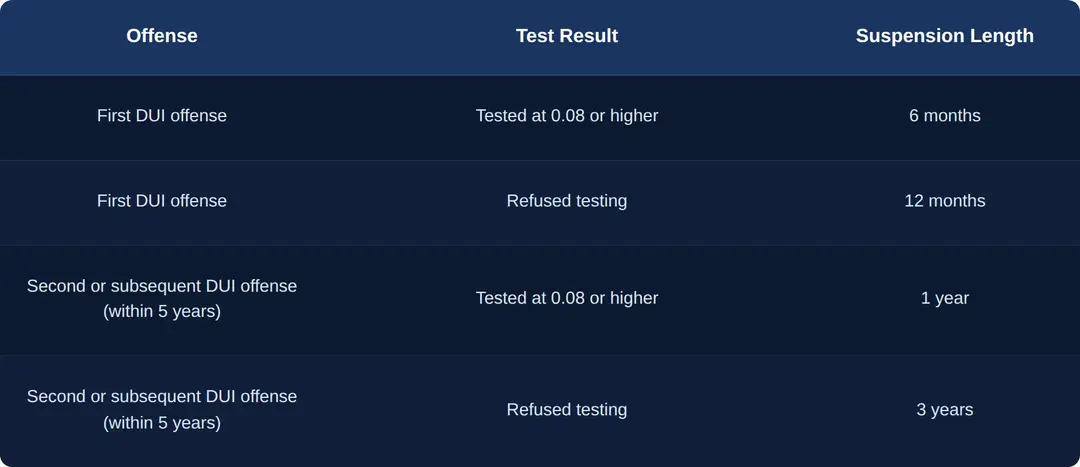
A second underage DUI conviction pushes a young driver into multiple DUI territory, where penalties, license consequences, and court scrutiny all increase.
Jail time and fines are only part of the picture. A DUI conviction, even a first one, can carry consequences that follow a young driver well past the courtroom:
None of this happens automatically or the same way in every case. The specific outcome depends on the facts, the county, and the driver’s history. An attorney can review the details and explain realistically what a specific case is likely to involve.
A single traffic stop rarely produces just one charge when alcohol and a driver under 21 are both involved. A few charges show up alongside underage DUI arrests often enough that families should know about them before they come as a surprise.
Fake IDs and false statements of age. Under 235 ILCS 5/6-16, a minor who uses a fraudulent ID, a false affidavit of age, or false identification documents to obtain alcohol commits a Class A misdemeanor, carrying a mandatory minimum fine of $500 and at least 25 hours of community service on top of any other penalty.
Illegal possession or consumption. Possessing alcoholic beverages in a public place, or simply consuming alcohol while under 21, is also a Class A misdemeanor under Illinois’ Liquor Control Act, separate from anything related to driving.
Open container violations. Illinois’ open container law, 625 ILCS 5/11-502, bars alcohol in the passenger area of a vehicle unless it is sealed. For a driver under 21, even a first violation as a passenger can result in loss of driving privileges, a consequence that does not apply the same way to an adult driver. A related traffic ticket for this kind of violation should not be treated as a minor paperwork issue.
Illegal sale or selling alcohol to a minor. This one usually lands on an adult, such as an older friend, an employer, or a business, rather than the minor. Anyone who knowingly provides or sells alcohol to a person under 21 also faces a Class A misdemeanor, and the consequences increase sharply if a crash or injury follows.
To convict a driver under 21 of a full DUI, prosecutors generally need to establish that the person was operating a motor vehicle while impaired by alcohol, or with a blood alcohol concentration at or above 0.08. That typically involves some combination of:
A charge is not the same as a conviction. Field sobriety tests can be affected by nerves, weather, footwear, or medical conditions that have nothing to do with alcohol. Breath and chemical testing equipment has to be calibrated and administered correctly, and any break in that chain can matter.
The right defense strategy depends entirely on the facts: how the stop happened, what testing was used, whether procedures were followed correctly, and what evidence the state actually has. Some of the angles worth examining in almost every underage DUI case include:
We do not promise a dismissal or a reduced charge before reviewing a case, and no attorney honestly can. What we can do is take the facts of a specific arrest and build the strongest defense those facts support.
The hours and days right after an arrest matter more than most people realize, especially with a short window to challenge a license suspension.
Underage DUI cases move through the same criminal and traffic court system as adult DUI cases, but the stakes often look different when the driver is young. Cook County courts, including the Chicago and Markham courthouses, see a steady volume of these cases. Prosecutors there are generally aware of how a young driver’s record can shape sentencing and supervision decisions.
Court proceedings for a minor can also involve additional layers. A driver under 18 may face questions about whether certain parts of the case fall under Illinois’ juvenile court system, depending on the specific charges and circumstances. That added complexity is one more reason not to navigate an underage DUI case without an attorney who works in these courts regularly.

An underage DUI arrest can feel like it threatens everything ahead of a young person: a driver’s license, a college plan, a first job. It does not have to define what comes next. Our team is built entirely by former Cook County and Will County prosecutors. We understand how these cases get built and where they can be challenged.
Every underage DUI case is different, and the right next step depends on the specific facts of the arrest, the testing involved, and the charges filed. Reserve a Priority Case Review with our team today, or call us to talk through what happened and what your options look like from here.
No. Under the Zero Tolerance Law, any detectable amount of alcohol in a driver under 21’s system can trigger a license suspension, regardless of whether they show any signs of impairment.
Yes. Illinois’ DUI laws apply based on age behind the wheel, not just adult status. A driver under 18 with a BAC of 0.08 or higher, or who shows signs of impaired driving, can still face a full DUI charge, and the case may involve additional juvenile court considerations depending on the circumstances.
A Zero Tolerance suspension is an administrative license action based on any detectable alcohol concentration, handled through a Secretary of State hearing. A DUI suspension follows a criminal charge at 0.08 BAC or higher, is heard in circuit court, and comes with its own separate criminal case and Class A misdemeanor exposure.
A DUI conviction becomes part of a public criminal record and can appear on background checks used for college admissions, financial aid, and employment, which is one reason many families move quickly to get legal representation.
Every case is different, but the combination of a fast-moving license suspension deadline, potential Class A misdemeanor exposure, and long-term record consequences makes it worth having an attorney review the facts before deciding how to respond.
Contact a DUI defense attorney as soon as possible, avoid making statements about the arrest beyond basic identifying information, and gather any paperwork the officer or Secretary of State provided, since the clock on challenging a license suspension starts immediately.