


What to Ask a DUI Lawyer?
 10/07/2026
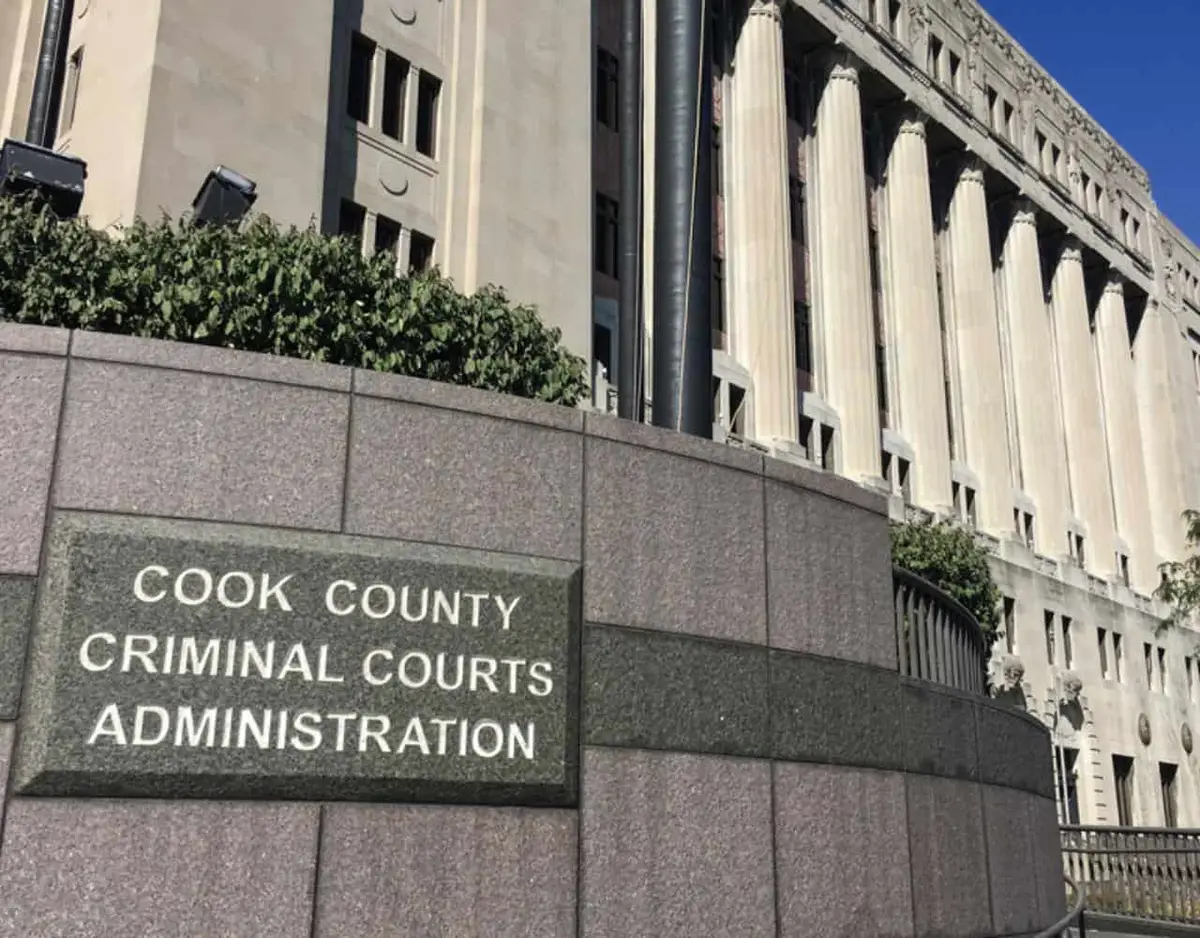
If your DUI case was just assigned to the George N. Leighton Criminal Courthouse, known as 26th and California, prosecutors likely charged it as a felony under Illinois’ aggravated DUI law. Most DUI arrests are misdemeanors. A felony charge moves your case into the Cook County criminal justice system’s criminal division instead of a traffic courtroom.
The skilled felony DUI attorneys at Chicago DUI Lawyers walk clients through the court process, court procedures, and explain what a felony DUI charge actually means before the first court date arrives.

The Leighton Criminal Courthouse, at 2600 South California Avenue, is the Circuit Court of Cook County’s main felony courthouse within the Illinois Circuit Court system. Cases that start as felonies, or get upgraded after a bond hearing, are typically transferred here for a courtroom and judge. Being assigned to 26th and California does not mean you have been convicted of anything; it means the state is treating your criminal court case as a felony rather than a misdemeanor.
A first or second DUI is usually a Class A misdemeanor (Illinois calls it DUI; other states say DWI). An aggravated DUI adds one more question: Did a specific circumstance exist that Illinois law says makes the DUI more serious? If so, the charge becomes a felony and moves out of ordinary traffic matters and into the Criminal Division.
Under 625 ILCS 5/11-501(d)(opens in a new tab), any of these can elevate a DUI to a felony:
Any single factor is enough to move a case from misdemeanor to felony court, and a case can involve more than one at once.
Related: Discuss your case with our Cook County DUI Lawyers
A felony conviction also carries mandatory license revocation and fines up to $25,000, based on the current Illinois Vehicle Code and Unified Code of Corrections. Confirm the exact classification for your case with an attorney before relying on any number here.

An aggravated DUI does not lower the state’s burden. Prosecutors still must prove you were impaired or over the legal limit, and every stop has to respect your constitutional rights. Any misstep by the law enforcement officer involved in the stop, the field sobriety tests, or the breath or blood evidence can become a central issue in the defense. Crash cases also bring in reconstruction reports and medical records.
Most Chicago felony cases do not start in this building. They begin at a neighbourhood branch court, and only move here after a preliminary hearing.
The George N. Leighton Criminal Court Building, also called the Leighton Courts, is one of the busiest criminal courthouses in the country, hearing jury trials for everything from felony DUI to armed robbery, criminal sexual assault, and aggravated DUI murder. It houses both the Criminal Division and the Pretrial Division, plus the attached Criminal Court Administration Building, which shares the same security screening. Expect to show a jury summons or photo ID to a Sheriff’s Deputy at the door.
The Criminal Division also handles felony trial cases, habeas corpus petitions, post-conviction relief, notice of appeals, identity theft cases, and expungement petitions under the Criminal Identification Act, well beyond DUI alone. Not every serious Cook County matter lands here, either; domestic violence cases go to the separate domestic violence courthouse. Many felony cases first pass through a branch courthouse before formal assignment to 26th and California.
If your arrest happened in one of Cook County’s suburban districts rather than Chicago itself, your case may stay local instead. South suburban communities like Homewood, for example, fall under the Sixth Municipal District at the Markham Courthouse, which is why we confirm exactly where an arrest happened before saying how a case will likely proceed.
Learn more: Our Cook County court districts page breaks down which branch handles what.
None of this replaces a Chicago criminal defense attorney reviewing your specific case, but knowing how court administration and the clerk’s office work helps.
Your first court appearance runs through the Pretrial Division and covers procedural matters: bond conditions, detention hearings, and scheduling. Release conditions are usually documented in an Order Conditions of Pretrial Release, which can include check-ins with Pretrial Services, travel limits, or electronic monitoring. This is also when prosecutors start turning over evidence: police reports, video, and test results.
A felony case can take months to move through motions and negotiation. Missing a court date, even by accident, can trigger a warrant for your arrest and bond forfeiture, so following the judge’s court orders matters as much as the case itself.
Being charged does not decide the outcome. You keep your full constitutional rights throughout, and a defense can challenge the legality of the stop, how field sobriety tests were administered, how breath or blood evidence was handled, or whether the aggravating factor can even be proven.
While the case is pending: avoid discussing the facts with anyone but your attorney, write down the arrest timeline while it is fresh, preserve witness contact information, confirm every court date and pretrial release condition in writing, and register for the Court Reminder System as a backup.
Did you know? Chicago DUI Lawyers offers free consultations. Contact us today!
Every felony case raises its own legal & procedural questions, and a short legal consult early on can answer most of them before they become bigger problems. Our attorneys spent years as prosecutors inside the Cook County court system, including Assistant State’s Attorney roles in Chicago and Markham.
That background means we know how the state builds a case here. We are licensed attorneys who built this firm around Cook County felony experience, not a general practice handling DUI on the side. Call (312) 800-1626 for a free case review.