



What to Ask a DUI Lawyer?
 10/07/2026
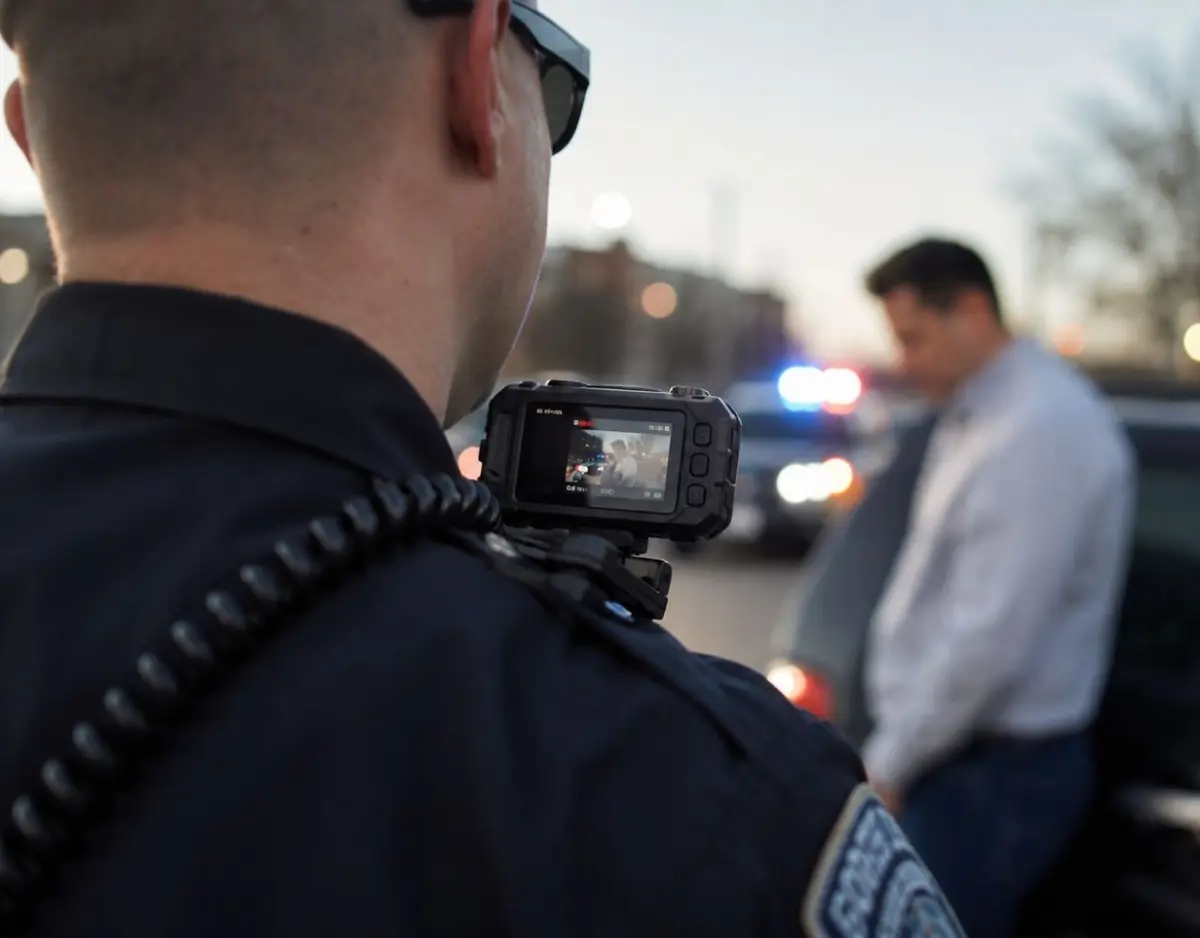
A DUI arrest in Chicago almost always produces two competing versions of the same night. One is the police report, written by the arresting officer hours or even days after the stop. The other is the body-worn camera footage, along with any in-car camera recordings, capturing the stop as it actually happened.
These two records do not always agree. When they do not, the gap between them can shape the entire direction of a DUI case, from what a prosecutor is willing to offer to what a judge is willing to consider at a pretrial motion.
If you were arrested for DUI in Chicago and something about the stop does not sit right with you, do not wait to find out what the footage actually shows. Contact Chicago DUI Lawyers for a free case review before your next court date.
A police report is a summary written from memory and notes. It reflects what an officer believed happened and, often, what the officer needs the report to say to justify the stop, the arrest, and any Class A misdemeanor DUI charge that follows.
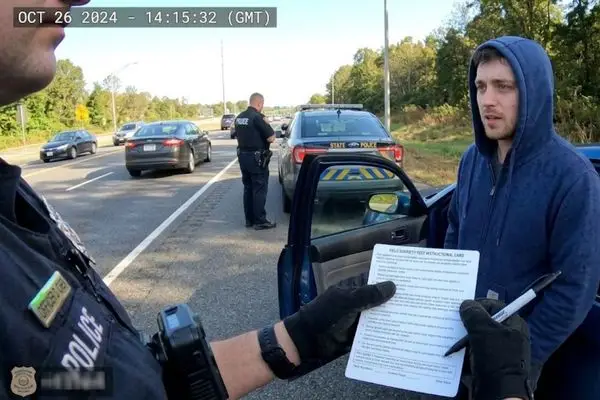
Body-worn camera footage and dash cam video are different. They record the stop in real time: the officer’s tone, the driver’s actual words, the road and weather conditions, and how the field sobriety tests were actually administered.
When the two do not line up, the footage generally carries more weight. A judge, a prosecutor, and eventually a jury can watch the video and compare it directly to what the report claims. A written description of “obvious signs of impairment” means far less once the video is sitting in front of everyone in the courtroom.
A DUI report from the Chicago Police Department typically includes the officer’s stated reason for the traffic stop, observations about the driver’s speech and coordination, a description of the field sobriety testing, and any statements attributed to the driver.
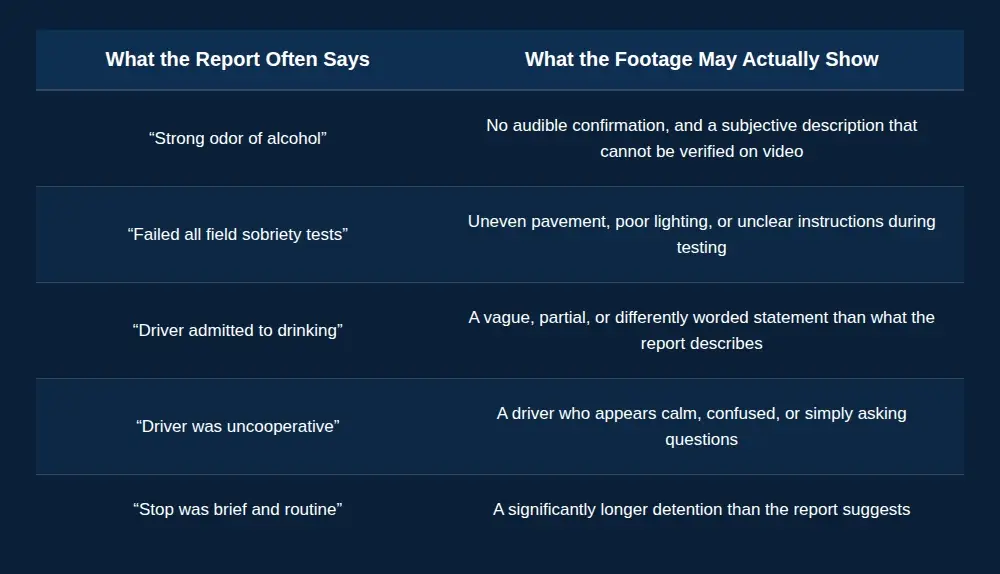
The report is written to support the officer’s decision to arrest. That does not make it dishonest, but the language tends to favor the officer’s account. Phrases like “strong odor of alcohol” or “failed all field sobriety tests” are common, even when the video shows a more mixed picture.
Body-worn camera footage shows the encounter from the officer’s chest or shoulder. In-car camera recordings, often still called a dash cam, capture the stop from the vehicle itself, including the initial approach and anything visible through the windshield.
Together, this footage can show things a report leaves out:
None of this guarantees a particular outcome. But it gives a defense attorney something concrete to compare against the written narrative.
Two different legal standards apply during a DUI stop, and footage often becomes the evidence that decides whether either one was met.
Body cam and dash cam footage can support either standard or undercut it. A driving pattern that does not match the report, or field sobriety testing administered incorrectly, can call the entire stop into question.
These are the kinds of discrepancies that show up often in Chicago DUI cases. Not every case has all of these, and finding one does not decide a case on its own, but each is worth a close look.
Illinois law now requires body-worn cameras statewide. Under the Law Enforcement Officer-Worn Body Camera Act (50 ILCS 706)(opens in a new tab), agencies serving the largest populations, including the Chicago Police Department, were required to deploy body cameras by January 1, 2022. Every remaining agency in Illinois was required to comply by January 1, 2025. That means almost every Chicago DUI arrest today has body-worn camera footage attached to it.
The law also sets retention rules that work in a driver’s favor:
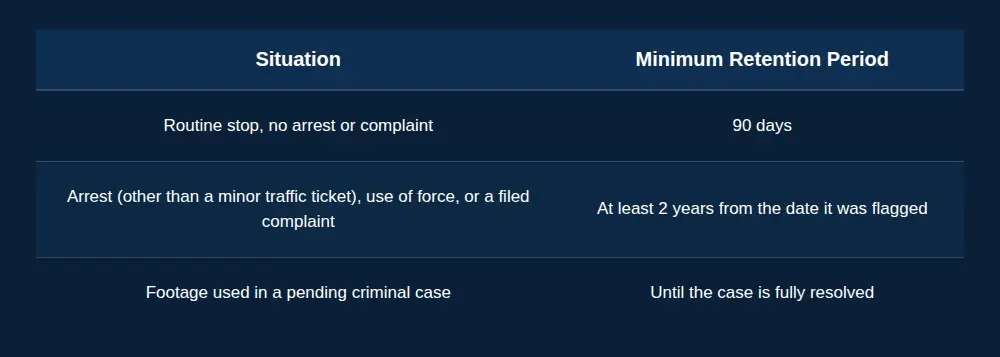
Because a DUI arrest is not treated as a minor traffic ticket, the footage from your stop should already be flagged for extended retention. That gives your attorney time to request and review it well before trial.
Illinois law allows a defendant to file a motion to suppress evidence under 725 ILCS 5/114-12 when a search, a stop, or an arrest was carried out illegally. Body cam and dash cam footage are often the strongest evidence available to support that kind of motion.
Chicago DUI attorneys typically request the footage early, then compare it against the police report line by line. A few gaps show up often enough to form the basis of a pretrial motion:
This does not guarantee suppression or a reduced charge. It gives the defense a factual record to work from instead of relying on the report alone.
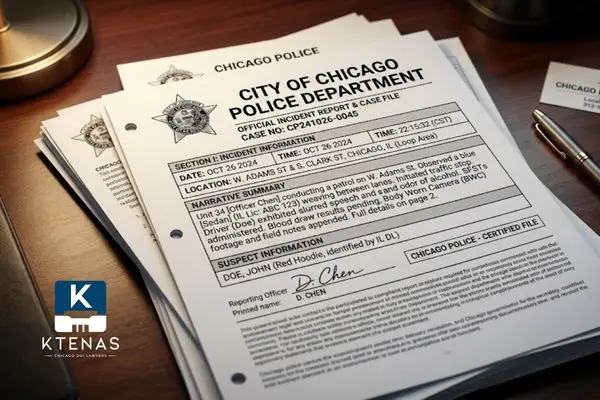
If you were arrested and believe the officer’s account does not reflect what actually happened, a few steps matter early on.
Chicago DUI arrests move through different courthouses depending on where the stop happened and how the case is charged. Misdemeanor DUI cases are typically handled in Chicago’s traffic and misdemeanor courts. Felony-level charges, such as aggravated DUI, are handled at the Leighton Criminal Court Building at 26th and California or, for cases arising in the south suburbs, the Markham courthouse.
The court and prosecutor’s office involved can affect how quickly footage gets reviewed and how pretrial motions get scheduled, which is one reason to start that review early.
Body cam footage and dash cam recordings are powerful tools, but they are one piece of a larger defense, not a shortcut to a particular result. The strength of a case still depends on the specific facts, the exact charge, and how the evidence holds up once it is all reviewed together.
Our team built Chicago DUI Lawyers around former prosecutors who know how these reports get written and how these cases get charged in Cook County courts. That background shapes how we compare footage against a report, line by line, looking for the gaps that matter.
If you are facing a Chicago DUI arrest and want a clear read on what your footage actually shows, reserve a priority case review with our office today.
Almost all of them do. The Chicago Police Department had to deploy body-worn cameras by January 1, 2022 under Illinois’ Law Enforcement Officer-Worn Body Camera Act, so most stops since then are recorded on body cam, in-car camera, or both.
Footage alone does not dismiss a charge. It can support a motion to suppress if it shows the stop or arrest did not meet the required legal standard, but the outcome always depends on the specific facts.
The standard minimum is 90 days. Footage tied to an arrest other than a minor traffic ticket, a use of force, or a complaint must be kept for at least 2 years, longer if it becomes part of a pending case.
That gap is worth a close attorney review. Field sobriety testing depends heavily on lighting, road surface, and how instructions were given, all of which video can show in ways a written report cannot.
It is better to let an attorney request and preserve it as part of the case file. Attorneys know to request body-worn camera and in-car camera recordings together with the report, and which deadlines apply.