


If I Don't Take a Breathalyzer, Won't My License Be Suspended?
 10/15/2026

A DUI charge in Illinois carries consequences that go far beyond the courtroom, and yes, some DUI charges can be reduced to reckless driving through negotiation with the state’s attorney’s office. This is not automatic, and it depends on the strength of the evidence, whether anyone was hurt, and your driving record. A reduction can help you avoid a DUI conviction and the license revocation that comes with it, but it comes with its own tradeoffs, which we explain below.
At Chicago DUI Lawyers, our team includes three former state’s attorneys who spent years prosecuting DUI and criminal cases in Cook County and Will County courts. We know how a state’s attorney evaluates a DUI charge, what makes a case for a reduction stronger or weaker, and what you gain and give up by accepting one.
If you were arrested for DUI anywhere in Illinois, do not wait to get answers. Call (312) 800-1626 or request a Free Case Review to talk through what a reduction could realistically mean in your case.

People sometimes call this a “wet reckless,” a term borrowed from how other states describe the practice. Illinois courts do not use that label officially, so you will not see it on your paperwork. What is really happening is a plea negotiation. The state’s attorney agrees to dismiss the DUI charge in exchange for a guilty plea or a stipulation to the facts, on a reckless driving charge under the Illinois Vehicle Code.
Here is what is easy to miss: reckless driving and a first-offense DUI are both Class A misdemeanors under Illinois law. So the reduction is not really about facing a lesser criminal classification. It is about avoiding what comes with a DUI conviction, specifically, most importantly, the mandatory revocation of your driver’s license by the Secretary of State.
A DUI conviction:
A reckless driving conviction:
A reduction to reckless driving is not free. Under Illinois law, if your DUI is resolved through a plea agreement that results in a reckless driving conviction, you generally become ineligible for court supervision on any DUI charge you face in the future. Court supervision is what allows a first-time DUI offender to avoid a conviction and keep their driving privileges intact.
Give that up now, and a future DUI charge could mean a mandatory conviction instead of supervision, even if it would otherwise be your first DUI conviction. This is exactly the kind of decision that needs a full look at your driving history and your long-term risk, not just the charge sitting in front of you today.

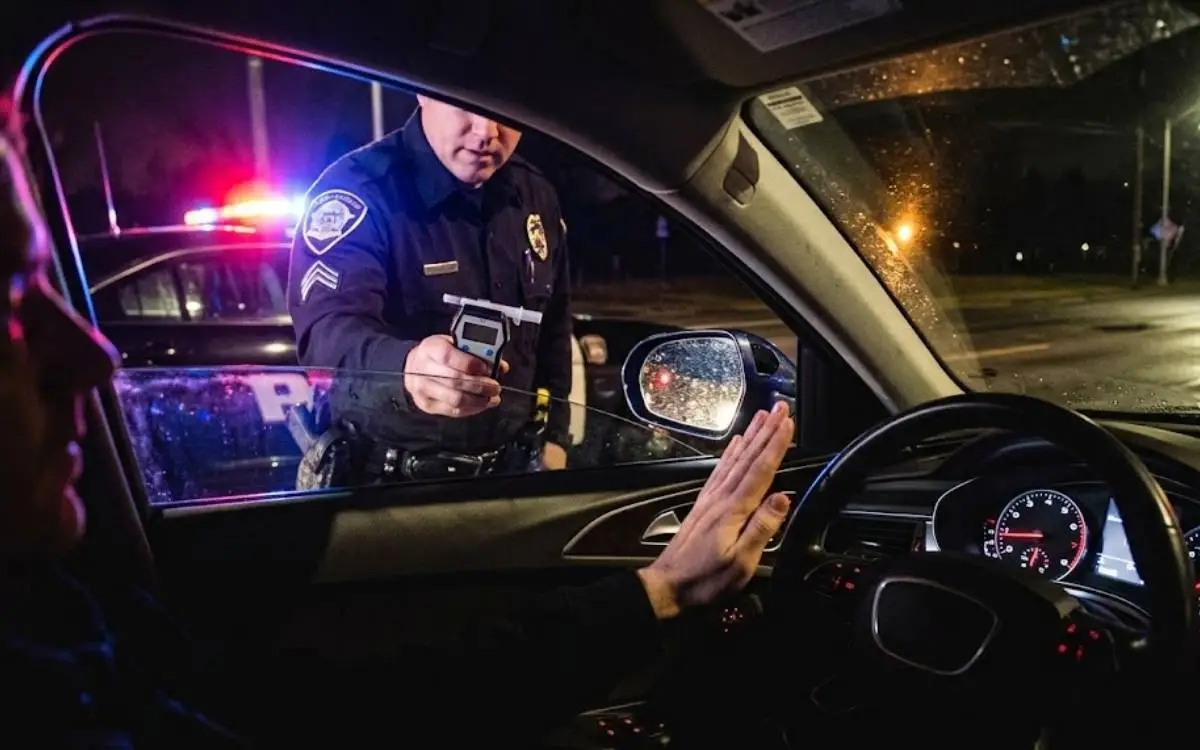
Whether your case ends in a DUI conviction, a reckless driving reduction, or a dismissal, the statutory summary suspension tied to your arrest moves on its own separate timeline. This suspension is a civil, administrative process run by the Secretary of State, not the criminal court, and it is triggered by failing or refusing chemical testing at the time of your arrest.
None of this depends on how your criminal case turns out. Even a favorable reduction to reckless driving will not undo a summary suspension that was never challenged.
No formula guarantees a DUI will be reduced to reckless driving. Every case is different, and a state’s attorney weighs the facts individually. Factors that tend to make a reduction more realistic, particularly for a first-time DUI, include:
Cases involving an accident that causes injury may instead lead to a charge of aggravated reckless driving, a separate felony offense. Repeat offenders, CDL holders, and cases charged as felony DUI face a much tougher road to any reduction, and a fatality is typically charged as reckless homicide, a separate and far more serious offense entirely.
Our team is built differently from most criminal defense attorneys you will find. Alex Ktenas, Nick Ktenas, and Lauren Ktenas are all former state’s attorneys who prosecuted DUI and criminal cases in Cook County and Will County courts before representing people accused of these same charges. That background means we understand how the state builds a DUI case, what evidence actually holds up, and where the weaknesses usually sit.
We review your arrest report, your chemical testing and calibration records, and the officer’s own body cam footage before we ever discuss a possible reduction with the state’s attorney. In some cases, a motion to suppress evidence or a challenge to probable cause puts you in a stronger position than a reduction would. We walk you through every realistic option, not just the first one offered.

A DUI charge does not have to define what happens next, but the choices you make in the first few days after your arrest matter. If you are trying to understand whether a reduction to reckless driving is realistic in your situation, our former prosecutors can review your arrest and walk through your options. Call (312) 800-1626 or reserve your Free Case Review today.
No. A reduction depends on the evidence, whether anyone was hurt, and your driving record. State’s attorneys evaluate every DUI charge individually, and a reduction is never guaranteed.
Yes. A reckless driving conviction is still a criminal conviction and a Class A misdemeanor. It replaces the DUI on your record, but it is not the same as having the case dismissed outright.
Not automatically. The statutory summary suspension tied to your arrest runs on its own timeline and has to be challenged separately through a petition to rescind.
In most cases, you become ineligible for court supervision if you are ever charged with DUI again. That is an important long-term tradeoff to weigh with an attorney before you decide.